
Category guide
Starter
recipes.
Starters (or appetisers, antipasti, mezze, hors d'oeuvres — every cuisine has its name for the same idea) are the cook's invitation to the table. The job is to wake up the palate without filling it: salt, acid, and texture in small portions. A good starter doesn't compete with the main; it complements it. A salty cured fish before a rich braise; a crisp salad before a heavier roast; a clear broth before a creamy main. The classics are mostly small, mostly cold or warm rather than hot, and built around three or four ingredients that don't need to do much.
Editorial guide reviewed
Starter recipes
14 dishes to cook from
How to cook in this category
Three pillars to anchor what you cook.
Cold starters: salads, crudités, cured plates
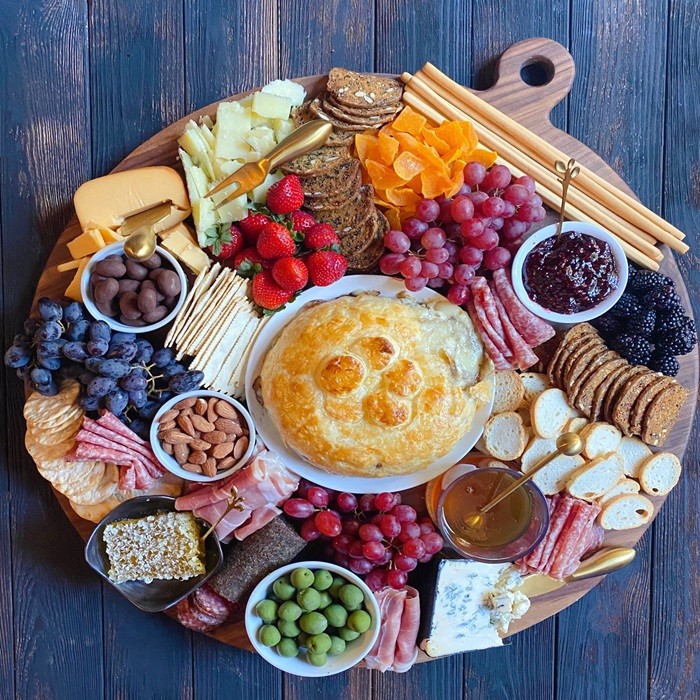
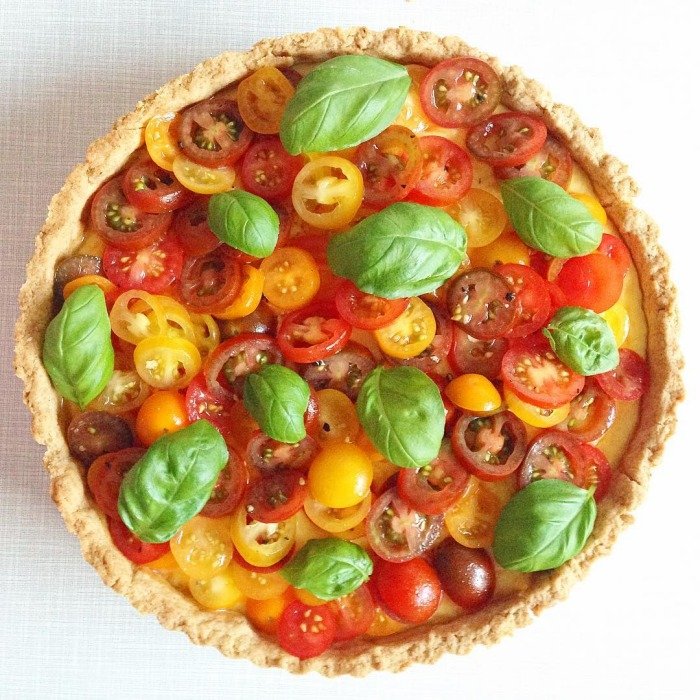
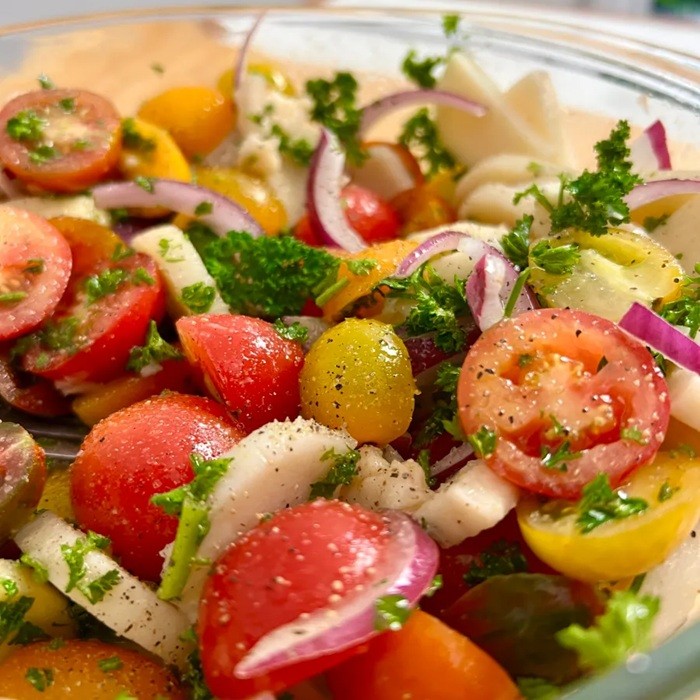
Carpaccio (raw beef, lemon, parmesan, capers); tartare (chopped raw beef or fish, capers, mustard, egg yolk); insalata caprese (tomato, mozzarella, basil); Spanish jamón with melon; cured salmon with crème fraîche and dill. The salt and acid wake the palate; the meal proper does the rest.
Hot small bites: bruschetta, croquettes, fried things
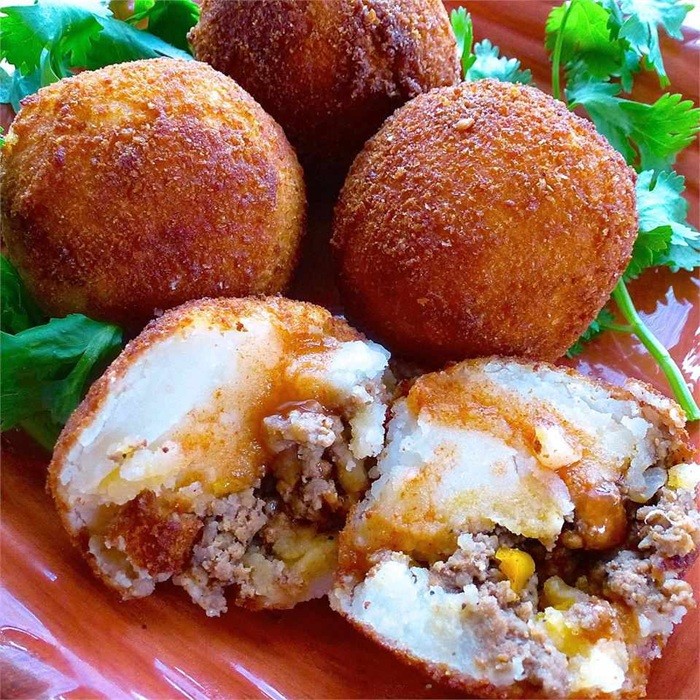
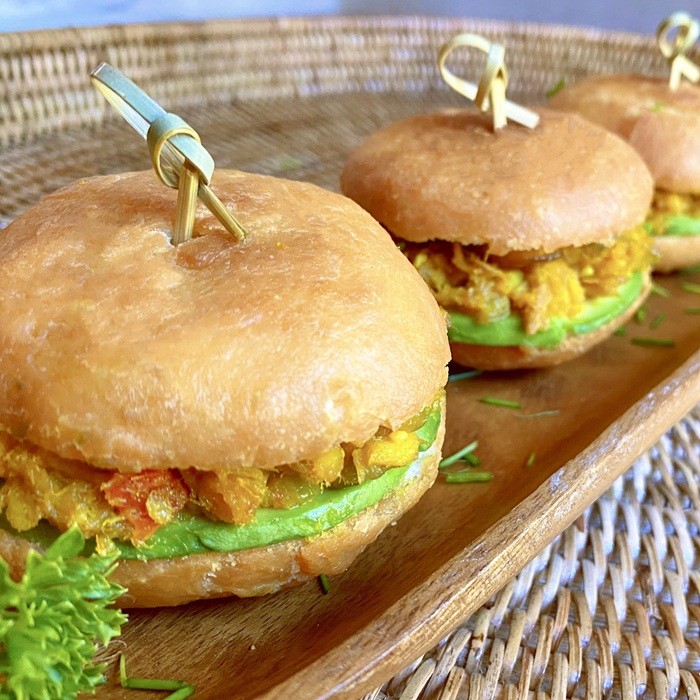
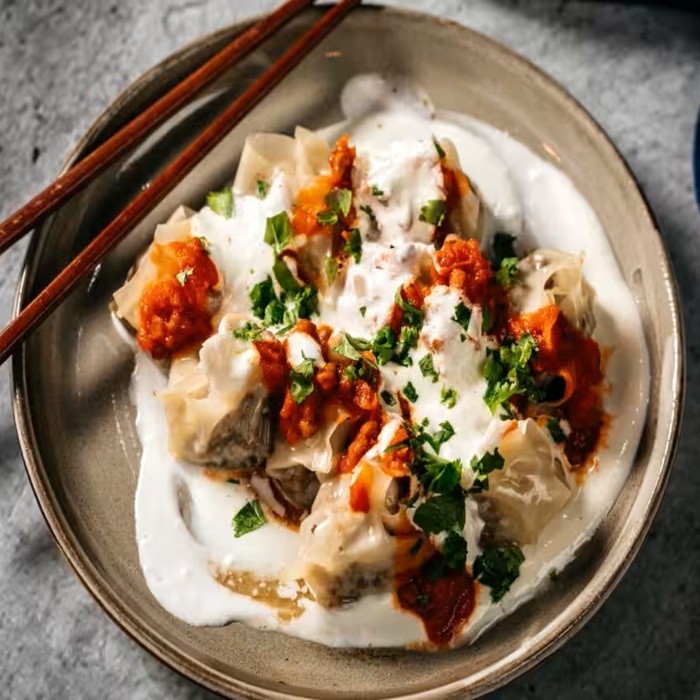
Bruschetta with tomato or chicken liver; arancini; potato croquettes; gambas al ajillo; tempura; gyoza; samosas. Small, hot, slightly indulgent — eat one or two before the main, not a plate of six.
Soup as a starter
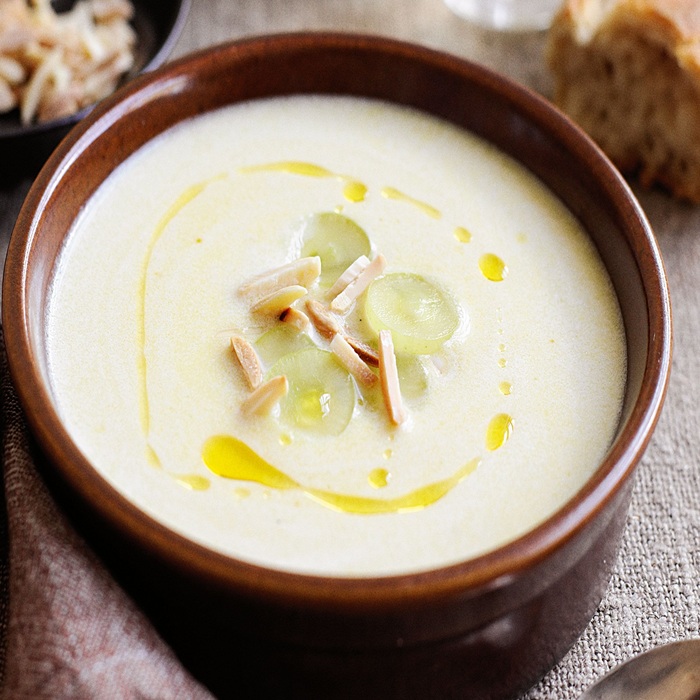
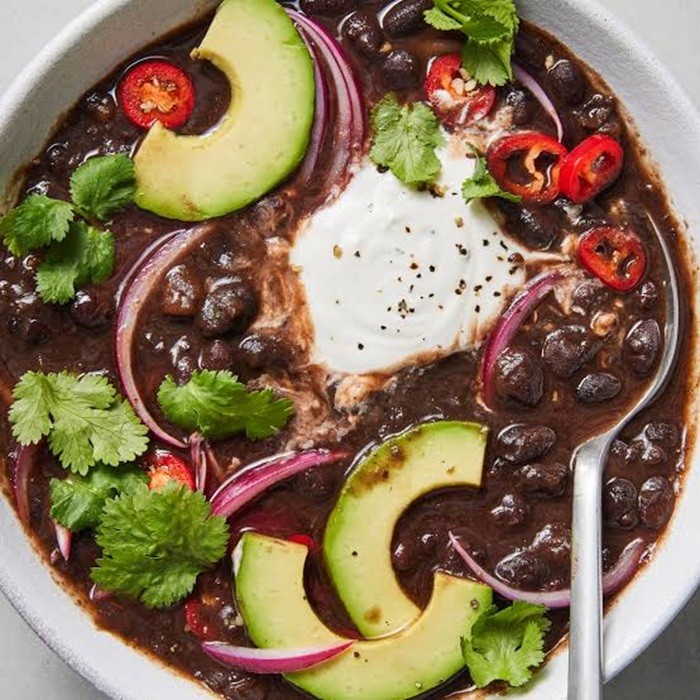
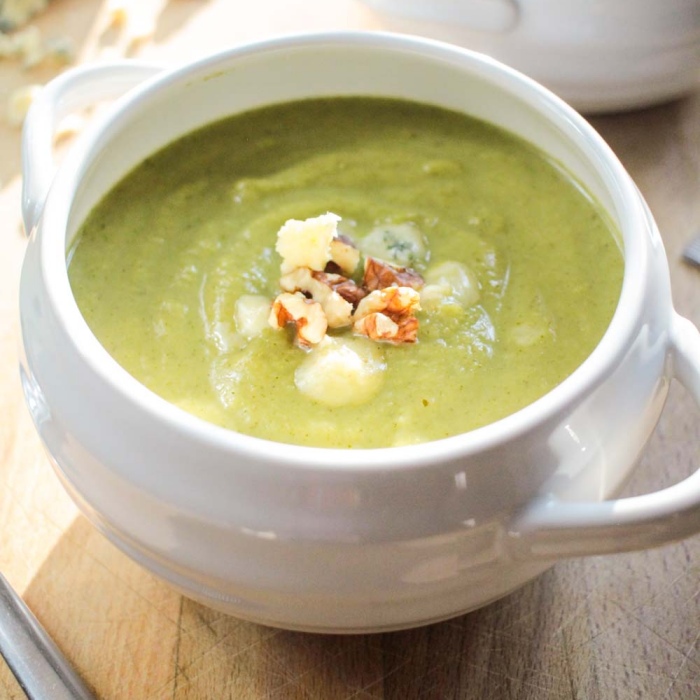
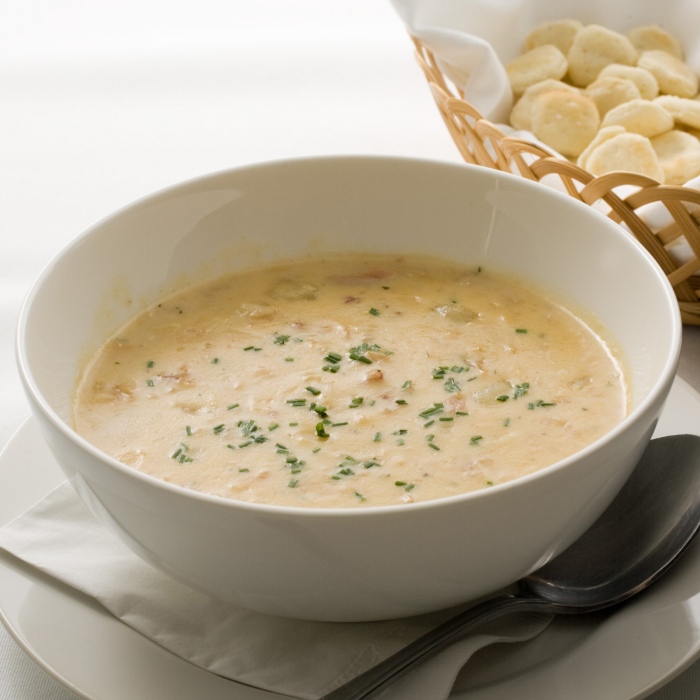
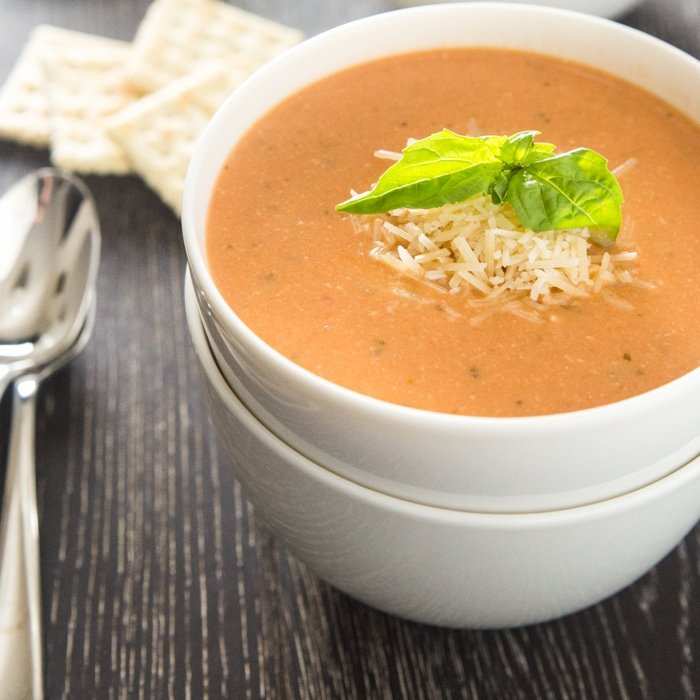
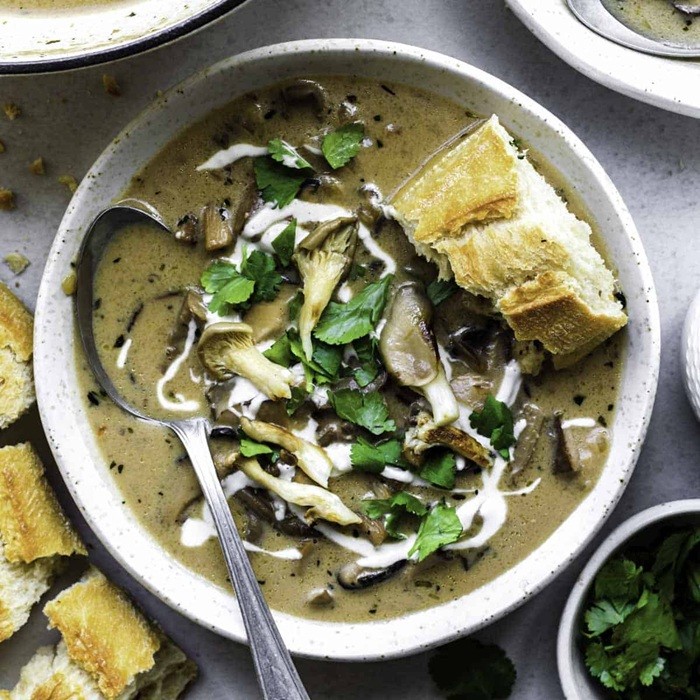
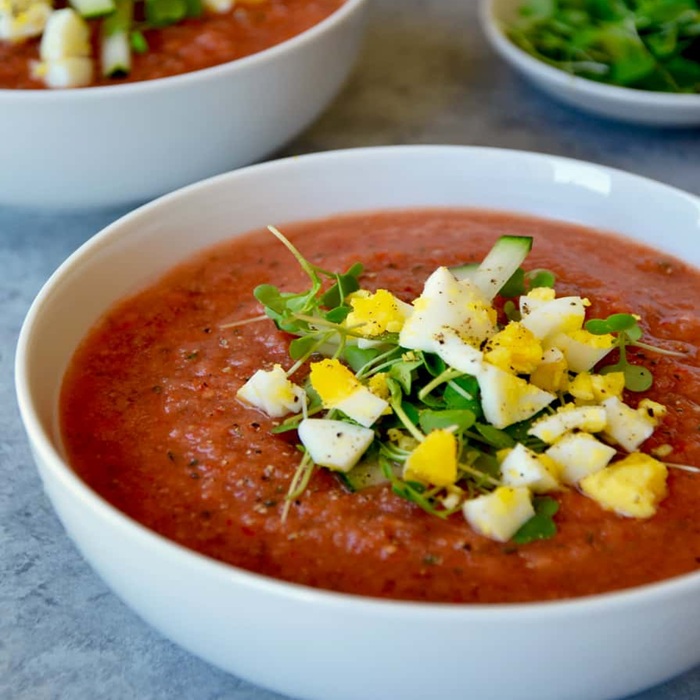
A small bowl of clear broth — French onion in winter, gazpacho in summer, chicken-and-rice avgolemono, miso. The portion is half what you'd eat as a main; the goal is to warm or cool the diner, not feed them.
Pantry staples
What to keep on hand.
Good olive oil, lemons, vinegar (sherry, white wine), capers, olives, anchovies, cured meats, good cheese, parsley, basil, dill, chives, eggs, bread for crostini, white wine, mustard, yoghurt and crème fraîche, smoked salmon, prosciutto, jamón.
You don't need everything at once. Build the pantry as recipes call for it; most of these are shelf-stable and useful across many dishes.
Core techniques
A few moves to learn well.
- Plating starters small and individual rather than large and shared (when possible)
- Dressing salads à la minute, never sitting them in dressing
- Seasoning carpaccio and tartare just before serving so the meat doesn't cure on the plate
- Frying things at the right oil temperature (170–180 °C / 340–360 °F) — too cold and they soak grease