
For cooks who care about the details
Scale any recipe,
perfectly.
A quiet kitchen companion that resizes recipes with proper culinary fractions, gives you every kitchen converter you need, and surfaces a worldwide pantry of cooked-and-tested dishes.
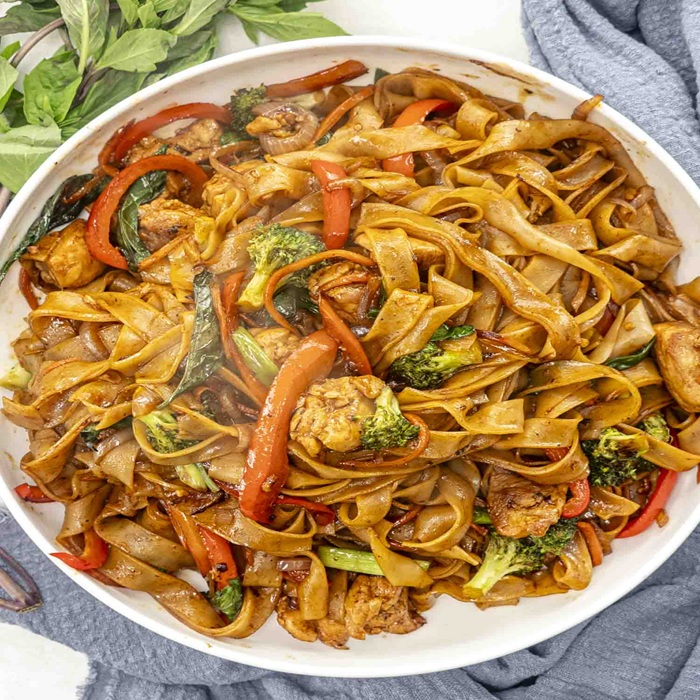 Recipe of the day
Thai · Beef
Drunken noodles (pad kee mao)
A new dish each day, drawn deterministically from TheMealDB — same recipe for every visitor on the same date, a different one tomorrow. Open it to scale, save, or step through it in our hands-free Cook Mode with timers and translations.
Three tools, one kitchen
Built for the way real cooks actually work.
ScaleRecipe is three things in one place: a smart recipe scaler that handles fractions and unit promotion the way a kitchen actually wants them, a complete toolkit of calibrated converters, and a curated browser of dishes from kitchens around the world. Pick where to start — they all speak the same language.
The scaler
Resize any recipe
Paste an ingredient list — or a URL from any food blog — and watch the math rewrite itself with proper culinary fractions and smart unit promotion.
Open the scalerThe toolkit
Every kitchen converter
Volume, weight, temperature, pan size, cooking time, and ingredient-aware weight ↔ volume — each as a focused tool with a guide of its own.
See all convertersThe pantry
A worldwide cookbook
Search thousands of recipes from TheMealDB. Save them, send them to the scaler, step through them in Cook Mode, and listen with built-in audio.
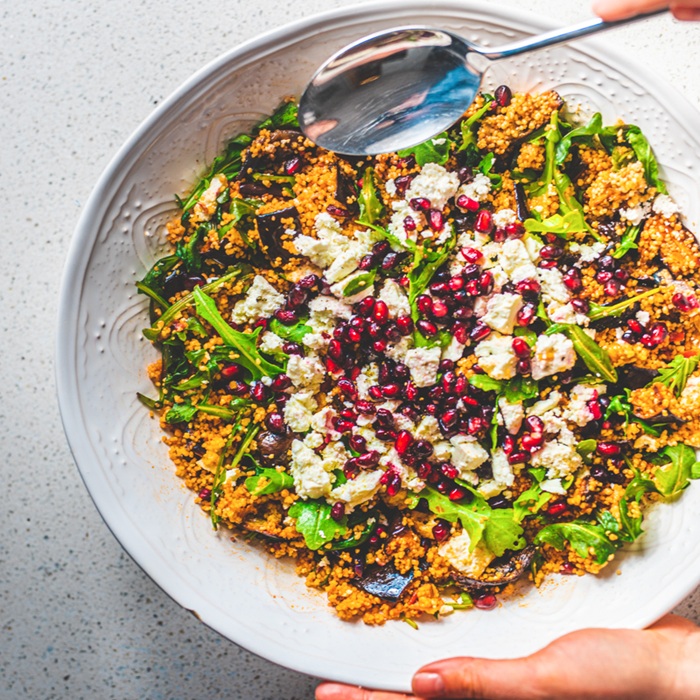
Browse recipesPlant-forward tonight
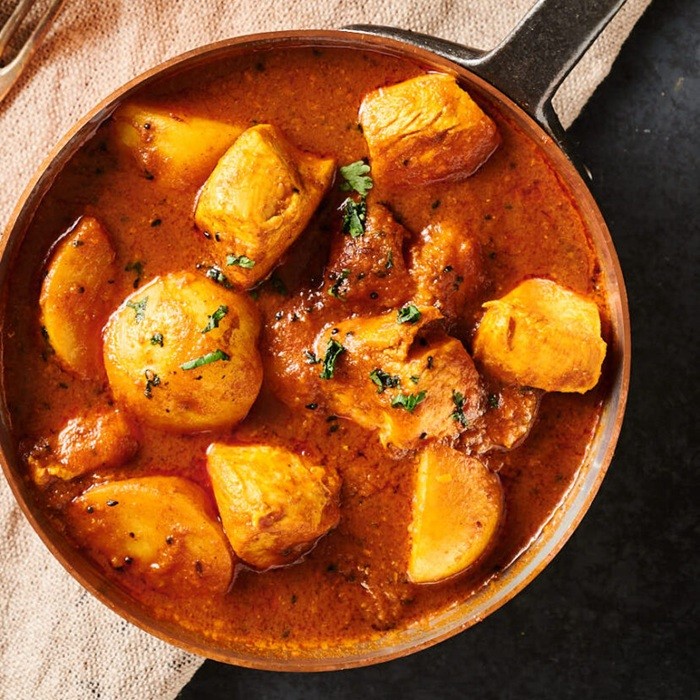
Vegetarian dinners that earn their place
Punchy pastas, hearty curries, baked-vegetable mains — meatless meals that don't read like sacrifice. Every dish is fully scalable from the table you have to the table you want.


Reliable weeknight wins
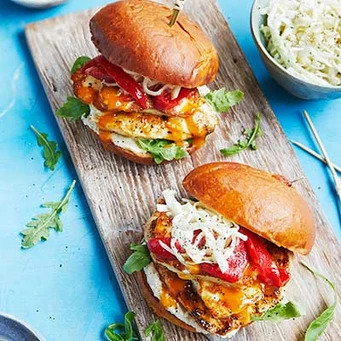
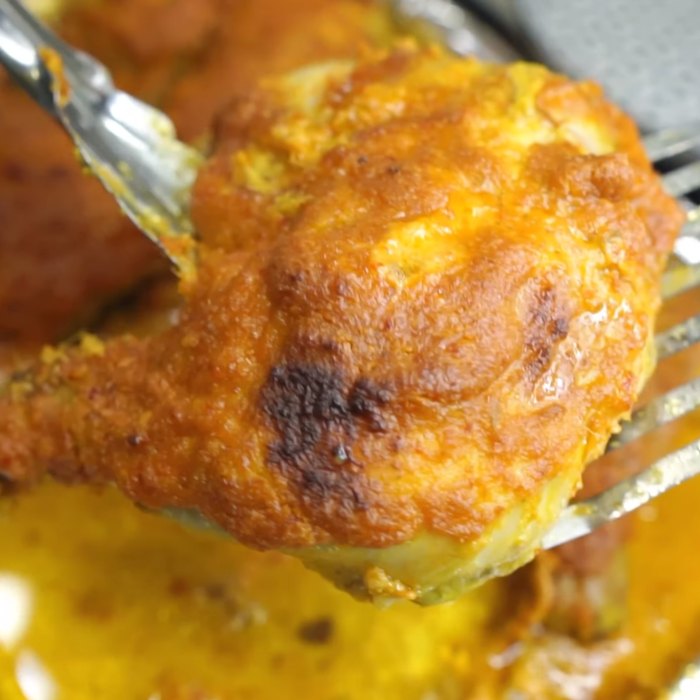
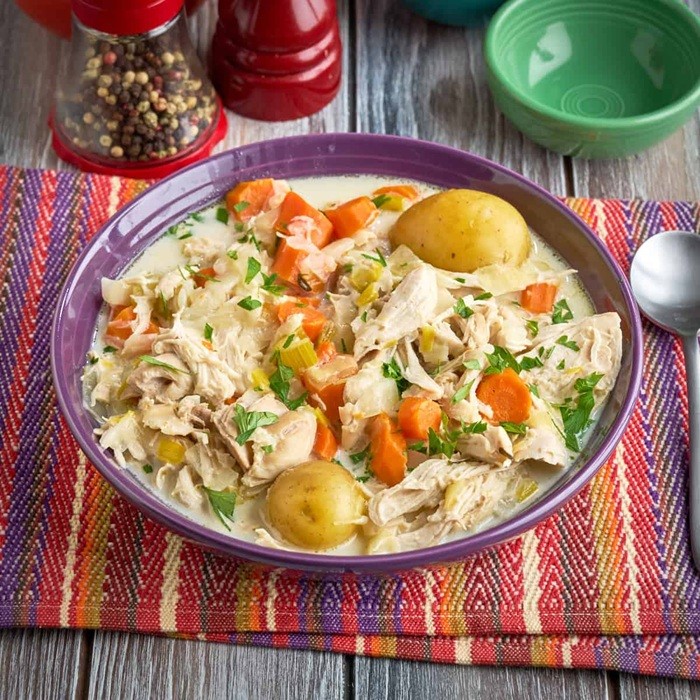
Chicken classics worth the rotation
The dishes that actually earn their place in the weeknight rotation: simple seasonings, predictable timing, and ingredient lists you can pronounce. Open any of them in Cook Mode and step through with timers running.
A worldwide pantry
Each cuisine, properly introduced.
Every cuisine page is a real essay — pillars, pantry staples, and the techniques that anchor the cuisine — paired with a curated grid of recipes from that tradition. No algorithms, no clickbait. Just food culture, written carefully.
Italian
Italian
Cuisine of restraint, regionality, and very good ingredients.
Open guideIndian
Indian
A subcontinent of cuisines, layered with spice and very old technique.
Open guideFrench
French
The grammar most modern professional kitchens still speak.
Open guideJapanese
Japanese
A cuisine of seasonality, restraint, and the dignity of a single ingredient.
Open guideMexican
Mexican
Pre-Columbian, colonial, and modern layers stacked on one plate.
Open guideThai
Thai
Salt, sweet, sour, hot, bitter — balanced in a single bite.
Open guideChinese
Chinese
Eight regional cuisines, one of the oldest cooking traditions on earth.
Open guideAmerican
American
Immigrant cuisines compounded into something the rest of the world now recognises.
Open guideBritish
British
A cuisine quietly remade — and much better than its reputation suggests.
Open guideSpanish
Spanish
Olive oil, paprika, jamón — and the most varied regional cuisine in Western Europe.
Open guideGreek
Greek
The Mediterranean diet's actual home — olive oil, lemon, herbs, fish, lamb.
Open guideTurkish
Turkish
The crossroads of Mediterranean, Middle Eastern, and Central Asian cuisines.
Open guideVietnamese
Vietnamese
Bright, herbal, balanced — a cuisine of fresh produce and clear flavours.
Open guideMoroccan
Moroccan
Tagines, preserved lemons, and the long crossroads of Berber, Arab, and Andalusian cooking.
Open guideJamaican
Jamaican
Caribbean fire — jerk, escovitch, ackee, and the African-Indian-Spanish-British inheritance.
Open guideAfghan
Afghan
A crossroads cuisine — Persian, Indian, and Central Asian on a single plate.
Open guideFor when the meal needs an ending
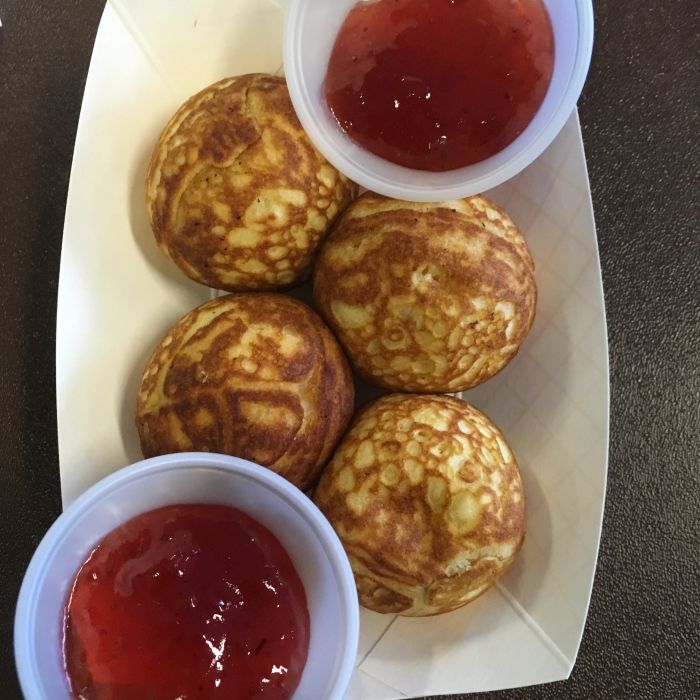
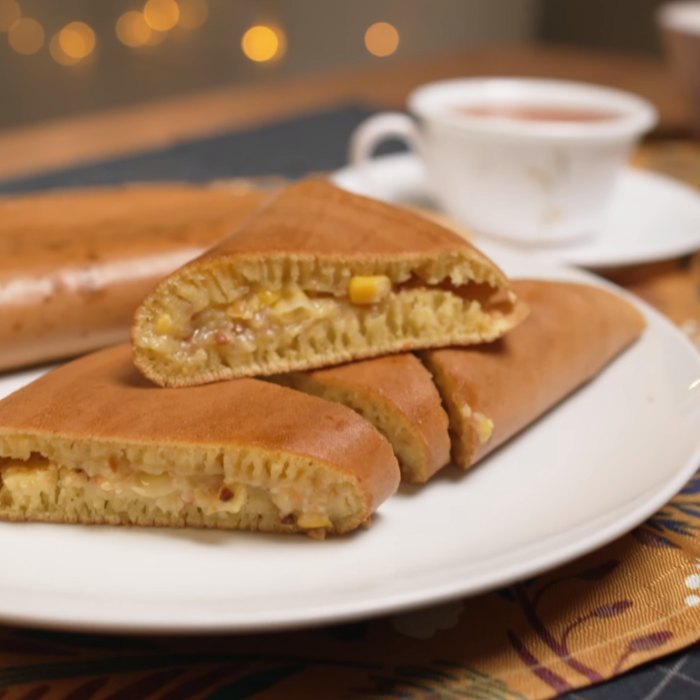
Sweet endings, scaled with precision
Cakes, tarts, pastries, custards. Baking is the place scaling matters most — small mismatches in flour or sugar can change everything — so we lean into proper fractions and weight-based conversions wherever the recipe allows.

From the coast
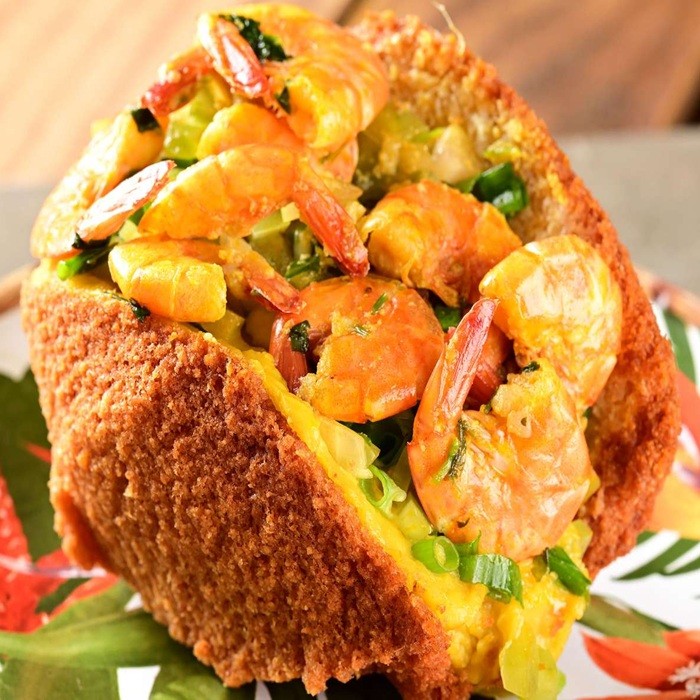
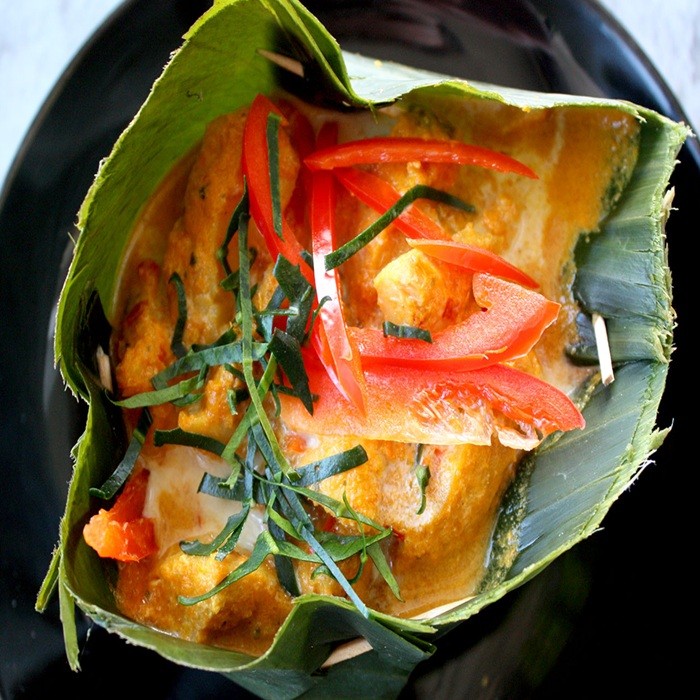
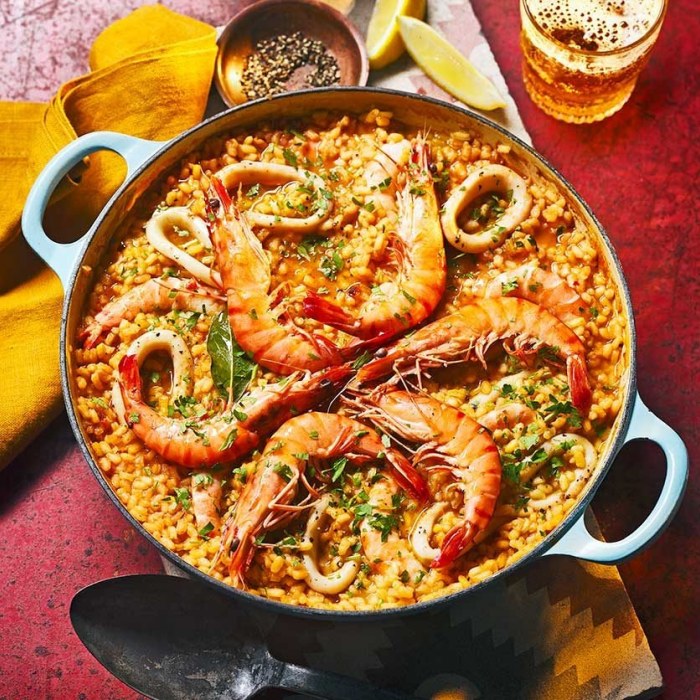
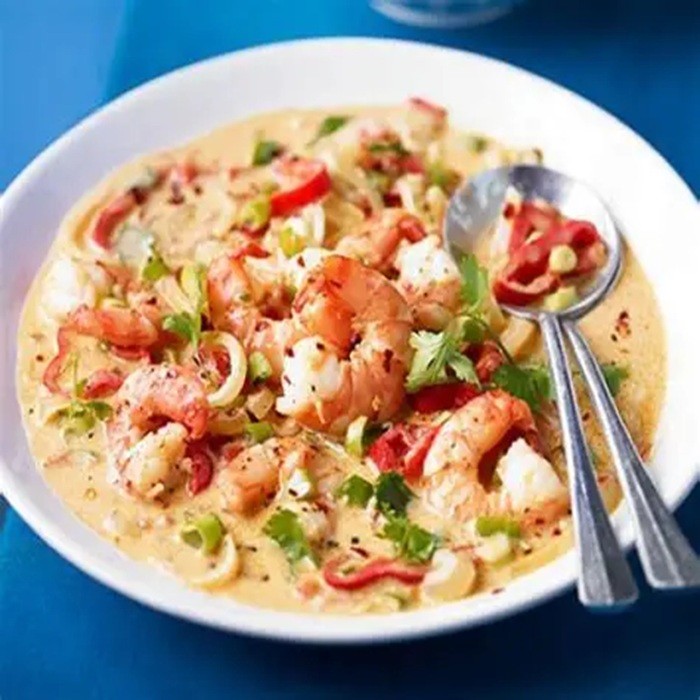
Seafood, on the day you cook it
Quick-roasted whole fish, sheet-pan shrimp, brothy stews, and the occasional ambitious bouillabaisse. Seafood scales generously — but cooking time scales sub-linearly, so always check doneness with a thermometer.
Cook with what you have
What's in your kitchen?
Pick a staple you've got on hand and we'll surface every recipe that uses it — searchable across hundreds of dishes from sixteen cuisines. No more “I have chicken but what should I cook?”
From the journal
Field notes from a careful kitchen.
Original essays on the small details that separate good cooking from great — flour density, salt brands, the geometry of cooking time. One a month, no newsletter, no notifications. Just bookmarkable reading.
Technique · May 4, 2026
Reading a recipe like a chef
The 30-or-so recipe terms that show up most often, decoded
Recipes are written in a private language. 'Sweat the onions' isn't 'cook them sweaty'; 'reduce by half' isn't a heat instruction. A practical glossary of heat words, cuts, doneness signals, and seasoning verbs — once you can decode them, recipes become straightforward instructions.
Read the articleTechnique · May 4, 2026
Cooking for one — scaling principles
The math, the practical realities, and the recipes designed for one from the start
Most recipes are written for four. The three approaches solo cooks use — scaling down, cooking-and-freezing, and one-portion-from-the-start patterns — each fit different dishes. A guide to which approach works when, plus the single-serving sizes that match how solo cooks actually eat.
Read the articleTechnique · May 4, 2026
How long do leftovers actually last?
Beyond the USDA's 3–4 days: the variables that actually determine the safe window
The 'leftovers last 3–4 days' rule covers every household, every fridge, every food. The actual safe window depends on cooling speed, acidity, doneness, and ingredient mix. A category-by-category guide, plus three habits that triple how long leftovers actually keep.
Read the article
Crafted details
Small choices. Better results.
A scaler is only as good as its understanding of how a kitchen actually works. We sweat the details so the output reads like a cookbook, not a calculator.
Proper fractions
1½ stays 1½ — never 1.5. Output rounds to denominators of 2, 3, 4, 5, 6, 8, 12, and 16, the fractions a kitchen actually uses.
Unit promotion
3 tsp becomes 1 tbsp. 16 tbsp becomes 1 cup. 1000 g becomes 1 kg. The math knows your kitchen.
Plurals, handled
1 cup, 2 cups. 1 teaspoon, 2 teaspoons. We agree with English so your scaled recipe still reads right.
URL import
Paste any food-blog link and we'll pull out the structured recipe — same data Google uses for rich results.
Cook Mode + timers
Distraction-free cooking view, screen-awake-lock, checkable steps, and built-in countdown timers parsed from each step.
No sign-up, no fuss
Saved recipes live in your browser only. No accounts, no first-party analytics, no recipe text leaving your device.
Cook tonight
Quick converters for the moments mid-recipe.
Mid-recipe is no time to be hunting for a calculator. Each converter has a focused widget at the top of its page, plus an editorial guide explaining the math, common gotchas, and when to switch to weight-based measurement.
Common questions
Asked. Answered.
The questions cooks send us most often, with the honest answers we use ourselves. Grouped by topic — scaling, conversions, recipes, privacy — so you can skim to what you're after.
All questions and answersHow accurate is the scaler?
Linear quantities scale exactly. When rounding's needed, we round to common culinary fractions (denominators of 2, 3, 4, 5, 6, 8, 12, 16) so the output stays measurable with the cups, spoons, and scales most kitchens own.
What's the difference between US and metric cups?
A US cup is 236.588 ml; a metric cup is 250 ml — about 6% larger. Australian cups also use 250 ml but Australian tablespoons are 20 ml. ScaleRecipe uses US measurements unless explicitly noted.
How do I convert between different salts?
By weight, not volume. A cup of fine table salt weighs ~292 g, but a cup of Diamond Crystal kosher is ~142 g — less than half. The ingredient converter has separate entries for each common brand.
Do you store my recipes or track my searches?
No. The scaler runs entirely in your browser. We don't run first-party analytics and don't require an account; saved recipes live in your browser's storage. The site does carry ads via Google AdSense — see the Cookie Policy for the detail.
Ready to cook?
Open a recipe, scale it to your table, listen along while you cook.
ScaleRecipe is free and built by cooks for cooks. No sign-up wall, no recipe text leaving your device, no upsell — just the quiet kind of tool you reach for the way you reach for a good knife.
Want to know more? Read the about page, or get in touch.
Where to go from here