
Cuisine guide
Italian
recipes.
Italian cooking is famously a cuisine of restraint — the work of the kitchen is to let three or four good ingredients sit next to each other without crowding any of them out. There isn't really a single Italian cuisine; there are at least twenty regional ones, each shaped by the soil, the coast, the religious calendar, and the cooking pots a particular grandmother kept on her stove. From the butter-and-cream north (Lombardy, Emilia-Romagna) to the olive-oil-and-tomato south (Campania, Sicily, Puglia), the throughline is craftsmanship: pasta extruded just so, tomatoes peeled before they're crushed, parmigiano grated only when it's needed.
Editorial guide reviewed
Recipes from Italian
21 dishes to cook from
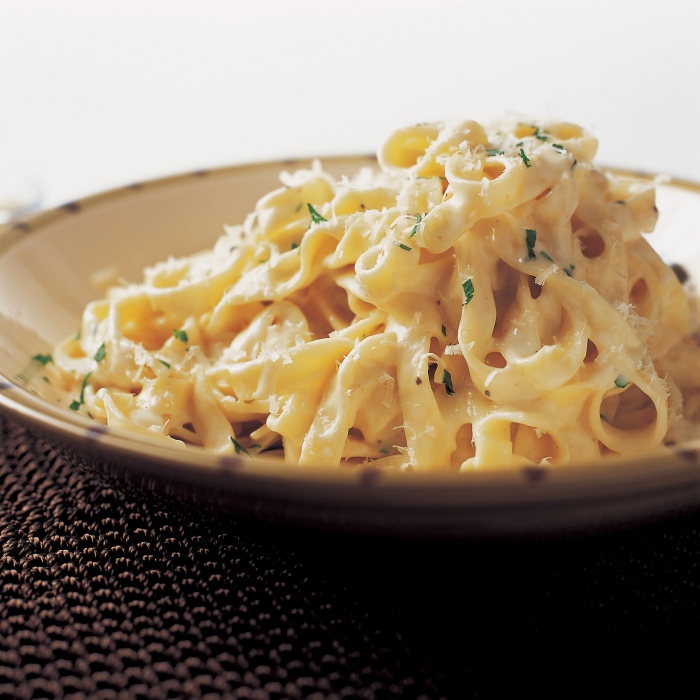
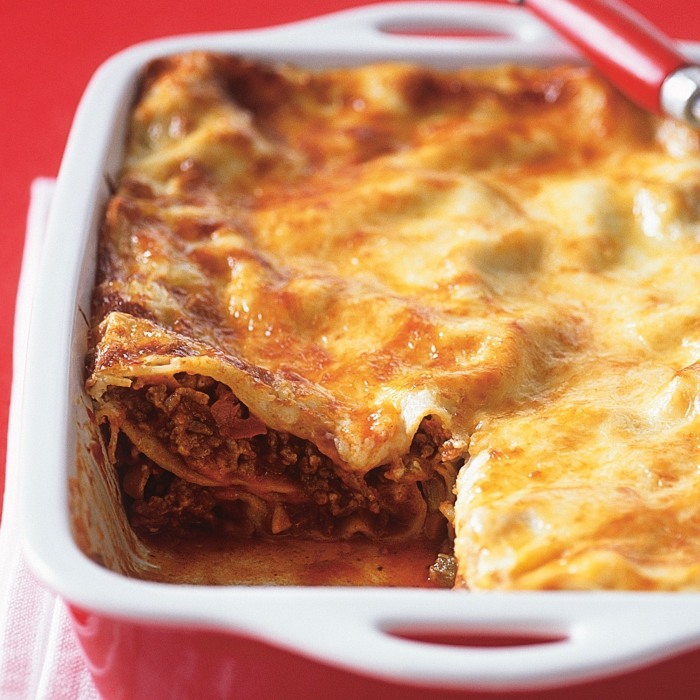
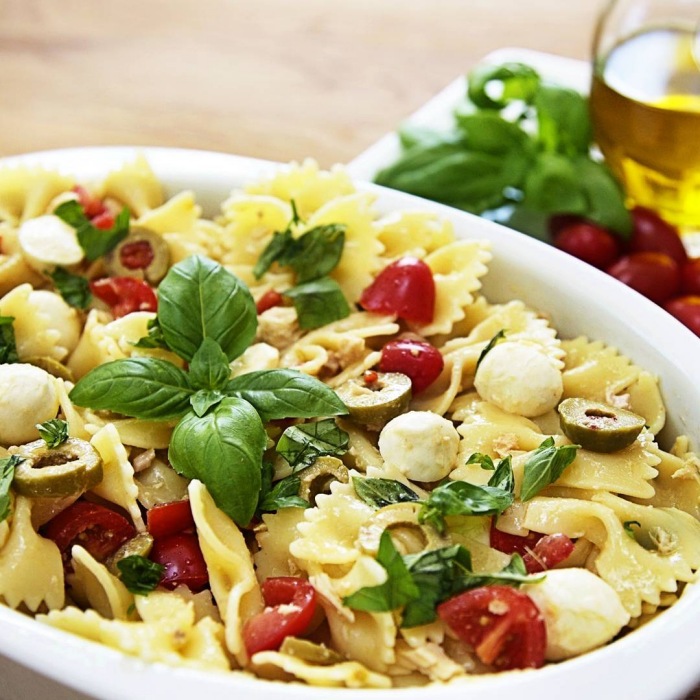
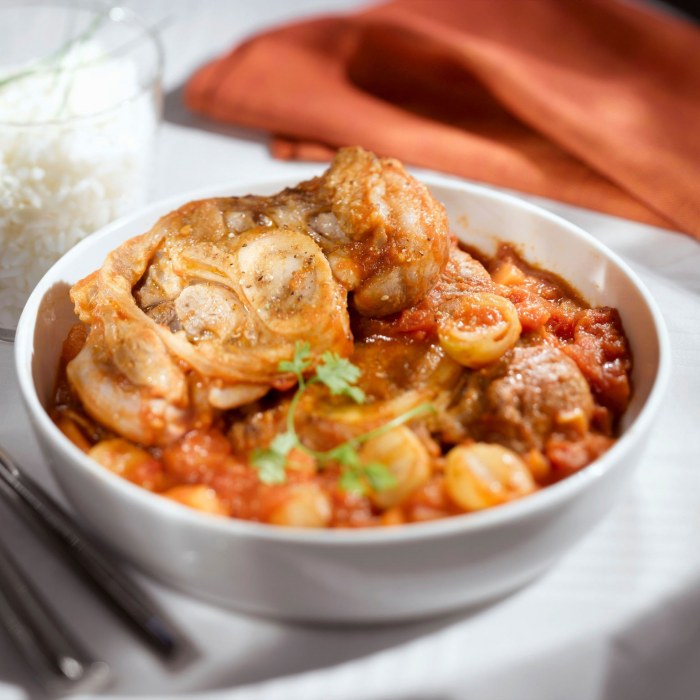
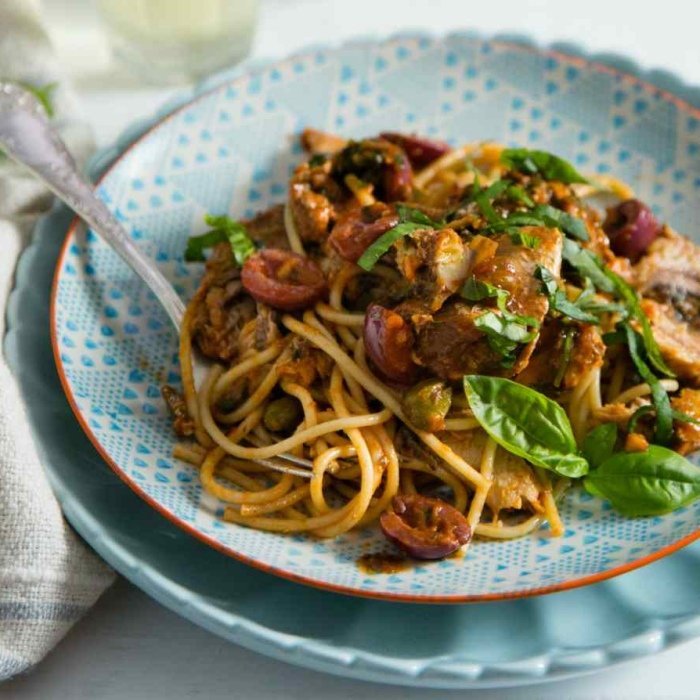
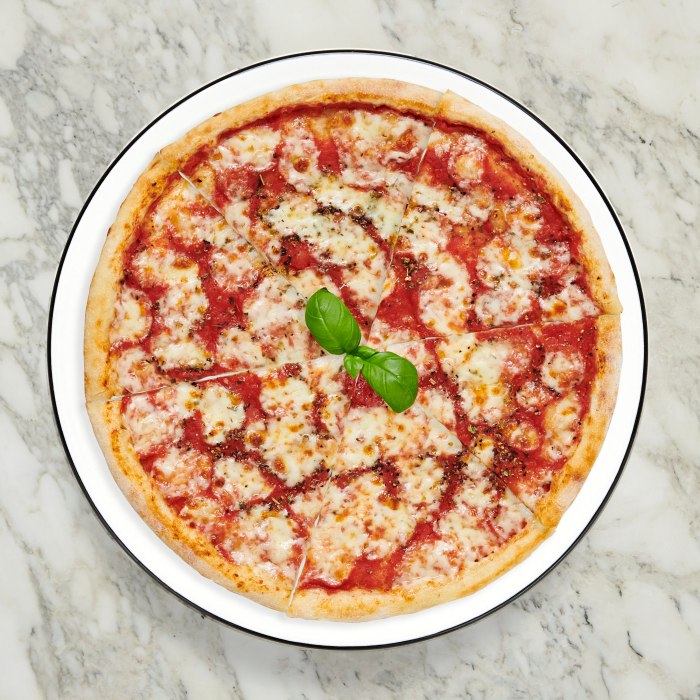
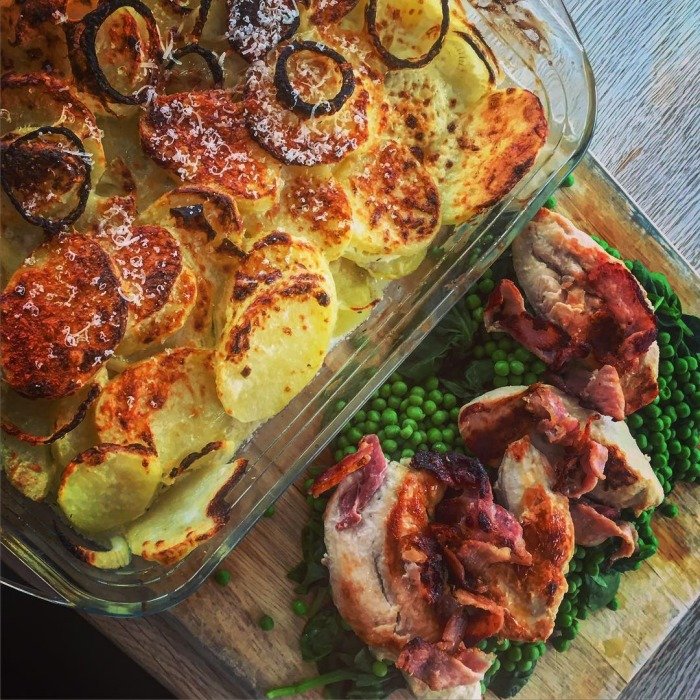
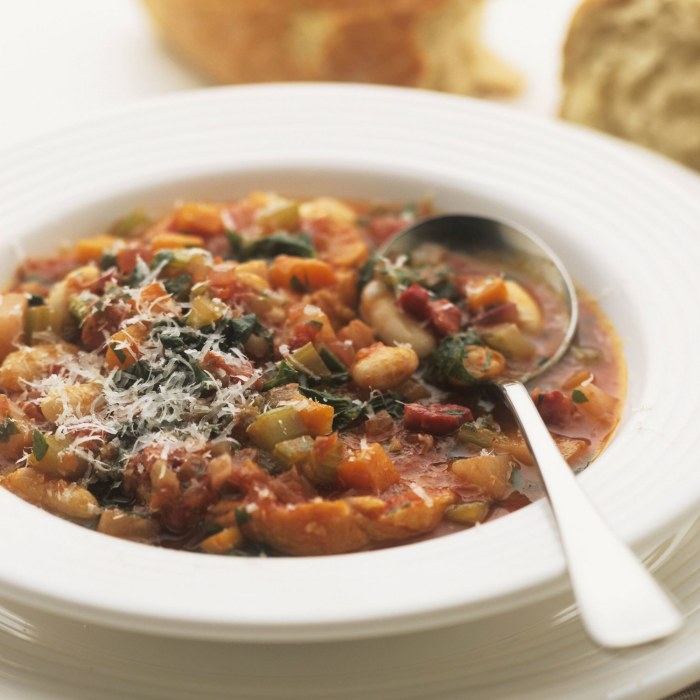
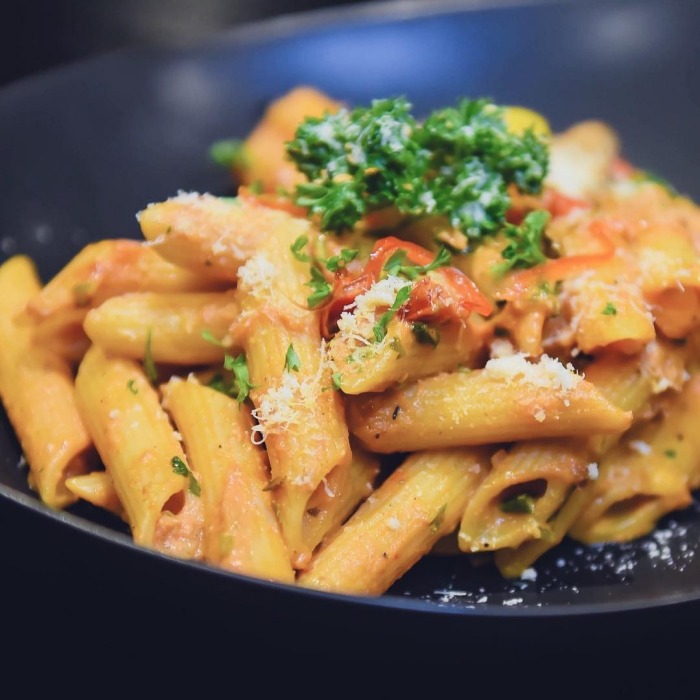
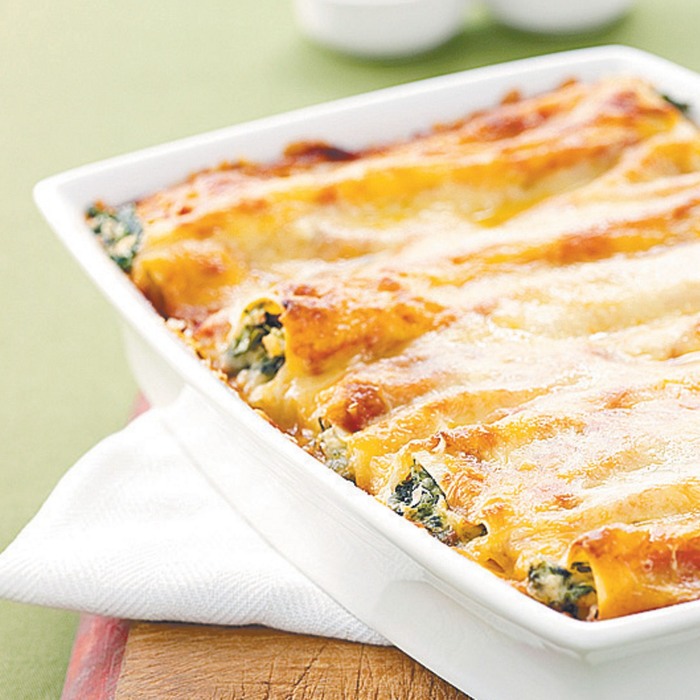
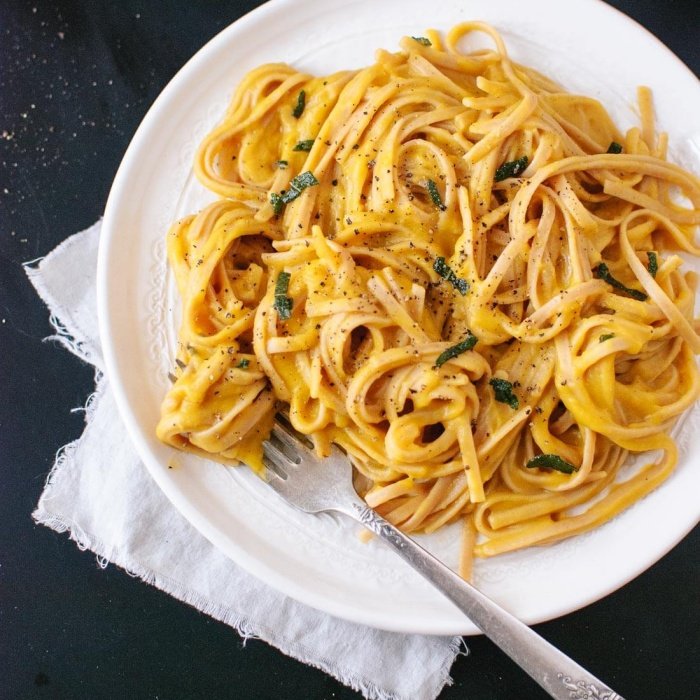
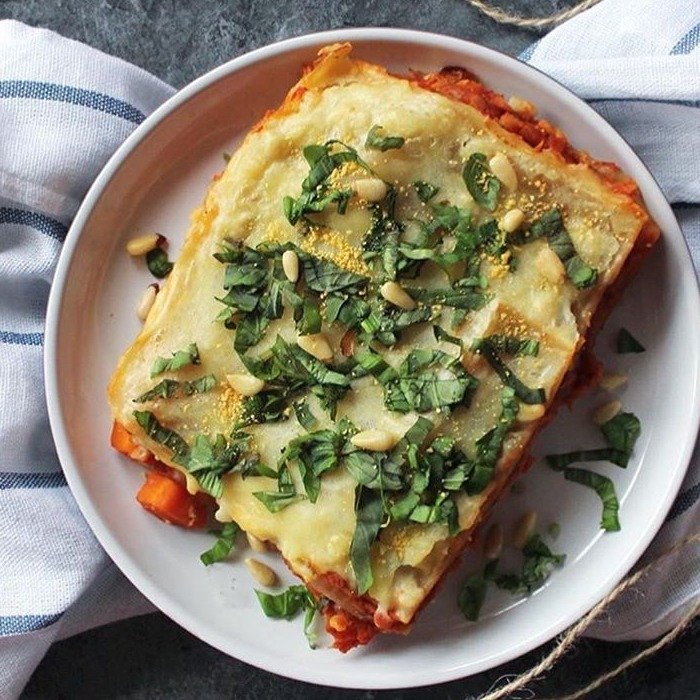
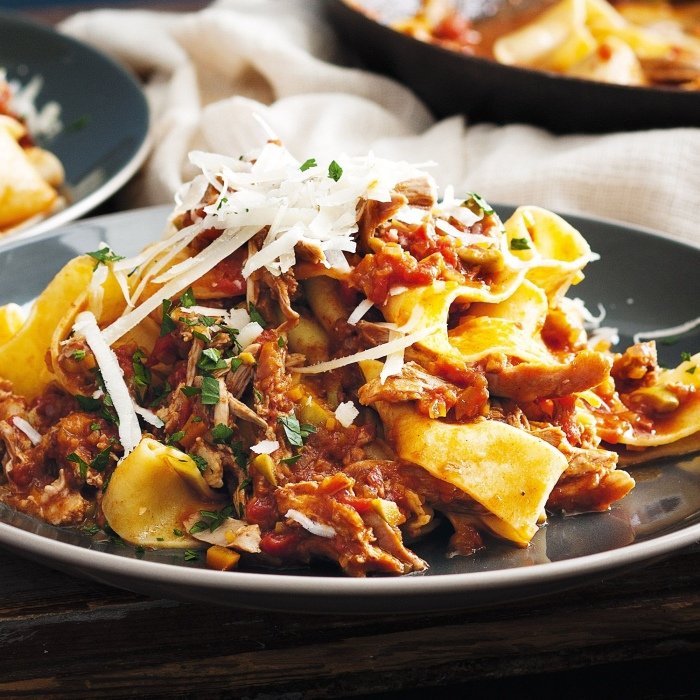
The shape of the cuisine
Three pillars to anchor what you cook.
Northern Italy
Risotto, polenta, fresh-egg pasta, butter, and aged cheeses. The cooking is slower, richer, often anchored by long-cooked meats — osso buco, brasato al Barolo. Cream appears more freely than in the south.
Central Italy
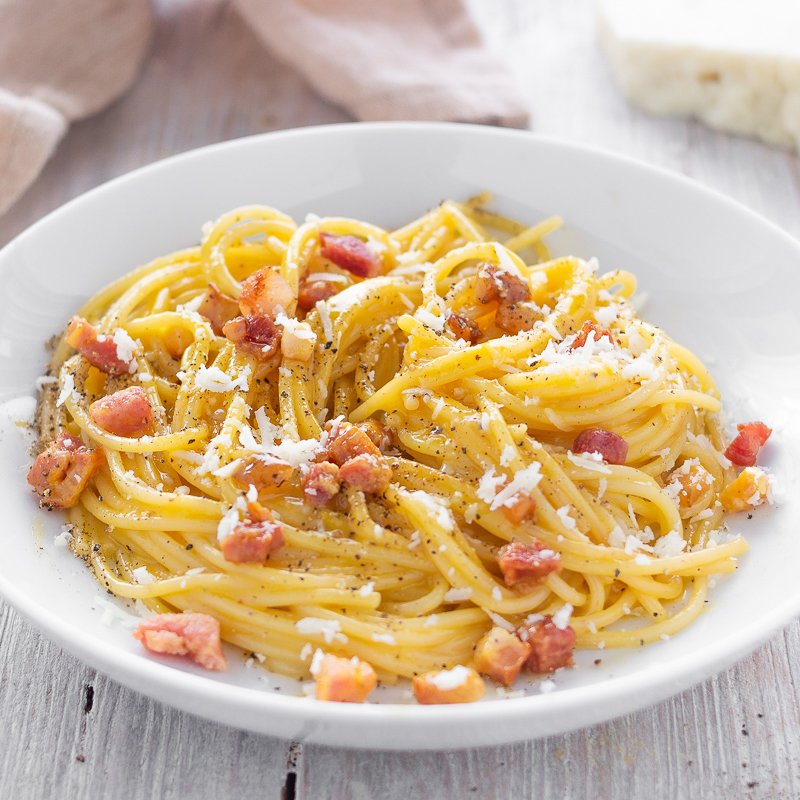
The cuisine of Tuscany, Umbria, Lazio, Le Marche. Bold, peasant-rooted, dependent on bread and beans (ribollita, panzanella) and on cured pork (guanciale, pancetta) carrying flavour through pasta dishes like cacio e pepe and amatriciana.
Southern Italy
Sun, tomatoes, olive oil, capers, anchovies, and dried-pasta dishes that work weeknights as easily as feast days. Sicilian cooking adds Arab inheritance — saffron, raisins, pine nuts — and a tradition of frying fish far better than the rest of the country.
Staple ingredients
The pantry you'll want.
00 flour, semola rimacinata, San Marzano tomatoes, parmigiano-reggiano, pecorino, guanciale, prosciutto di Parma, dried oregano, capers, anchovies, extra-virgin olive oil.
You don't need everything at once. Build the pantry over a few months as recipes call for it; most of these are shelf-stable and useful across cuisines.
Core techniques
A few moves to learn well.
- Salting pasta water aggressively (a generous tablespoon per litre)
- Finishing pasta in the sauce with a splash of starchy cooking water
- Letting risotto rest off-heat before adding cold butter (mantecatura)
- Building soffritto — onion, carrot, celery — slowly over low heat as a base for almost every braise