
Cuisine guide
Vietnamese
recipes.
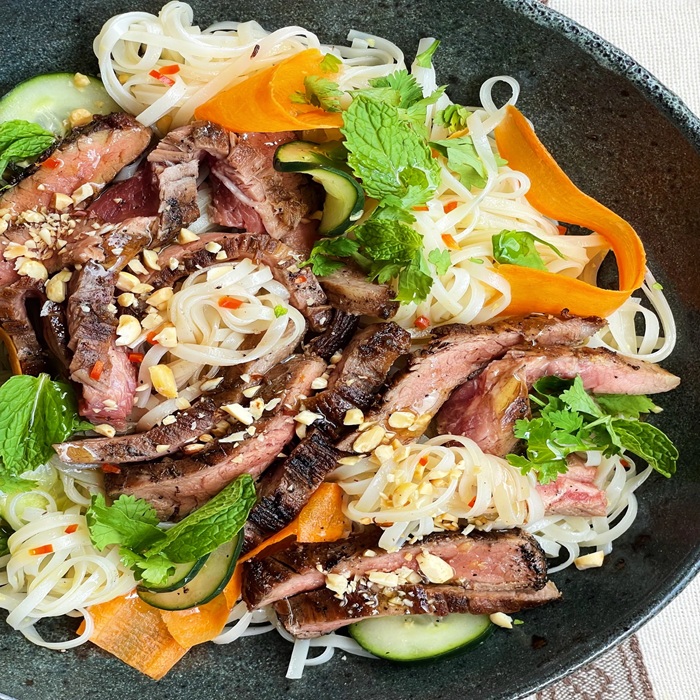
Vietnamese cooking is famous for its lightness — the cuisine relies on fresh herbs, raw vegetables, citrus, rice noodles, and clear broths rather than heavy oils or long-reduced sauces. The technique is fast and assembly-driven; phở, bún chả, and bánh mì are all built at the table from a base of rice or noodles, plus a protein, plus a generous handful of herbs and pickled vegetables that the diner mixes themselves. The cuisine reflects a long colonial-era French overlay (the baguette of bánh mì, the coffee tradition, pâté) on an older Southeast Asian foundation, plus deep Chinese influence in the north and Khmer/Thai influence in the Mekong south.
Editorial guide reviewed
Recipes from Vietnamese
27 dishes to cook from


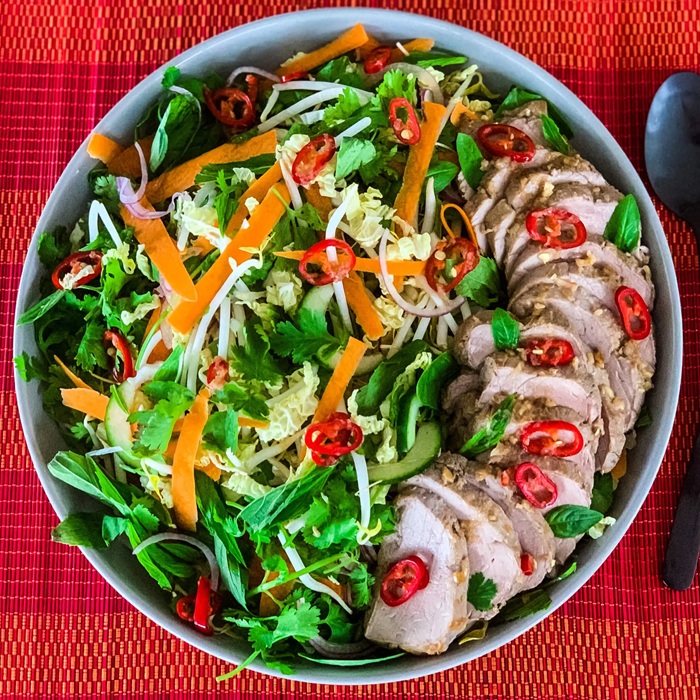
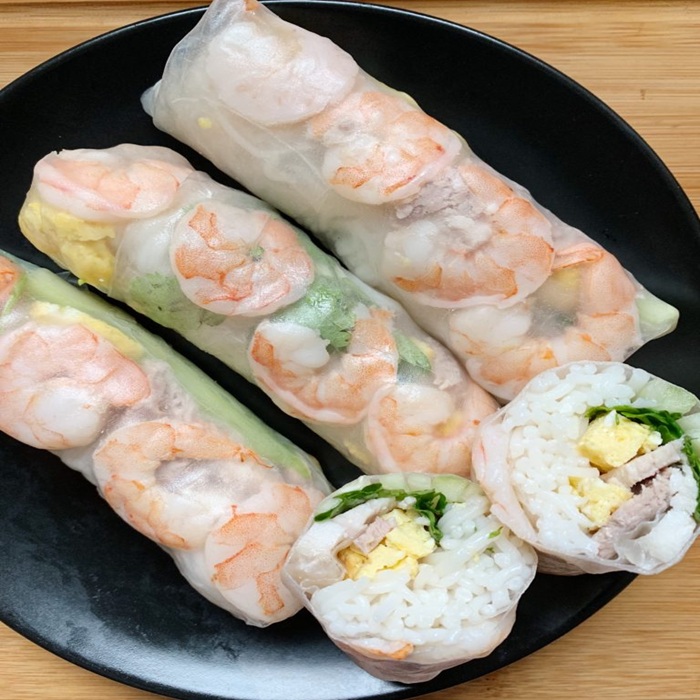

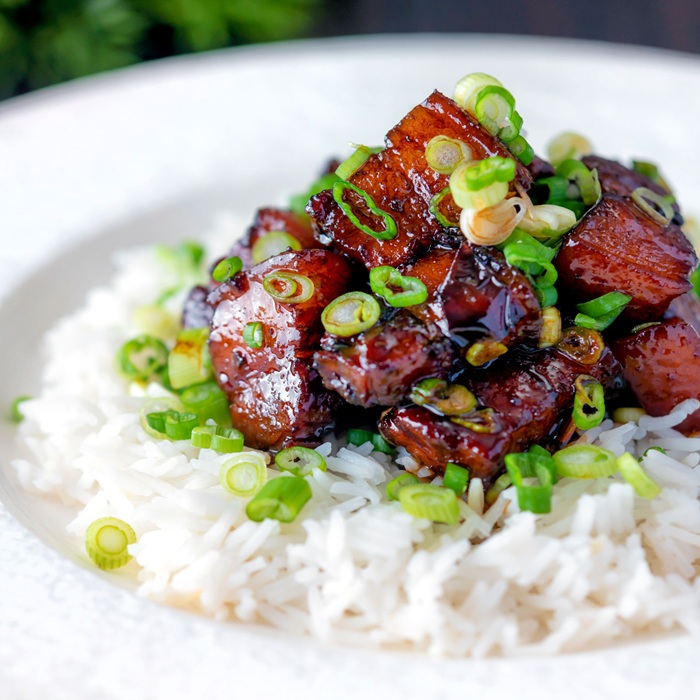
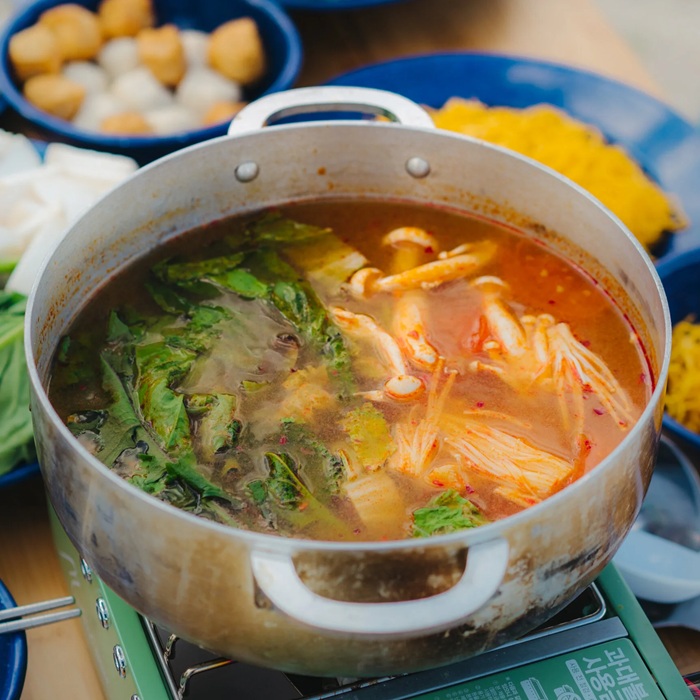
The shape of the cuisine
Three pillars to anchor what you cook.
Pho and the noodle-soup tradition
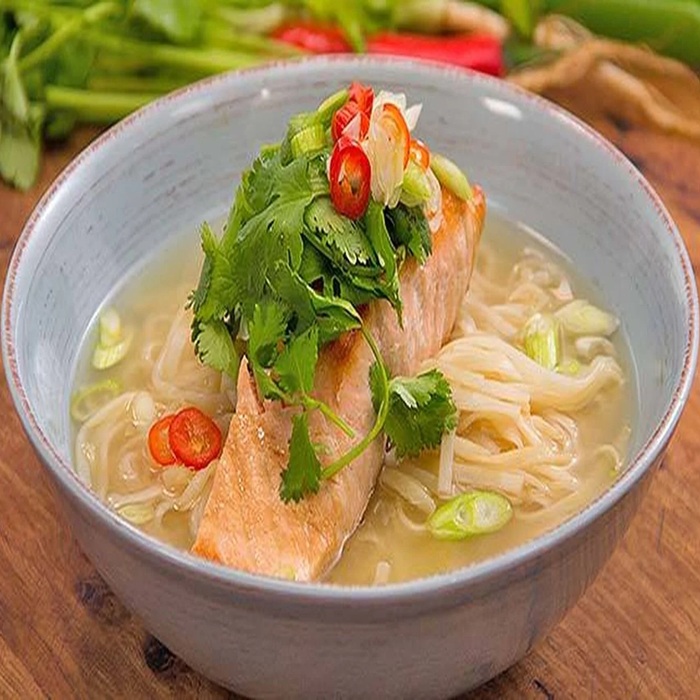
Phở is a long-simmered beef-bone broth scented with charred onion, ginger, star anise, cinnamon, and clove, served over flat rice noodles with thinly sliced raw beef that cooks in the bowl. The northern (Hanoi) version is austere; the southern (Saigon) version is sweeter and comes with a plate of herbs, lime, chillies, and bean sprouts to add at the table.
The herb plate
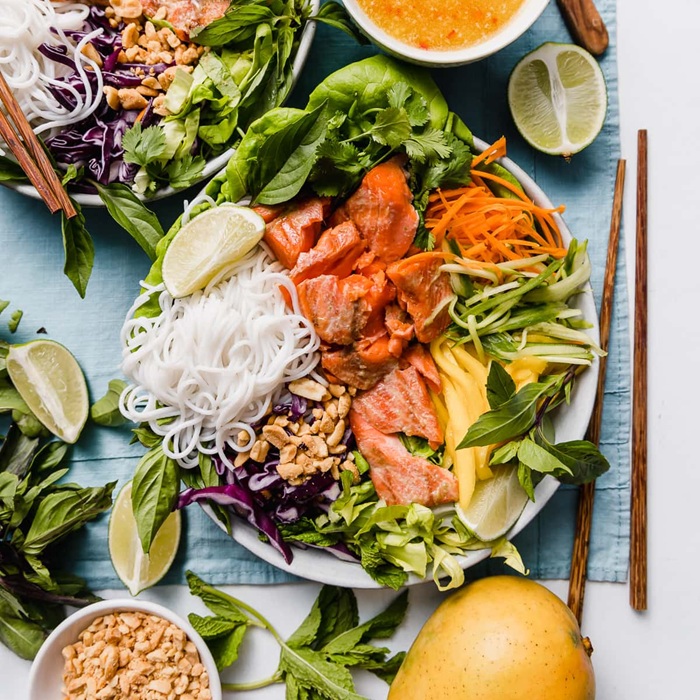
Vietnamese meals come with a side plate of fresh herbs — Thai basil, cilantro, mint, perilla, fish mint (rau diếp cá), sawtooth coriander — that the diner adds in the bites that need them. This is a non-negotiable part of how the cuisine works; without the herb plate, dishes feel flat.
Bánh mì, gỏi cuốn, and the assembly tradition
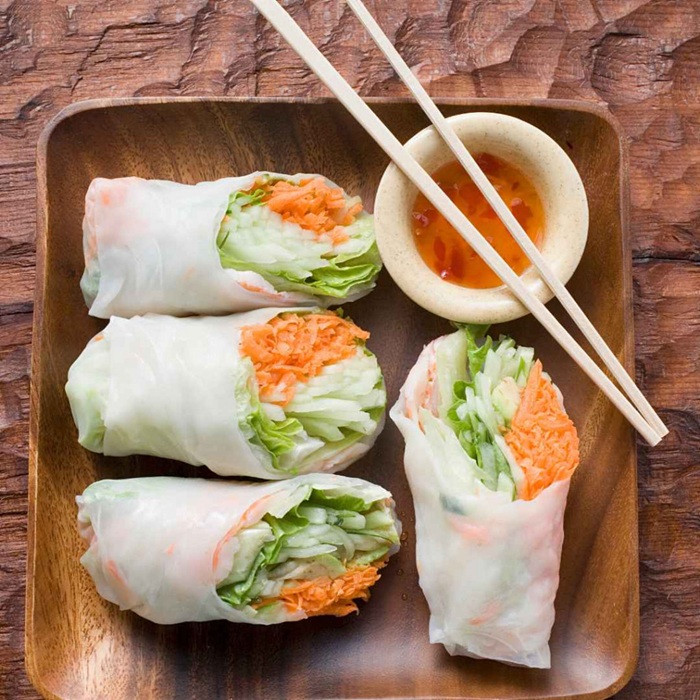
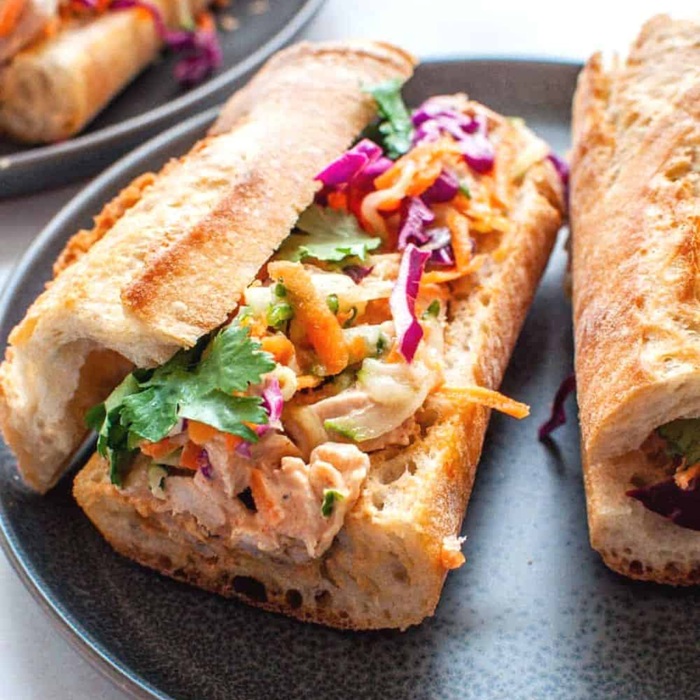
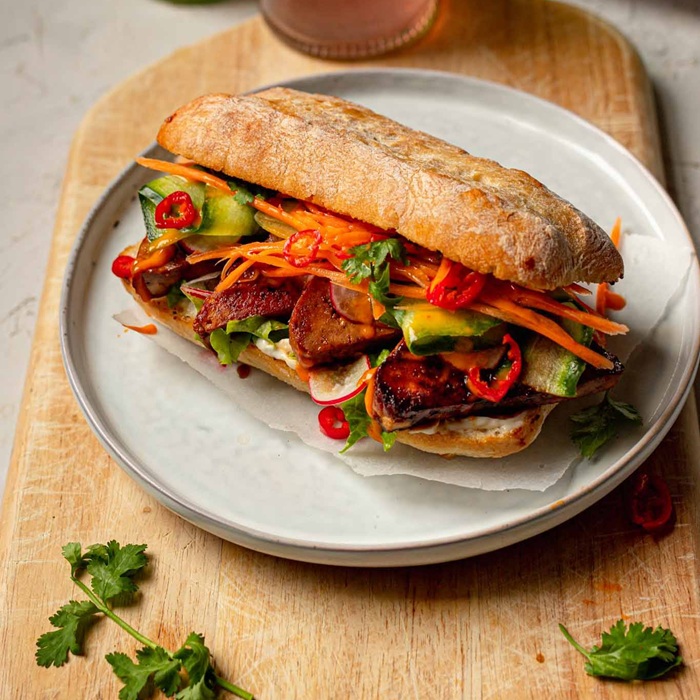
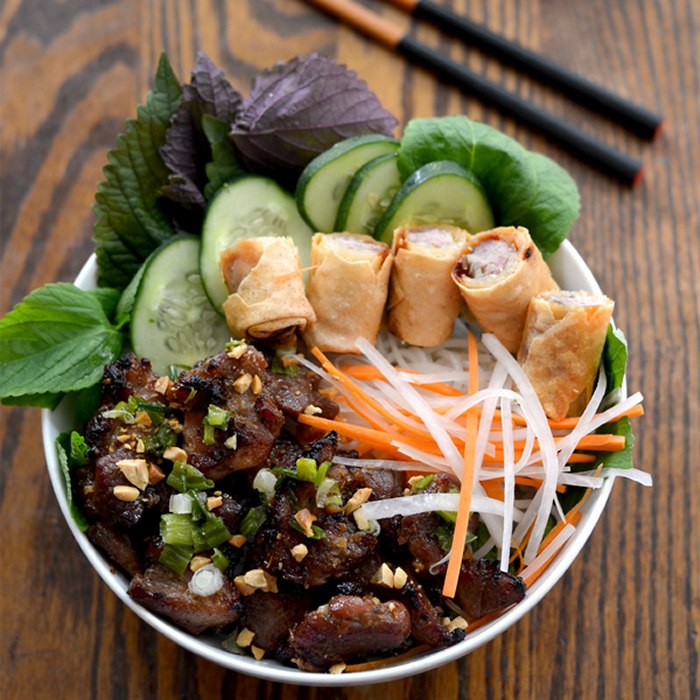
Bánh mì — the French baguette filled with pâté, cold cuts, pickled daikon and carrot, cucumber, cilantro, and chillies — is the country's great fusion sandwich. Gỏi cuốn (fresh summer rolls) and bánh xèo (stuffed crepe) similarly come together at the table from a stack of components.
Staple ingredients
The pantry you'll want.
Fish sauce (nước mắm), rice paper (bánh tráng), rice vermicelli (bún), flat rice noodles (bánh phở), jasmine rice, lime, palm sugar, hoisin, sriracha, nước chấm (the universal dipping sauce), pickled carrots and daikon, Thai basil, cilantro, mint, perilla, ginger, star anise, cinnamon stick.
You don't need everything at once. Build the pantry over a few months as recipes call for it; most of these are shelf-stable and useful across cuisines.
Core techniques
A few moves to learn well.
- Charring whole onion and ginger over an open flame before adding to broth
- Making nước chấm by balancing fish sauce, lime, sugar, water, garlic, and chilli — adjusted to taste
- Soaking rice noodles in cold water rather than boiling them
- Quick-pickling daikon and carrot in vinegar, sugar, and salt for at least an hour before assembly