
Cuisine guide
Moroccan
recipes.
Moroccan cuisine is a layered inheritance — Indigenous Berber (Amazigh) cooking with its slow-braised stews and grain dishes, joined by Arab influence (rice, citrus, the spice trade), Andalusian refugees from the Reconquista (almond pastries, intricate sauces), and a long French colonial overlay (cafés, baguettes, pastry technique). What unifies it is a particular spice palette — saffron, cumin, cinnamon, ginger, paprika, ras el hanout — and a few central techniques: the conical-lid tagine that recirculates moisture, the steaming of couscous over stew, and the preservation of lemons in salt that gives Moroccan food its distinctive perfume. Friday couscous is a national institution.
Editorial guide reviewed
Recipes from Moroccan
6 dishes to cook from
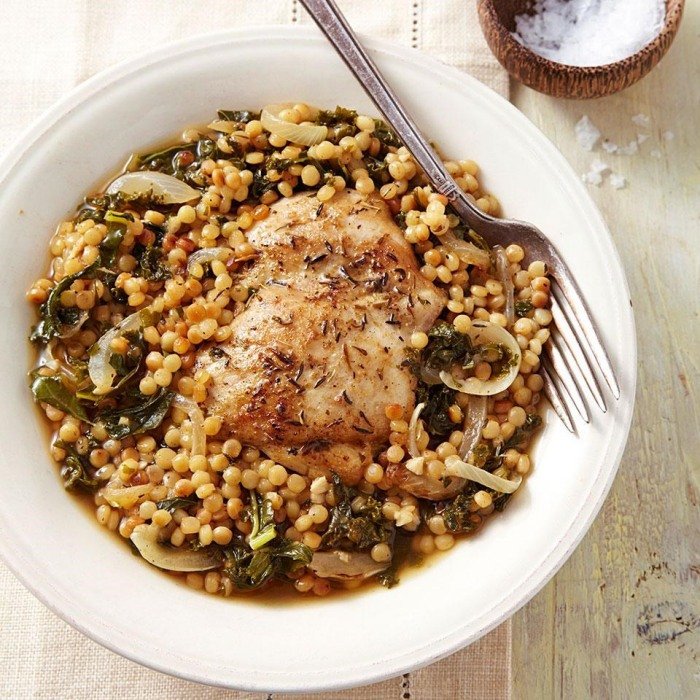
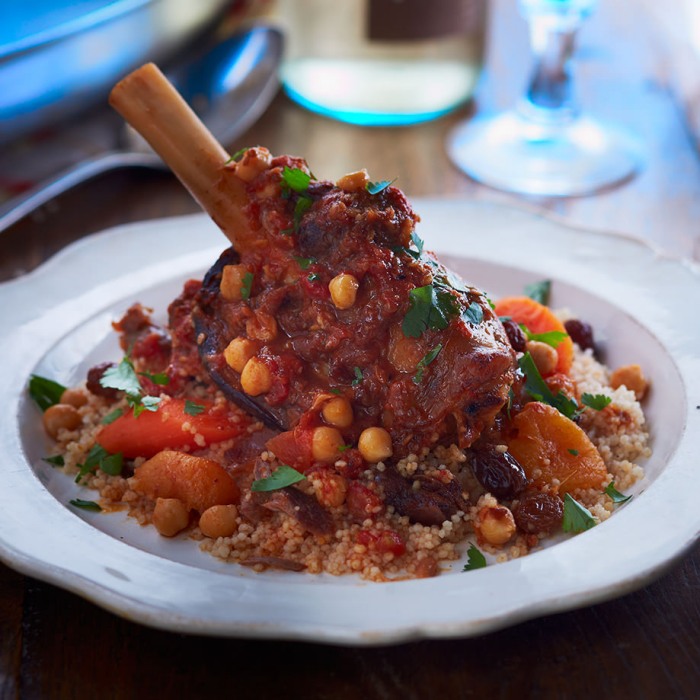
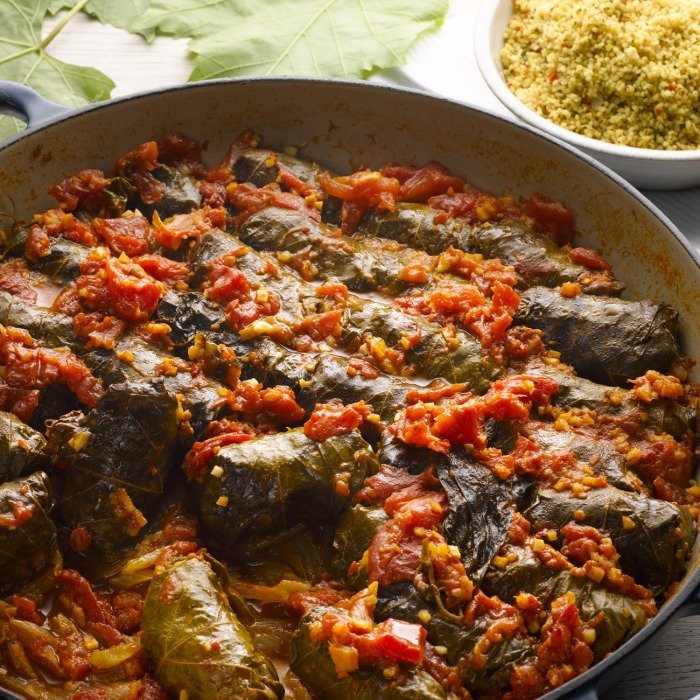
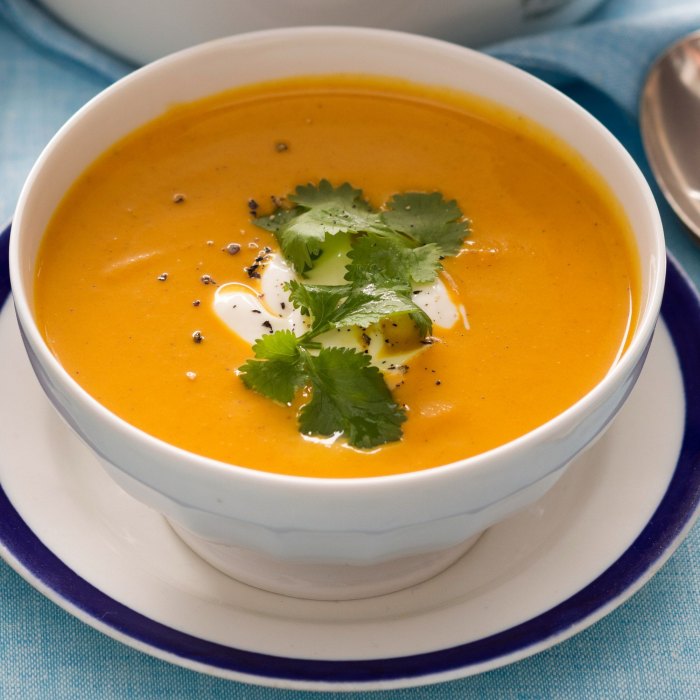
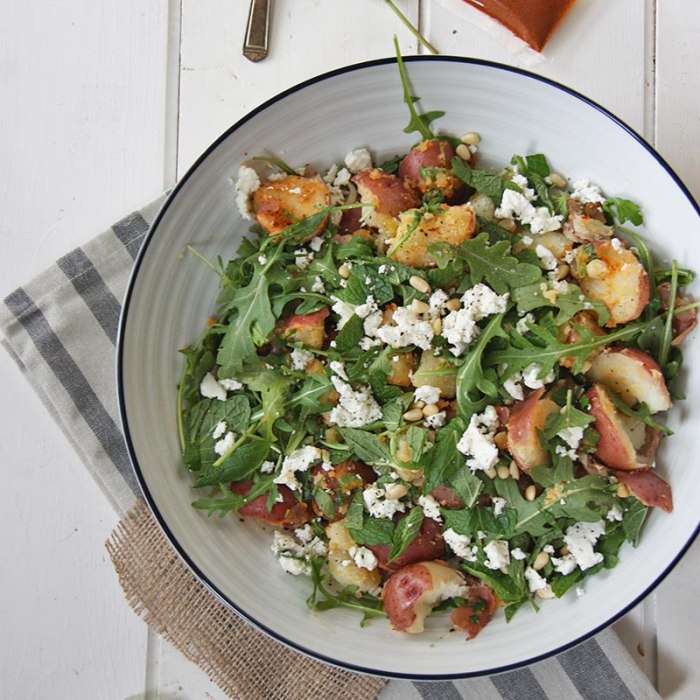
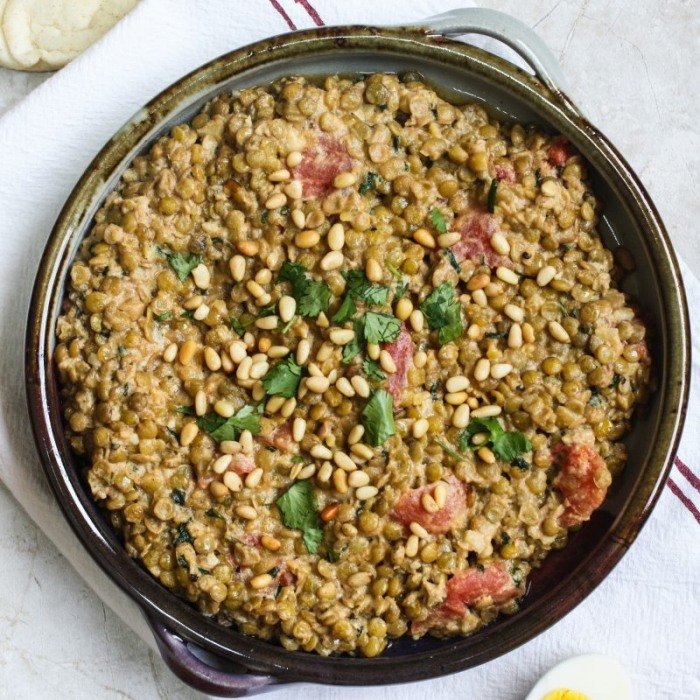
The shape of the cuisine
Three pillars to anchor what you cook.
Tagines
The conical earthenware pot does real work — its shape recirculates moisture down onto the food, allowing very long cooking with very little liquid added. Classic tagines pair lamb with prunes and almonds, chicken with preserved lemon and olives, kefta (meatballs) with eggs poached in tomato sauce. The cooking is slow, gentle, and almost sealed.
Couscous as a discipline
Real Moroccan couscous is steamed three times over a stew, fluffed and oiled between each round — not boiled like the instant version. Friday lunch (the day's largest meal) is traditionally couscous with seven vegetables, lamb or chicken, and a saffron-scented broth. The technique takes time but produces grain that tastes nothing like the boil-and-serve version.
Preserved lemons, olives, and harissa
The flavour bedrock. Preserved lemons — quartered lemons buried in salt and their own juice for a month — produce a pickled, intense citrus note that defines dishes like chicken-and-olive tagine. Moroccan olives are a category in themselves, and harissa (chilli paste) is shared with neighbouring Tunisia and Algeria.
Staple ingredients
The pantry you'll want.
Ras el hanout, saffron, cumin, sweet paprika, cinnamon, ginger, turmeric, smen (aged butter), preserved lemons, green and purple olives, harissa, dried fruit (prunes, apricots, dates), almonds, couscous, semolina, chickpeas, lentils, lamb, chicken, mint, cilantro, parsley.
You don't need everything at once. Build the pantry over a few months as recipes call for it; most of these are shelf-stable and useful across cuisines.
Core techniques
A few moves to learn well.
- Mounting a tagine sauce by reducing the cooking liquid at the end after the meat is tender
- Steaming couscous in three rounds over the stew it will be served with
- Preserving lemons in their own juice + salt for at least a month before use
- Toasting whole spices and grinding them fresh for ras el hanout