
Cuisine guide
British
recipes.
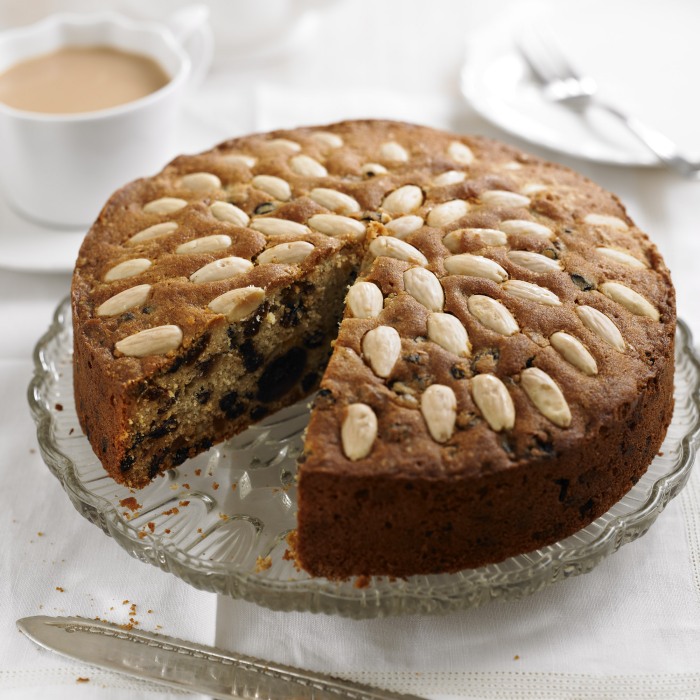
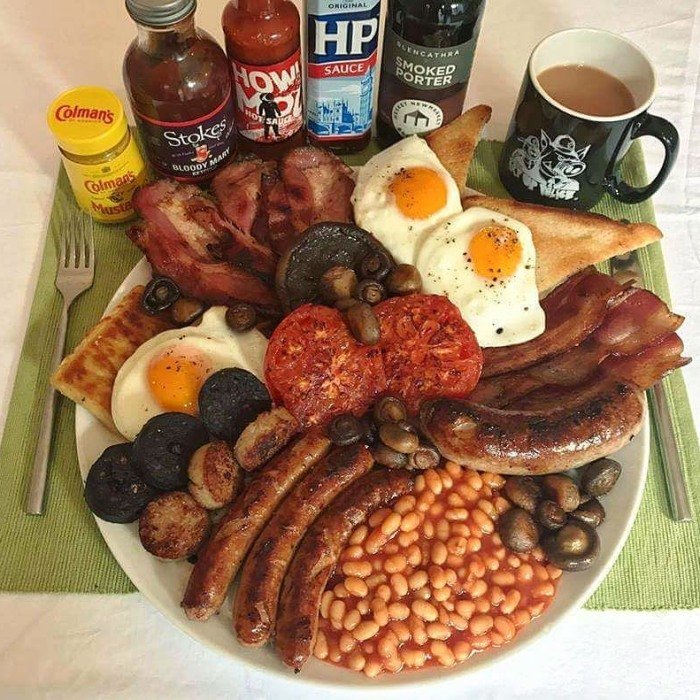
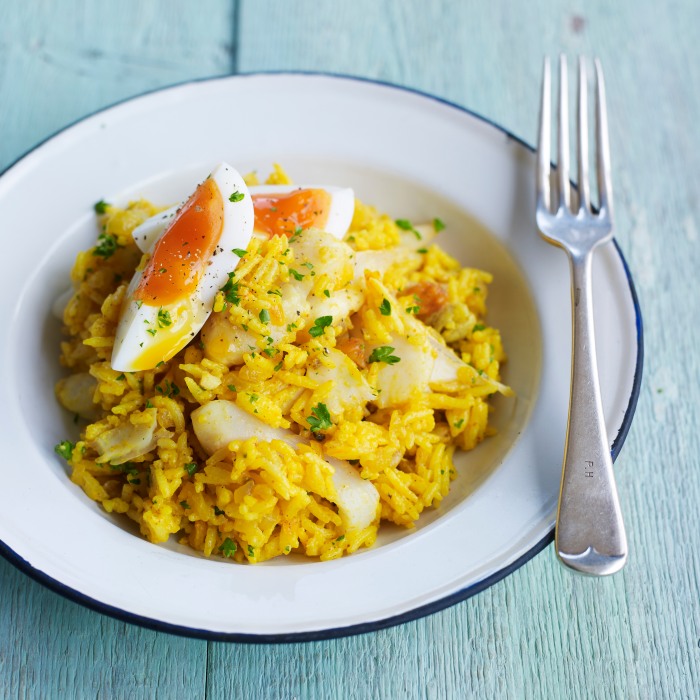
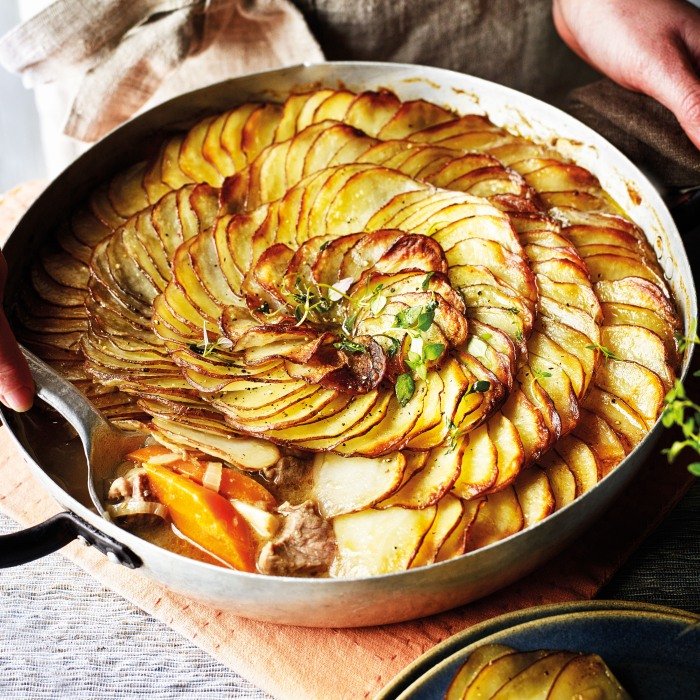
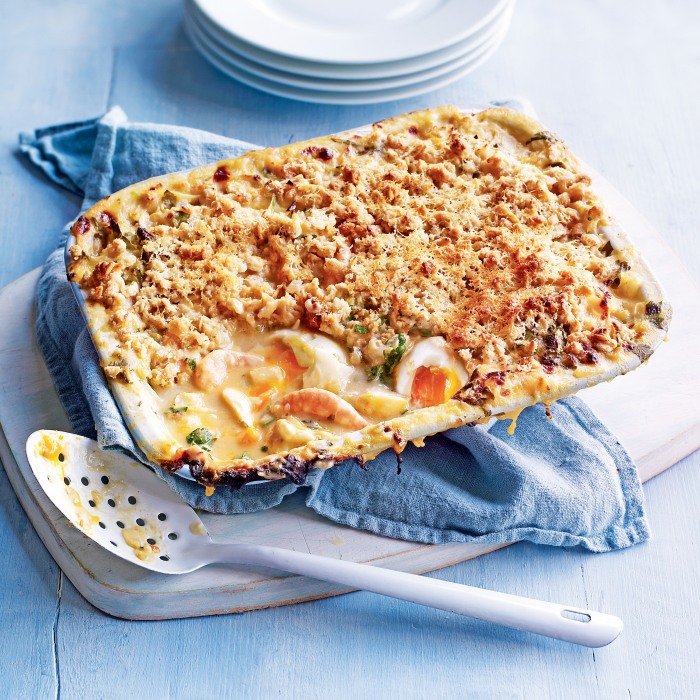
British food has spent decades being the punchline of culinary jokes, much of which dates to the long austerity of post-war rationing and is no longer fair. The actual British tradition is older, regional, and reasonably distinguished: Sunday roasts with proper Yorkshire puddings, rich stews from the meat-rich North (Lancashire hotpot, steak-and-kidney pudding), the seafood of the coasts (Cornish stargazy pie, kippers, dressed crab), Scottish baking (oatcakes, shortbread, Dundee cake), and a working-class tradition of pies, pasties, and chip-shop fish that survived industrialisation. Modern British cooking — led by chefs like Fergus Henderson and Yotam Ottolenghi (technically Israeli but London-based) — has been quietly excellent for the past quarter-century.
Editorial guide reviewed
Recipes from British
60 dishes to cook from
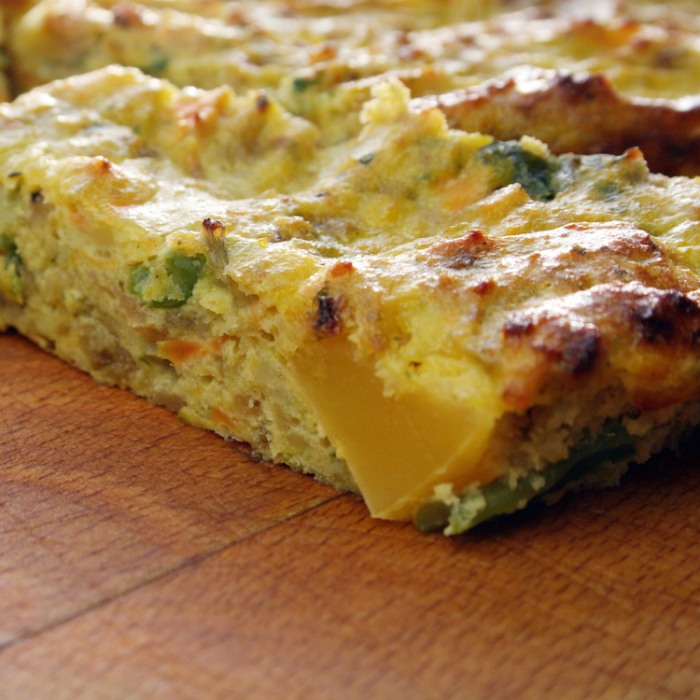
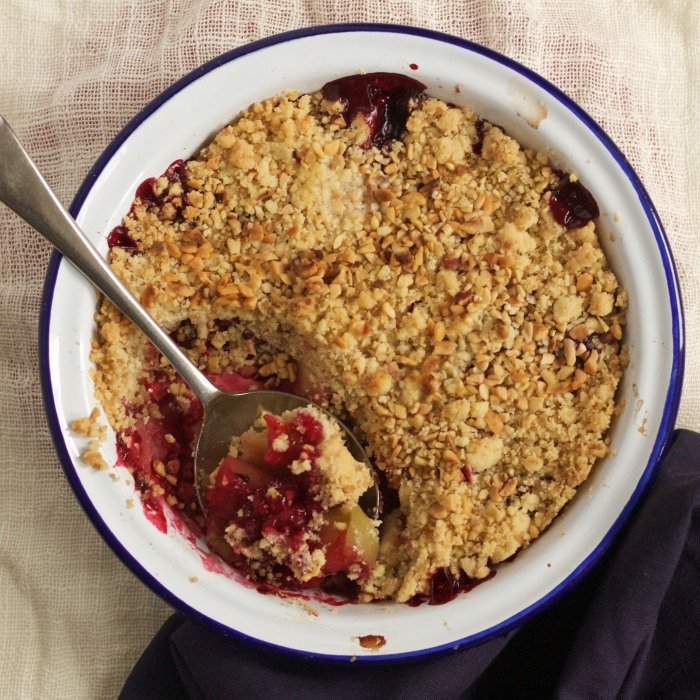
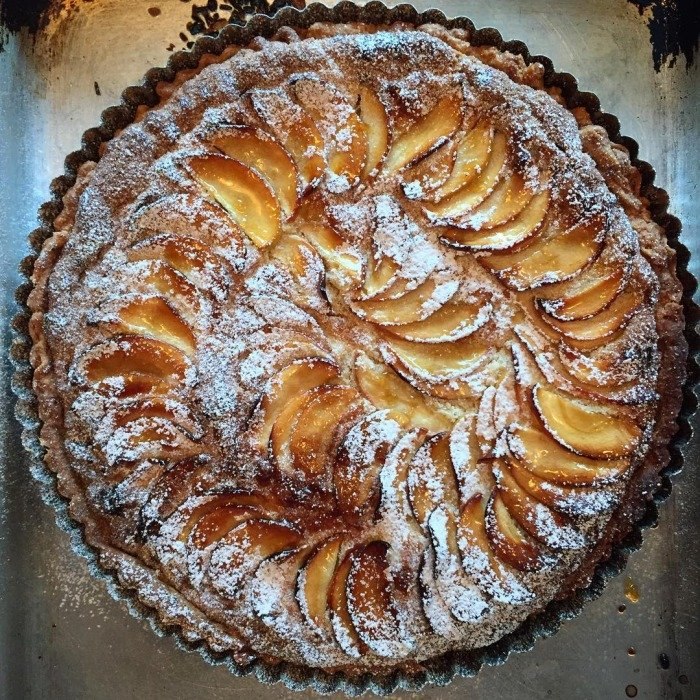
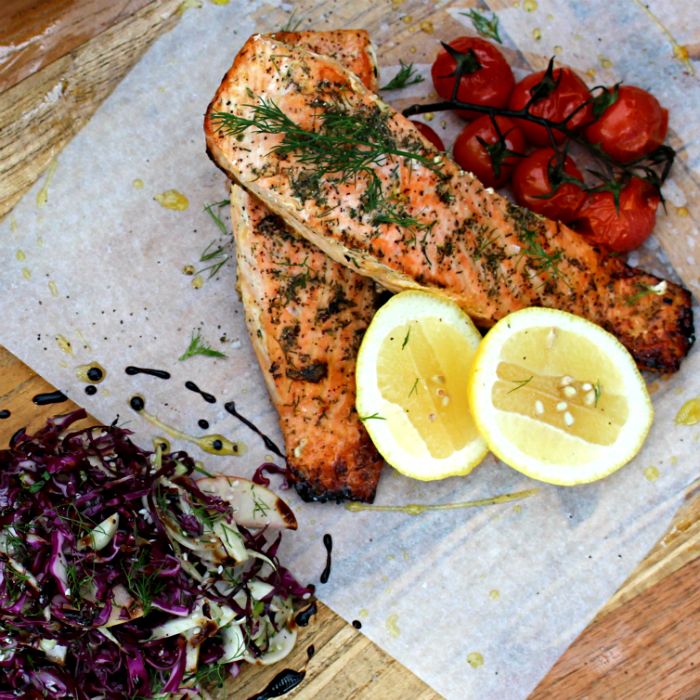
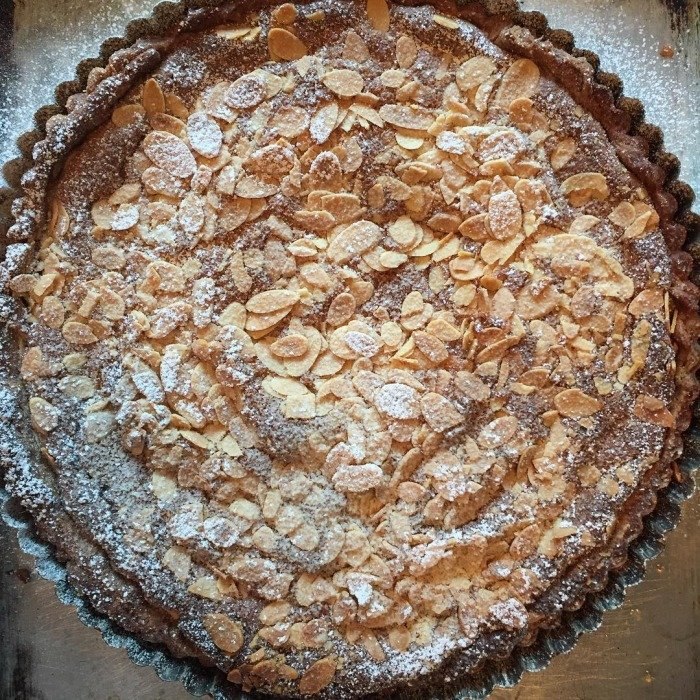

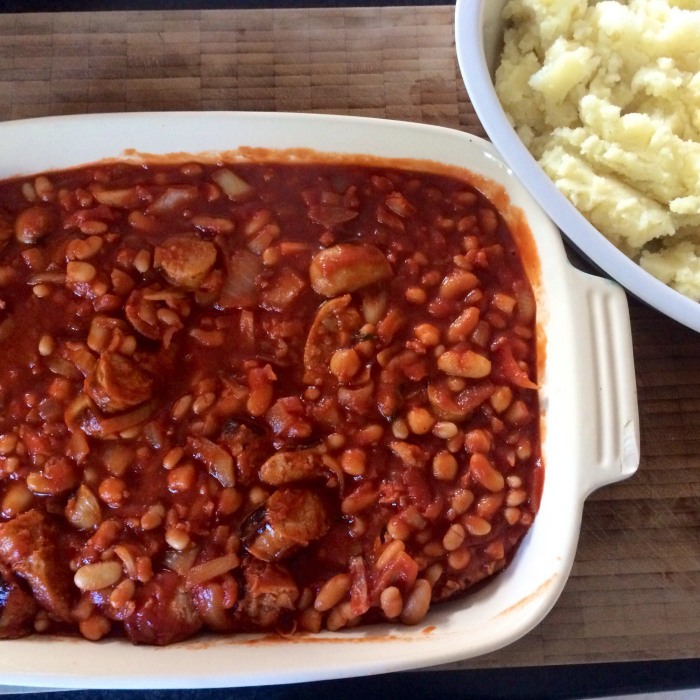
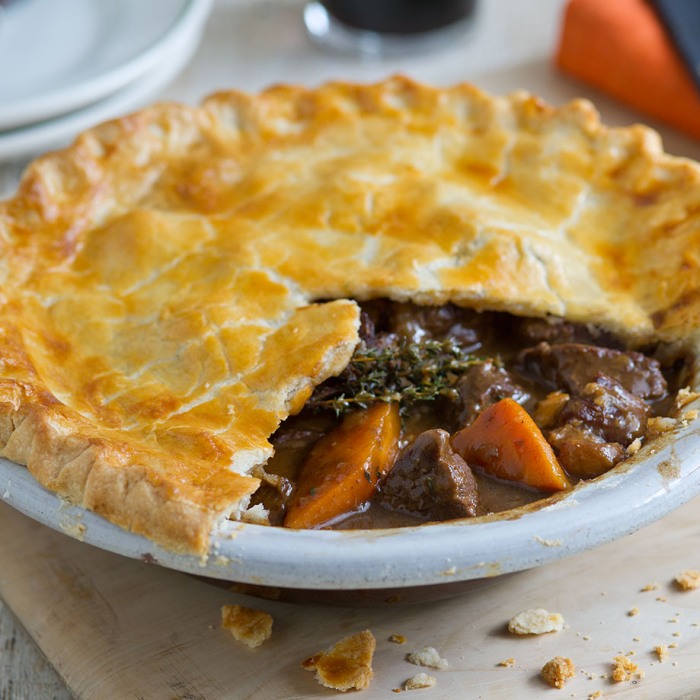
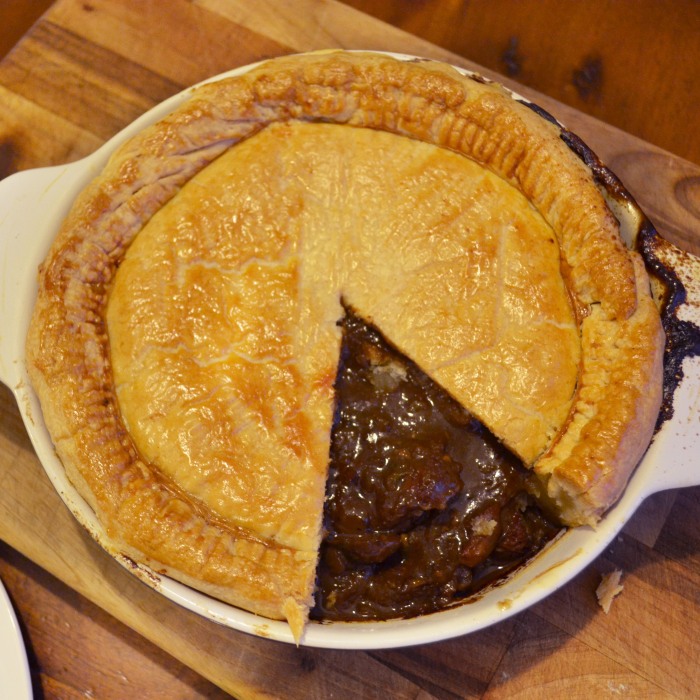
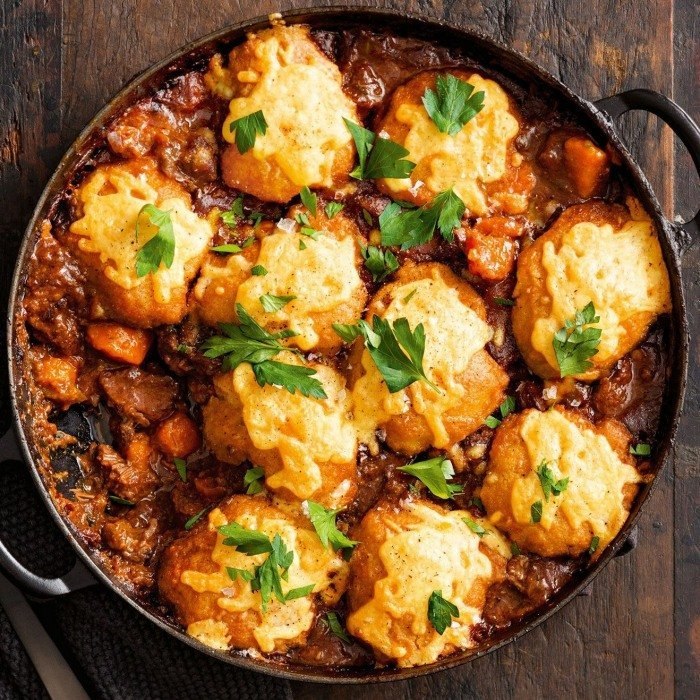
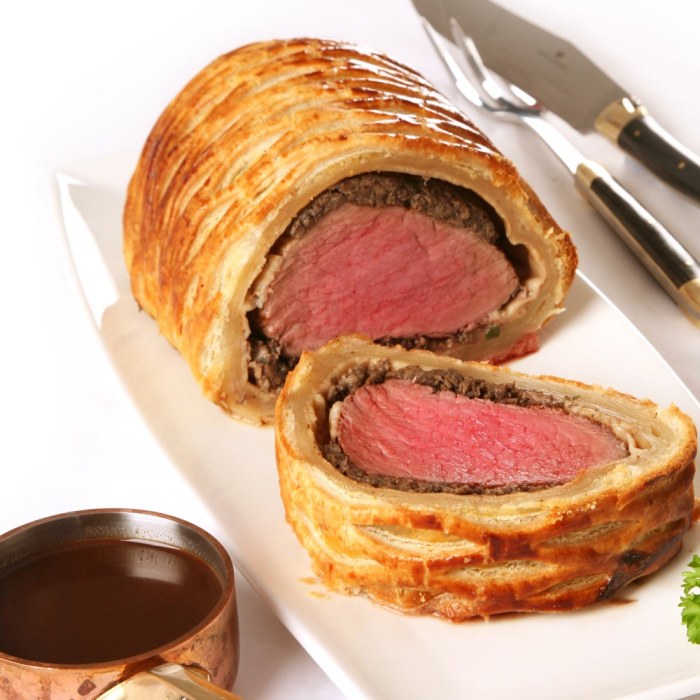
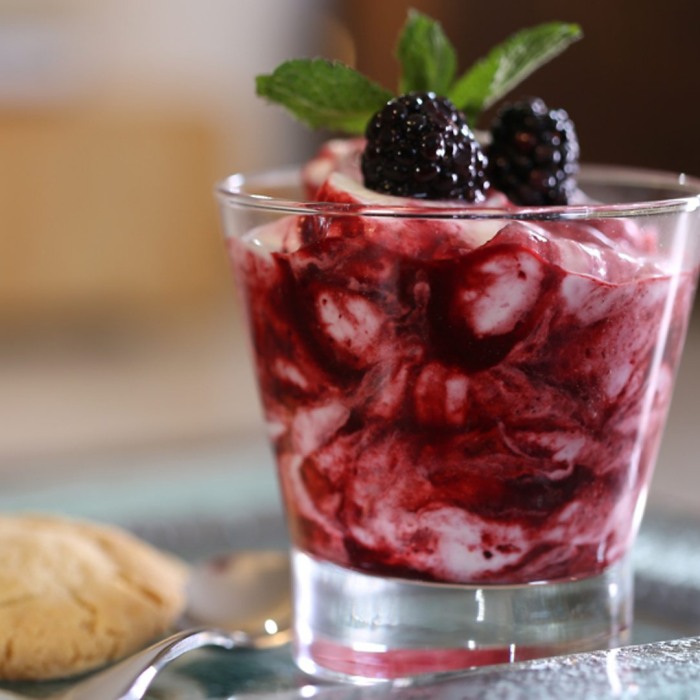
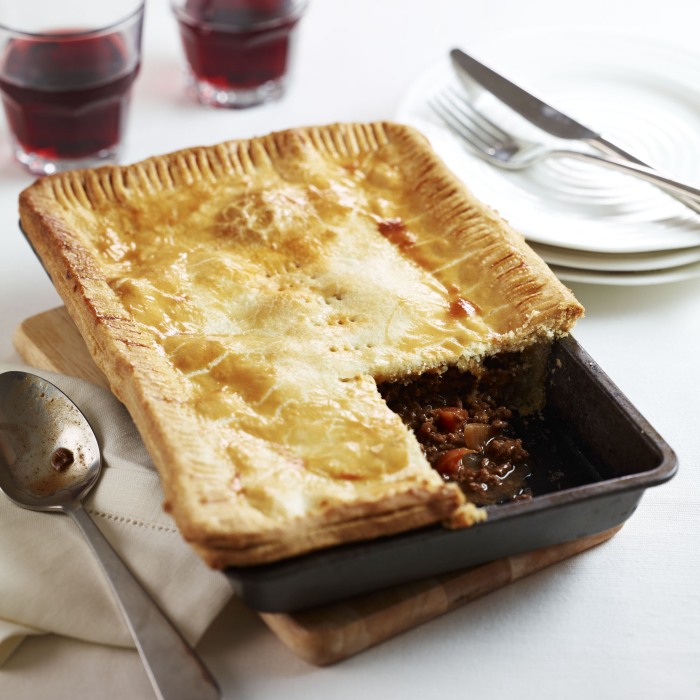
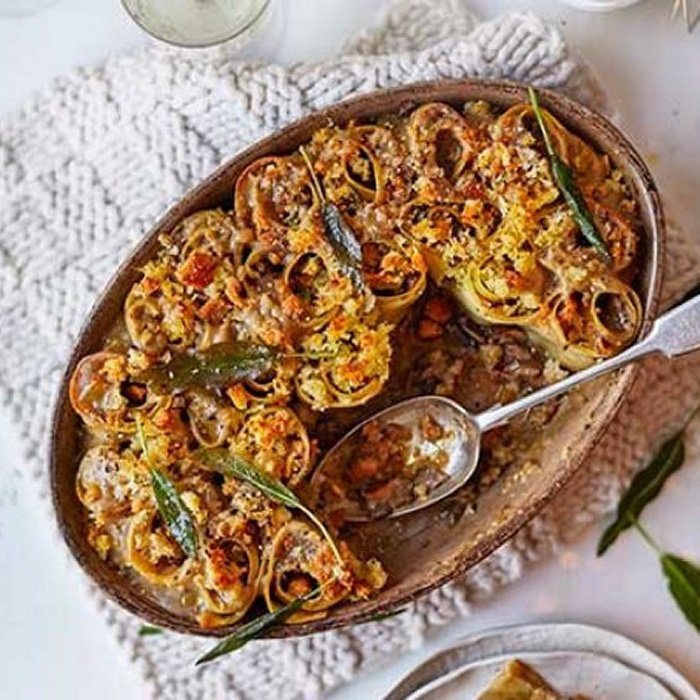
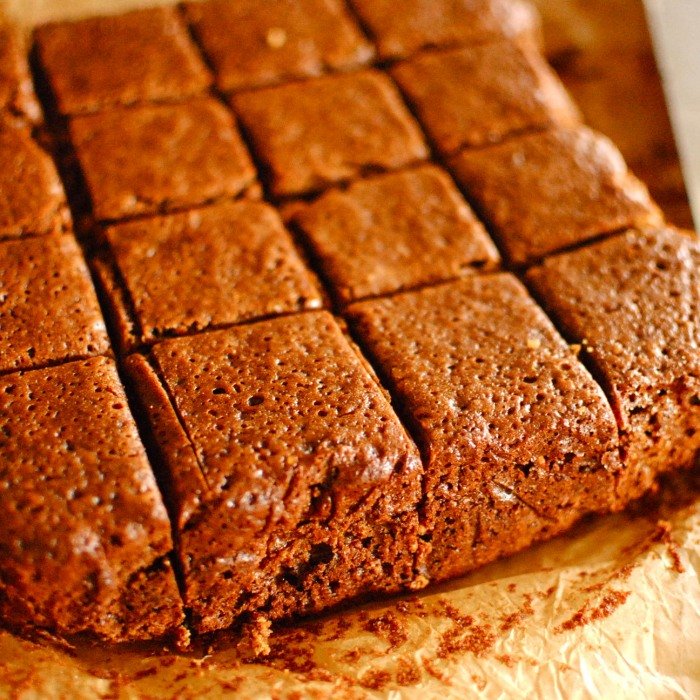
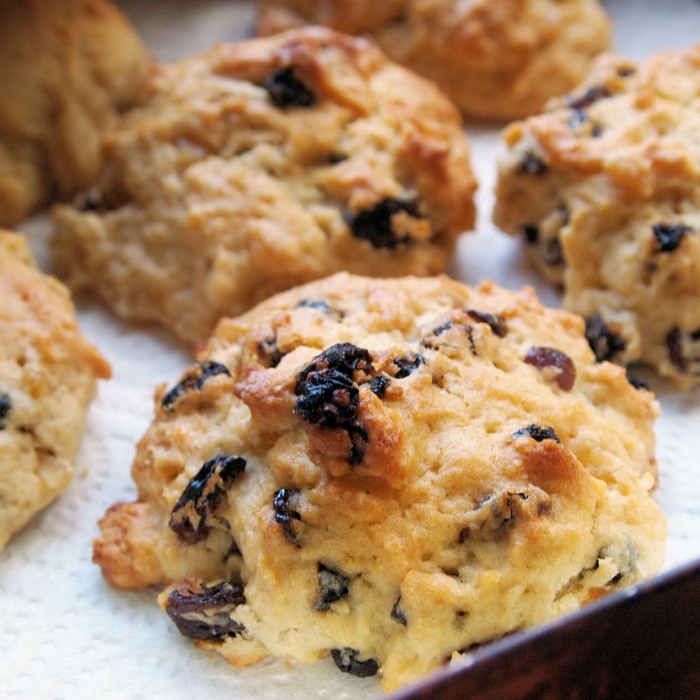
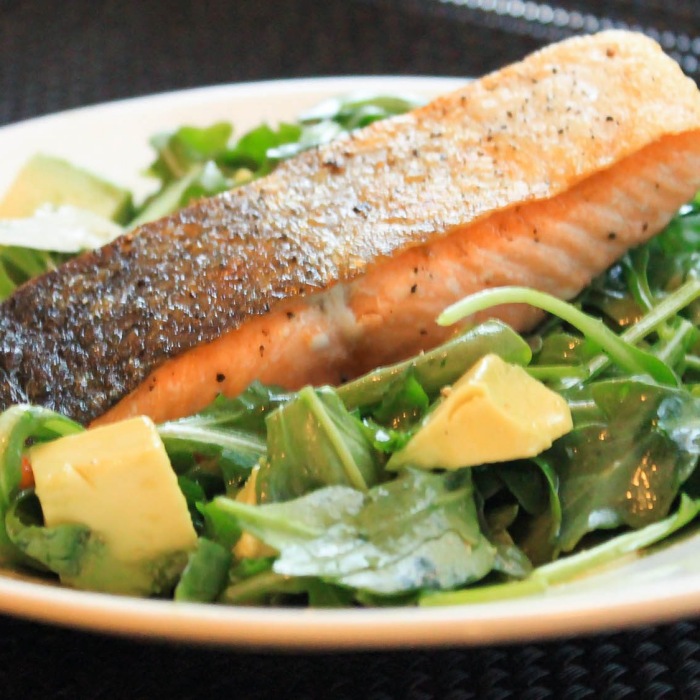
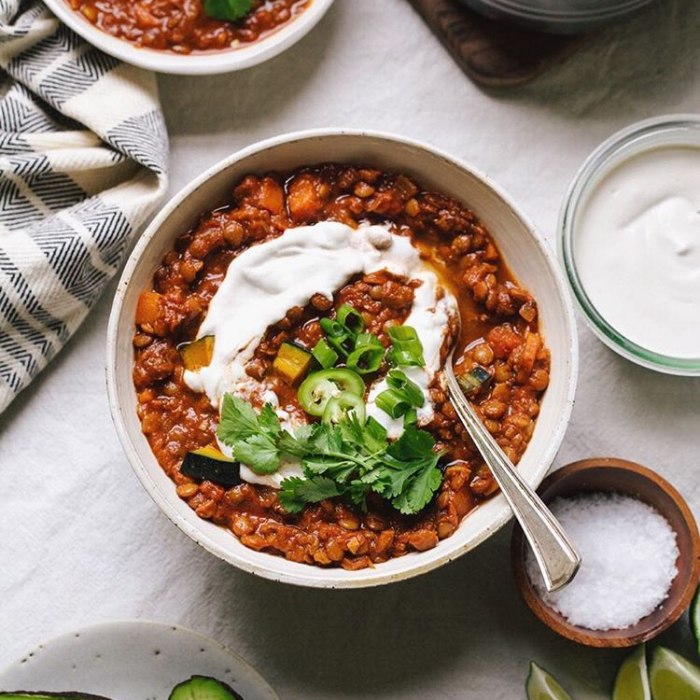
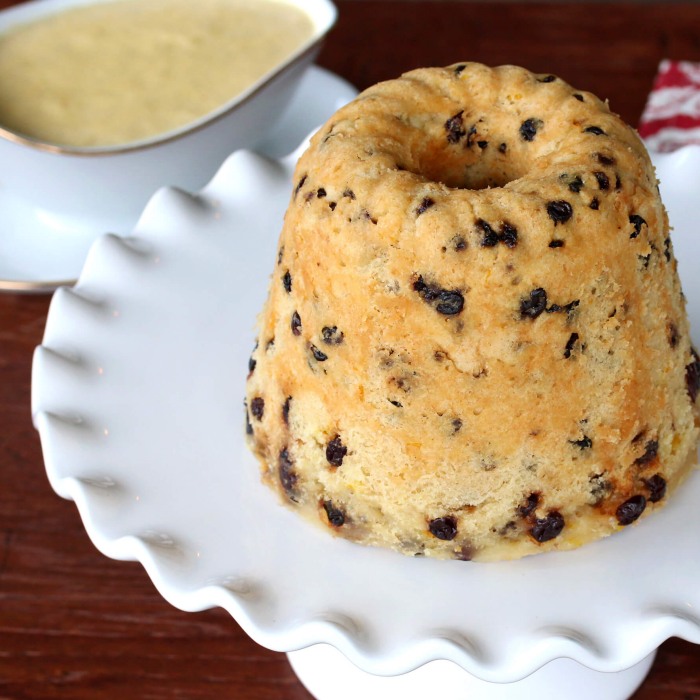
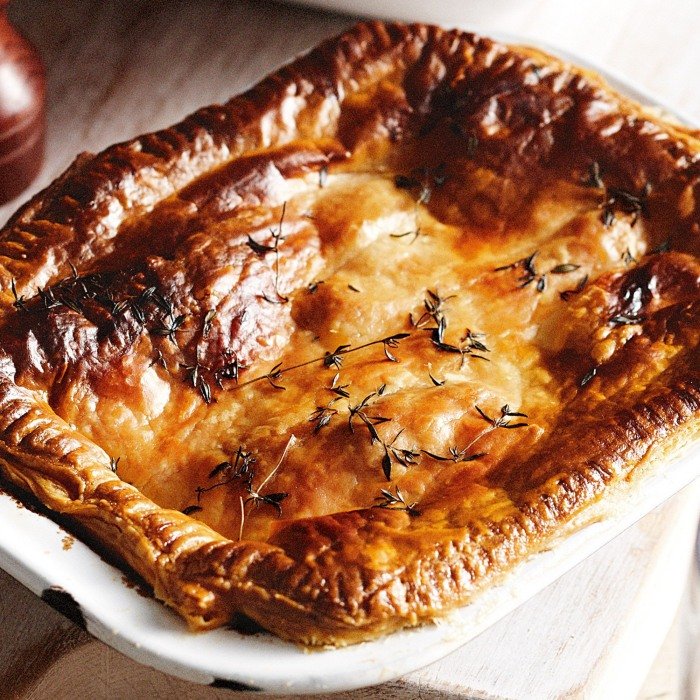

The shape of the cuisine
Three pillars to anchor what you cook.
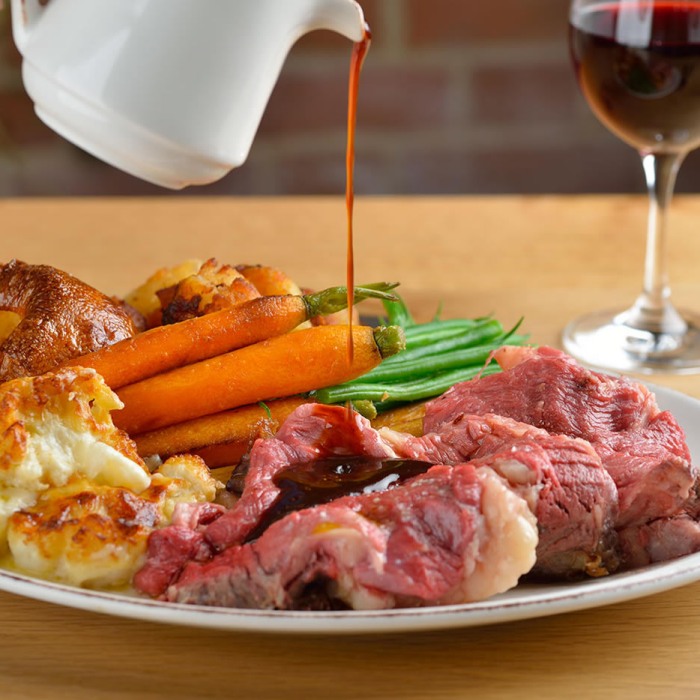
The Sunday roast
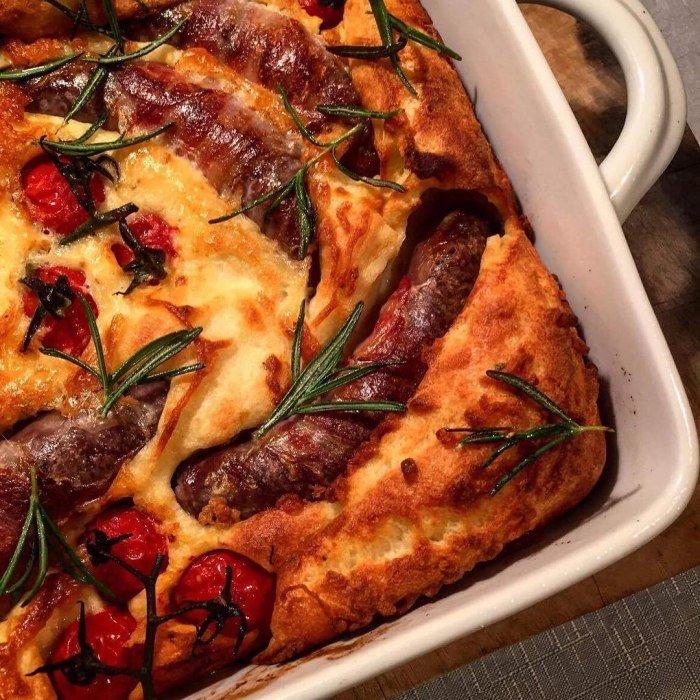
Roast beef, lamb, chicken, or pork; roast potatoes (parboiled, then crisped in beef dripping or duck fat); Yorkshire pudding; gravy made from the pan; one or two vegetables (peas, carrots, parsnips, sometimes red cabbage). Centuries-old, and still the cornerstone of British home cooking.
Pies, puddings, and pastry
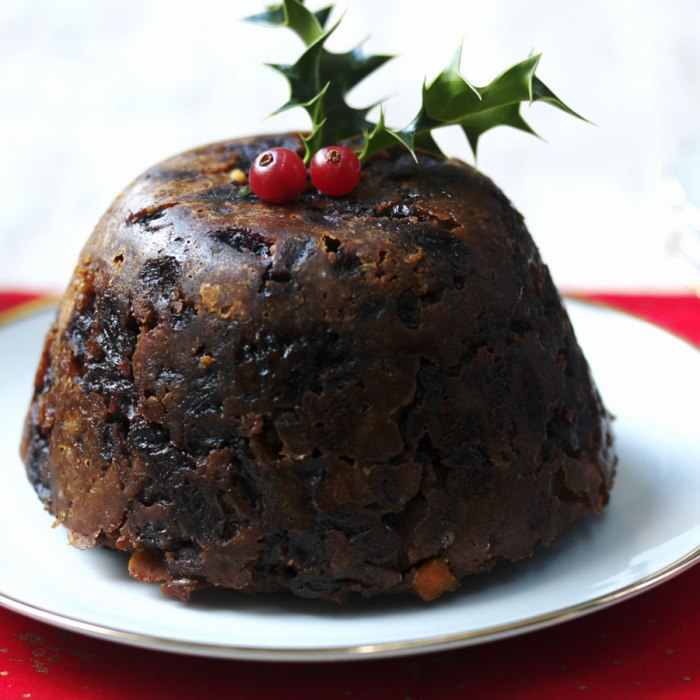
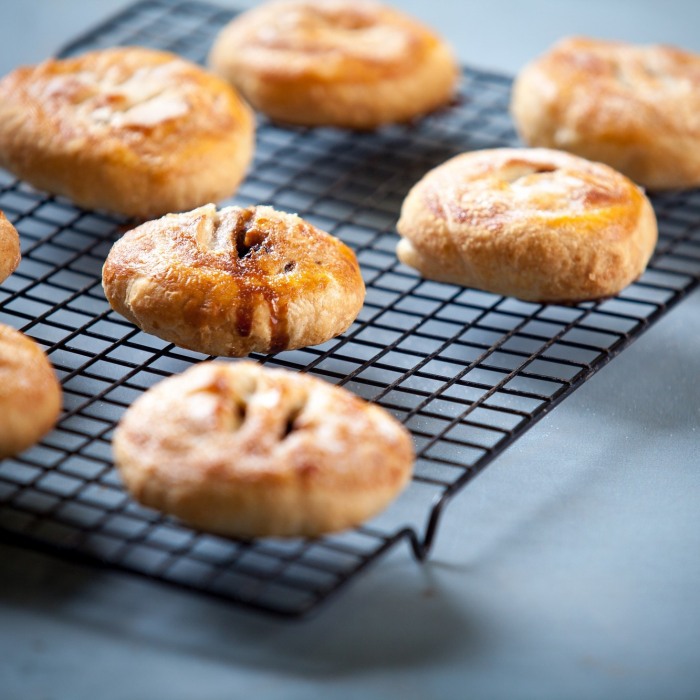
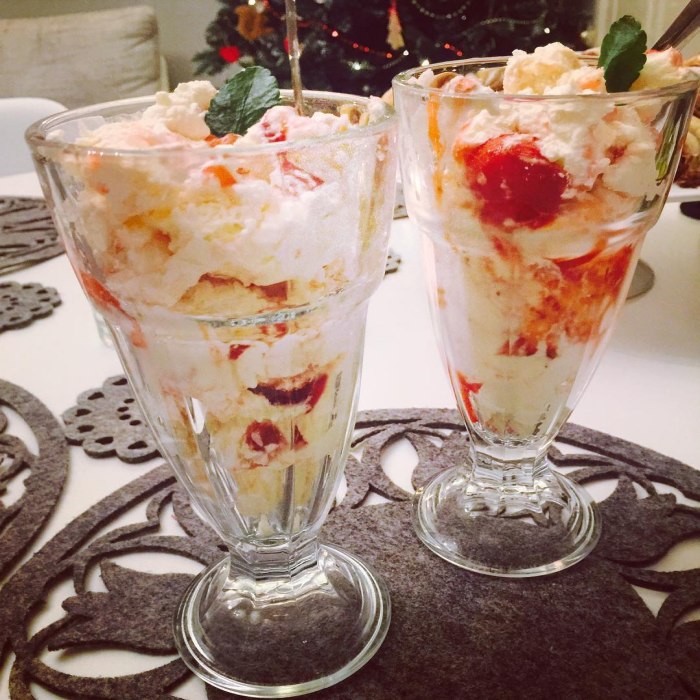
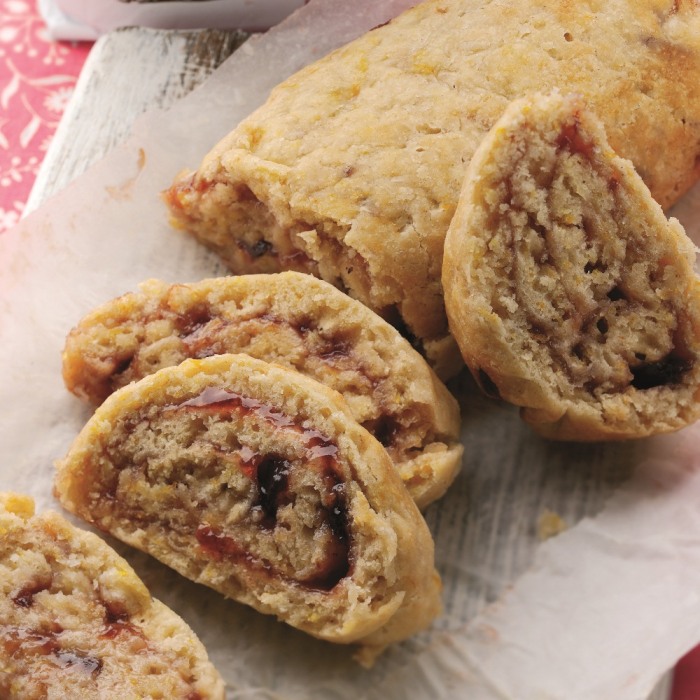
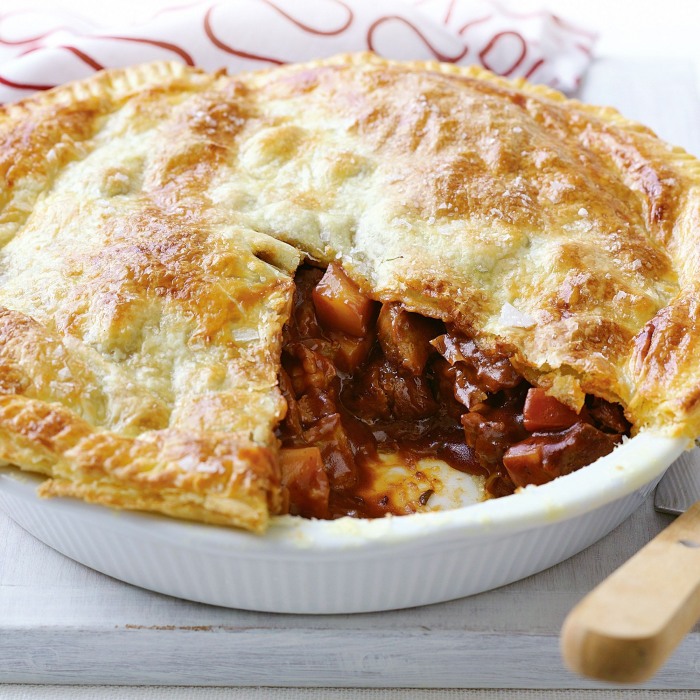
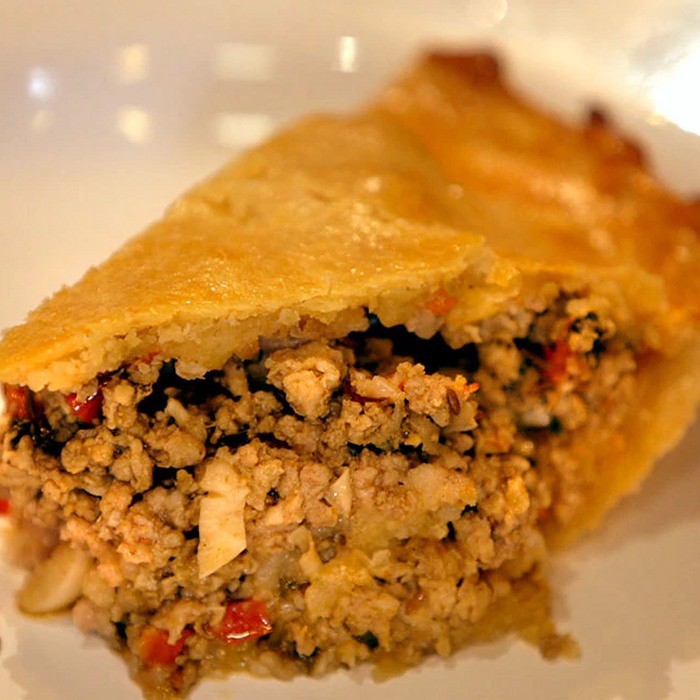
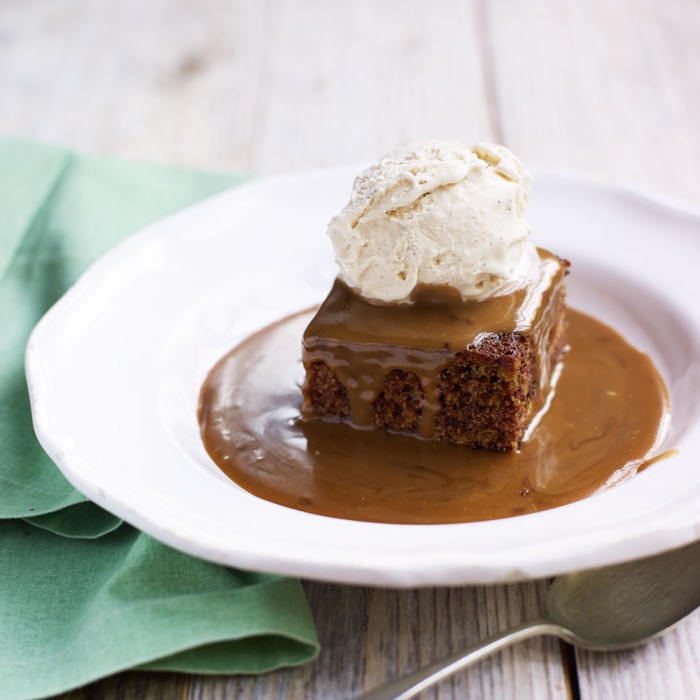
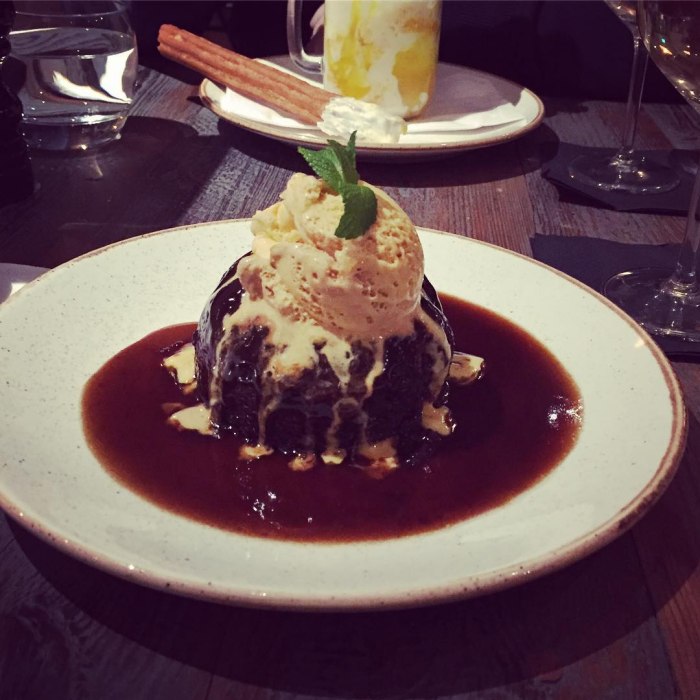
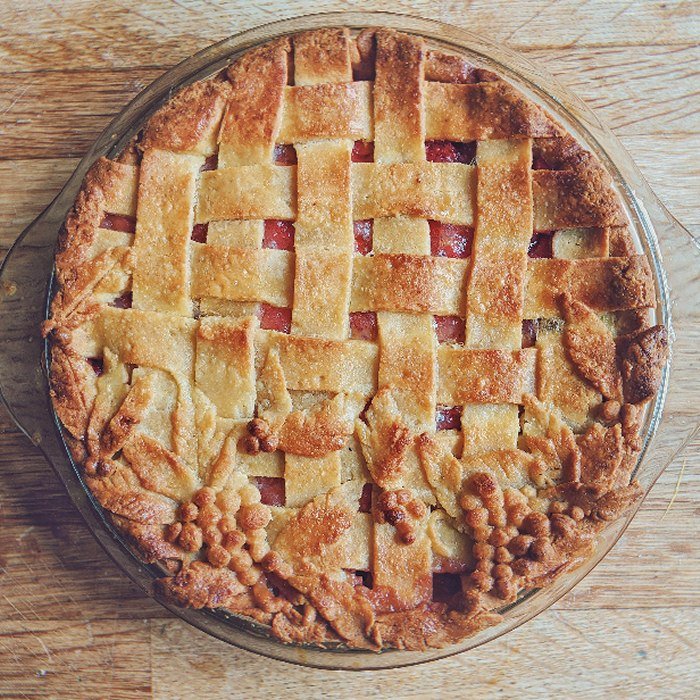
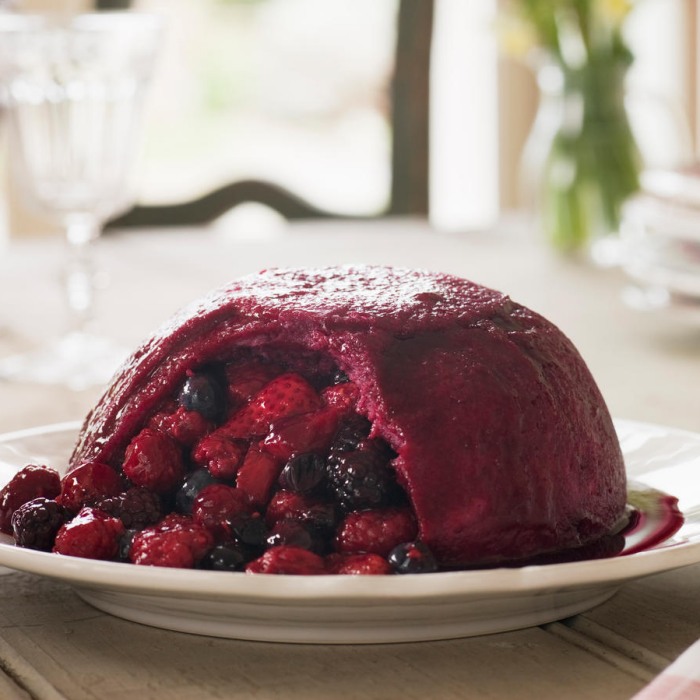
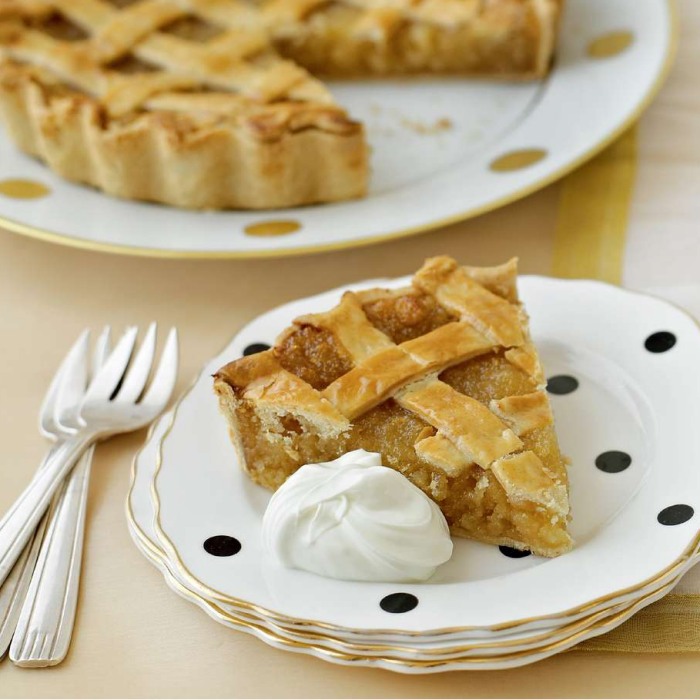
British pastry is its own discipline — rough puff, hot-water crust (for pork pies), suet pastry (for steamed steak-and-kidney). Sweet puddings (sticky toffee, treacle tart, jam roly-poly, summer pudding) are a category most cuisines don't quite have. The Cornish pasty has its own protected status under EU law.
Fish and chips, and the seaside
Cod or haddock in beer batter, deep-fried, served with thick-cut chips, malt vinegar, and either mushy peas or curry sauce. Originated in working-class London in the 1860s as cheap industrial food; remains an institution. Coastal regions add their own takes — Whitstable oysters, Yorkshire kipper, Welsh cockles.
Staple ingredients
The pantry you'll want.
Self-raising flour, plain flour, golden syrup, treacle, suet, beef dripping, mature cheddar, Stilton, double cream, English mustard, malt vinegar, Worcestershire sauce, Marmite, Branston pickle, oats, cured smoked bacon, kippers, mushy peas.
You don't need everything at once. Build the pantry over a few months as recipes call for it; most of these are shelf-stable and useful across cuisines.
Core techniques
A few moves to learn well.
- Resting roast meat properly — at least 15 minutes for chicken, 30 for beef
- Making gravy from the roasting pan with stock and a splash of wine, scraping up the fond
- Keeping pastry cold and handling it as little as possible
- Steaming puddings in a basin set over simmering water for several hours