
Cuisine guide
Spanish
recipes.
Spanish cuisine is regional in a way that puts even Italy to shame — Galicia in the wet northwest cooks utterly differently from Andalusia in the sun-drenched south, which cooks differently again from Catalan-speaking Valencia or the Basque Country. What ties them all together is a Mediterranean foundation (olive oil, garlic, tomatoes, peppers, almonds), the legacy of eight centuries of Moorish presence (saffron, cumin, citrus, the rice that became paella), and a tapas-and-pintxos culture that turns going out to eat into a slow social marathon. Modern Spanish cooking — through Ferran Adrià, the Roca brothers, and the Basque pintxos scene — has been one of the most influential forces in world cuisine for the past thirty years.
Editorial guide reviewed
Recipes from Spanish
48 dishes to cook from



The shape of the cuisine
Three pillars to anchor what you cook.
Tapas, pintxos, and the small-plate culture
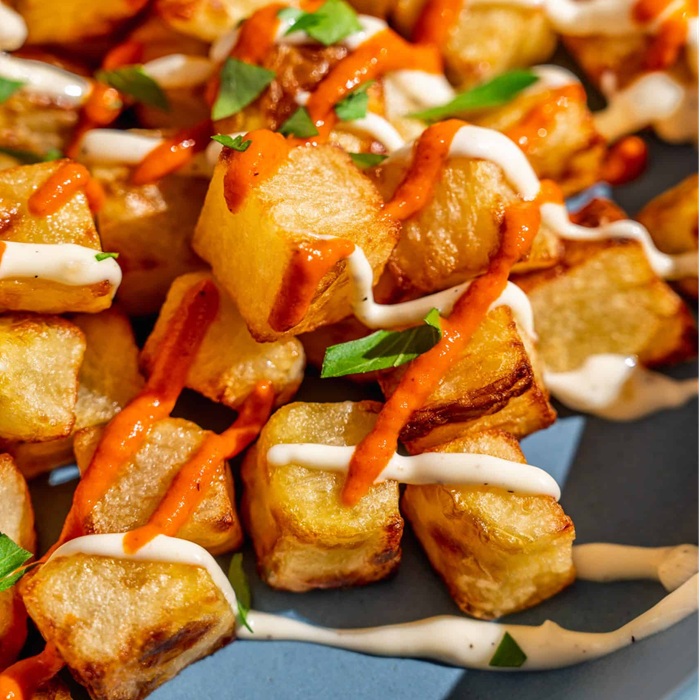
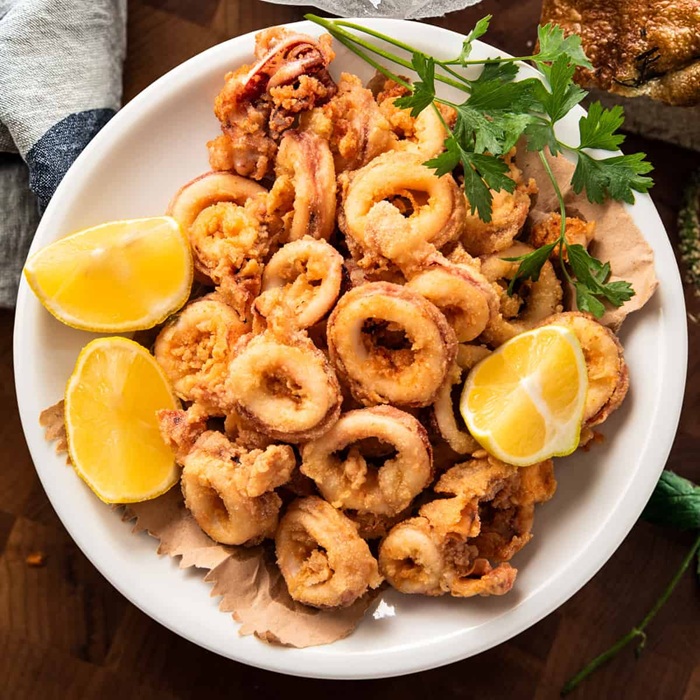
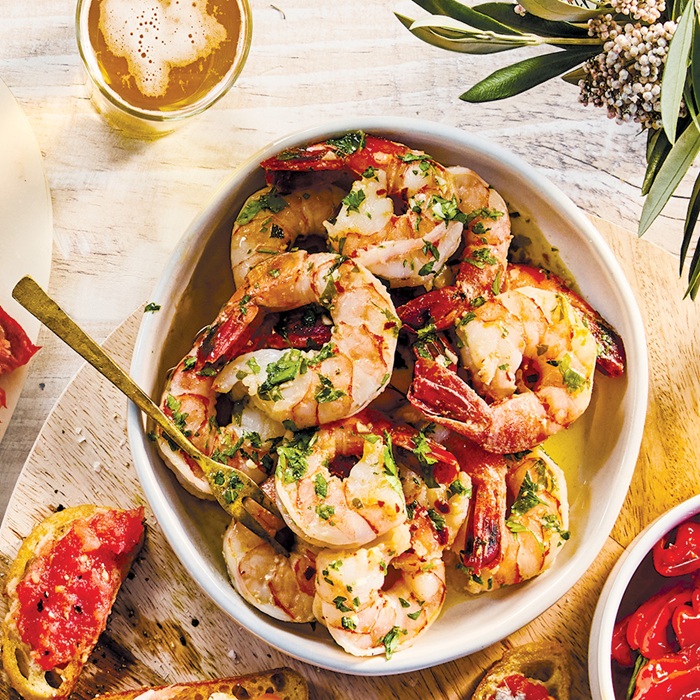
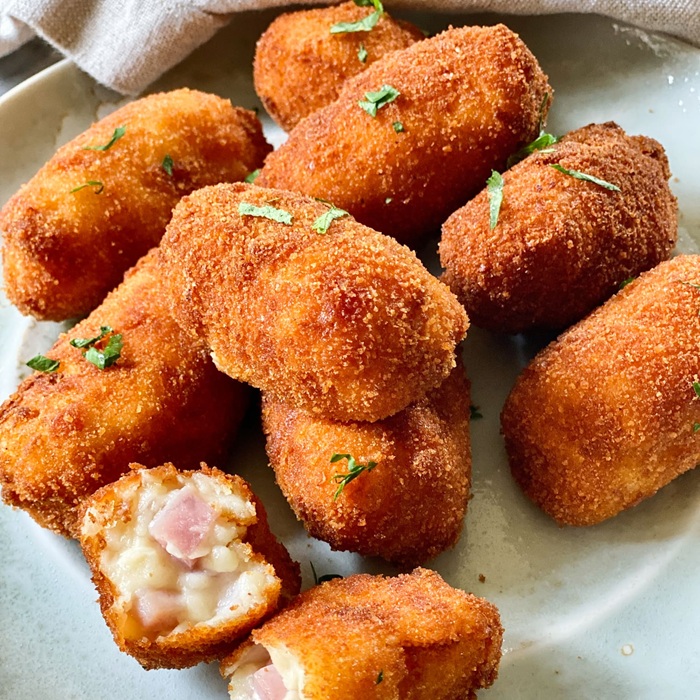
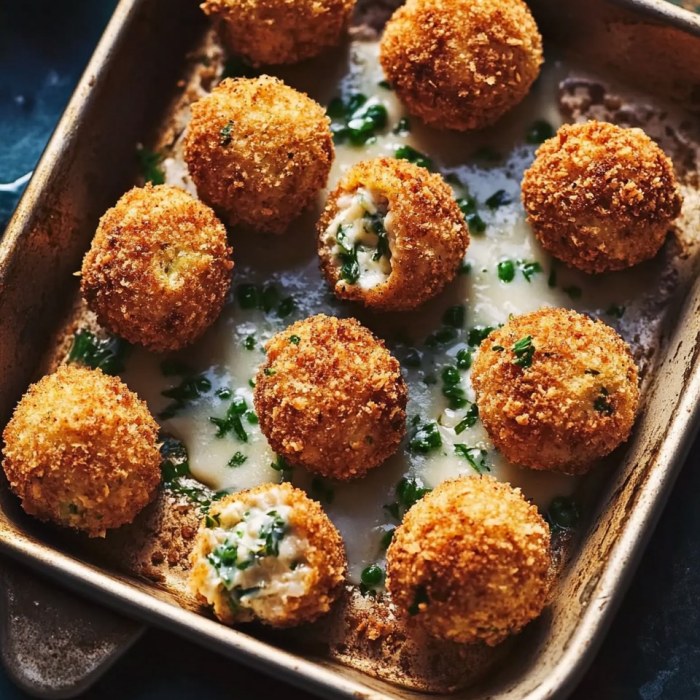
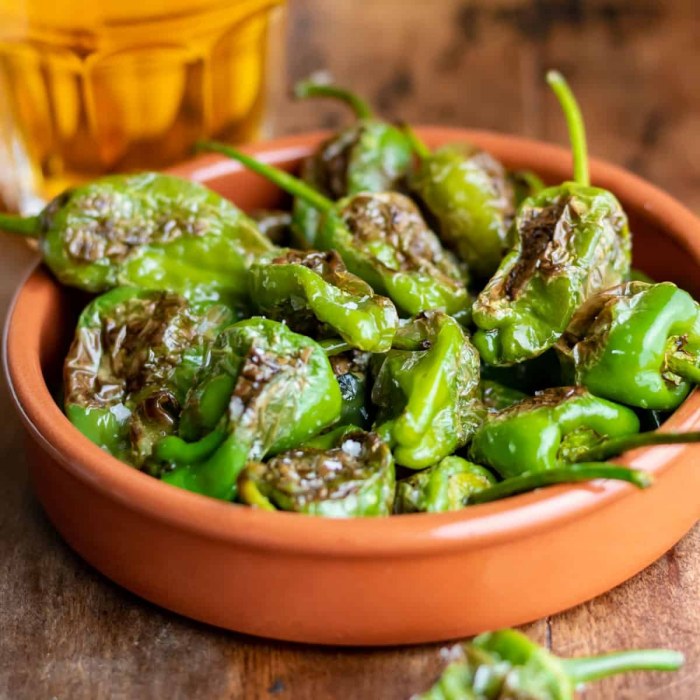
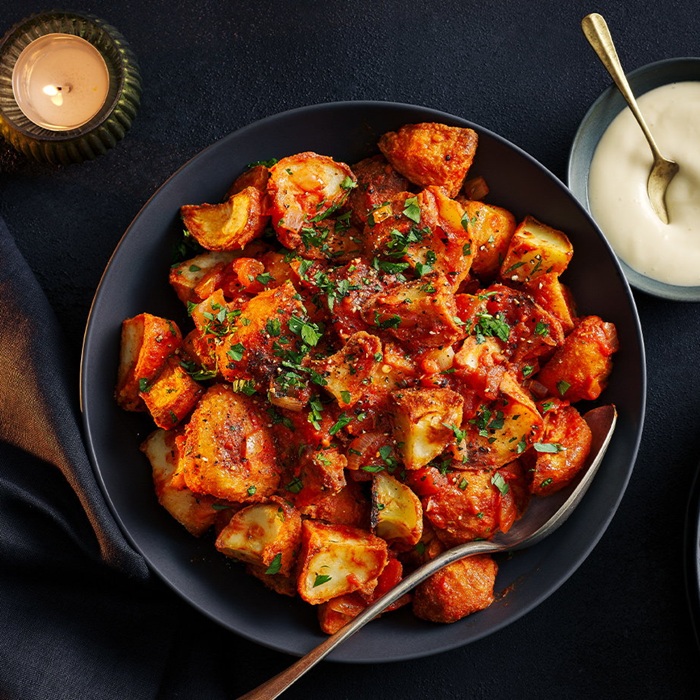
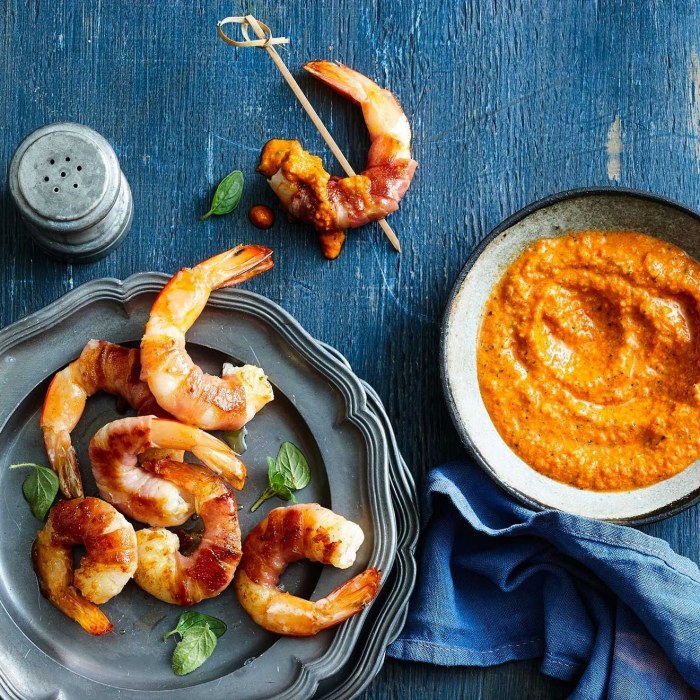
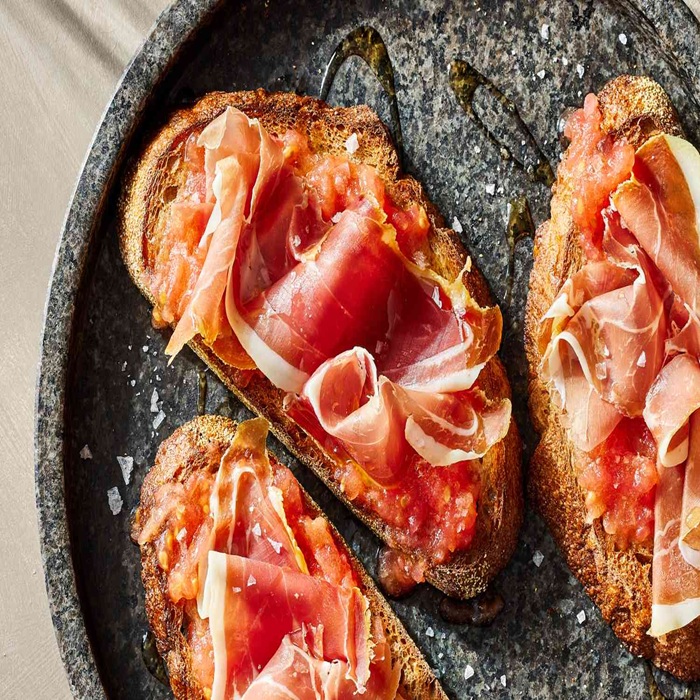
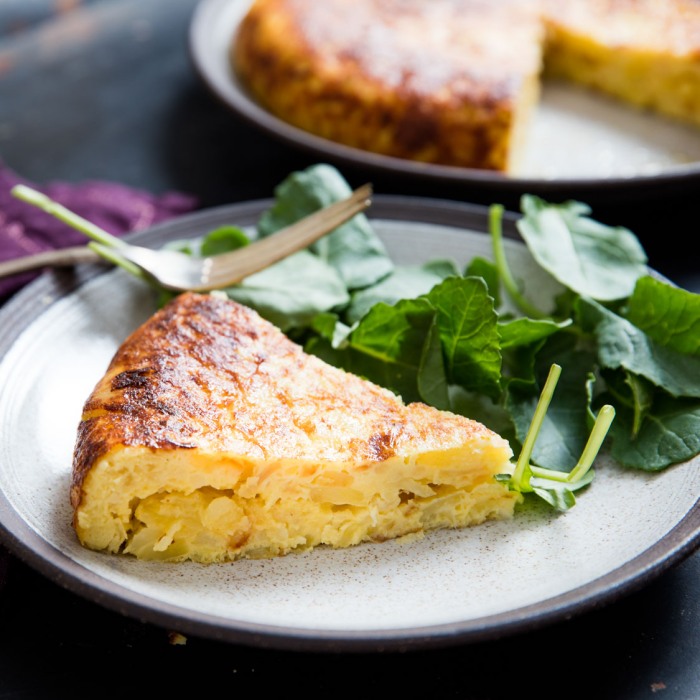
The Spanish bar is a national institution — small plates of jamón, croquetas, patatas bravas, gambas al ajillo, eaten standing up with a beer or a glass of fino. Pintxos are the Basque version, more elaborate, often skewered with a toothpick.
Rice country (Valencia and the Levante)
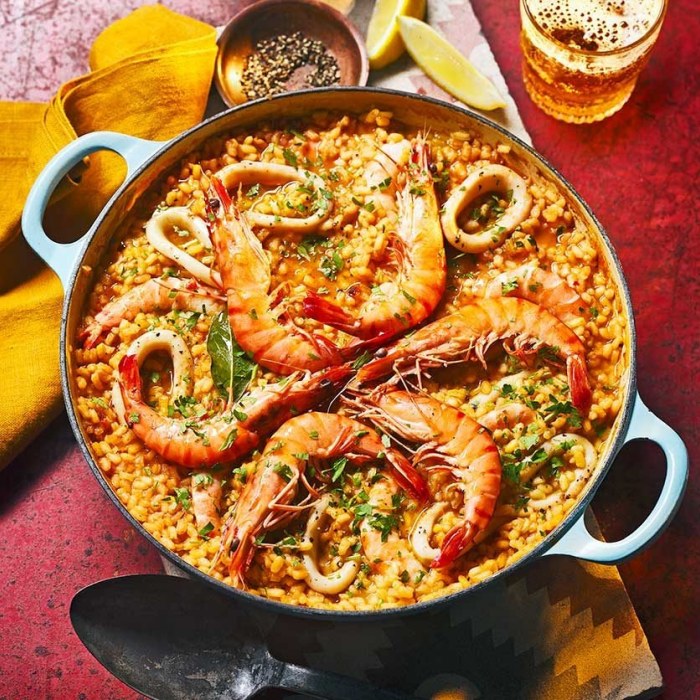
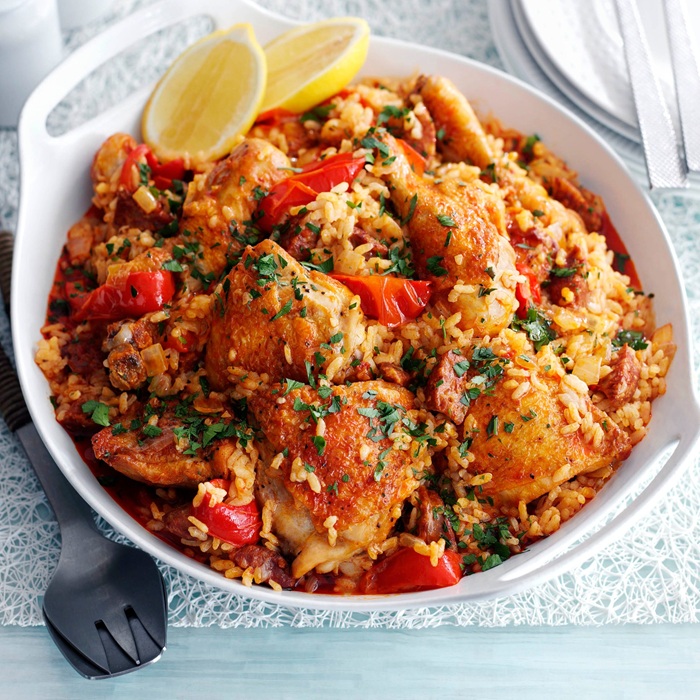
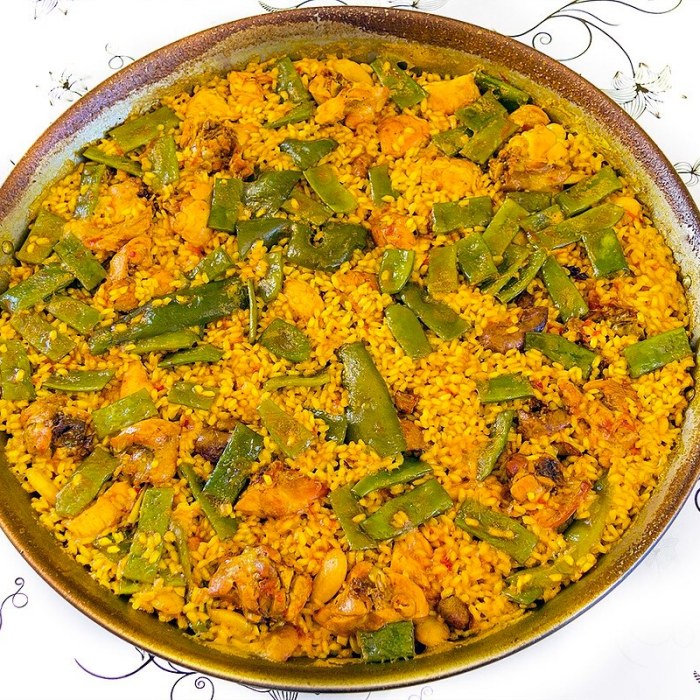
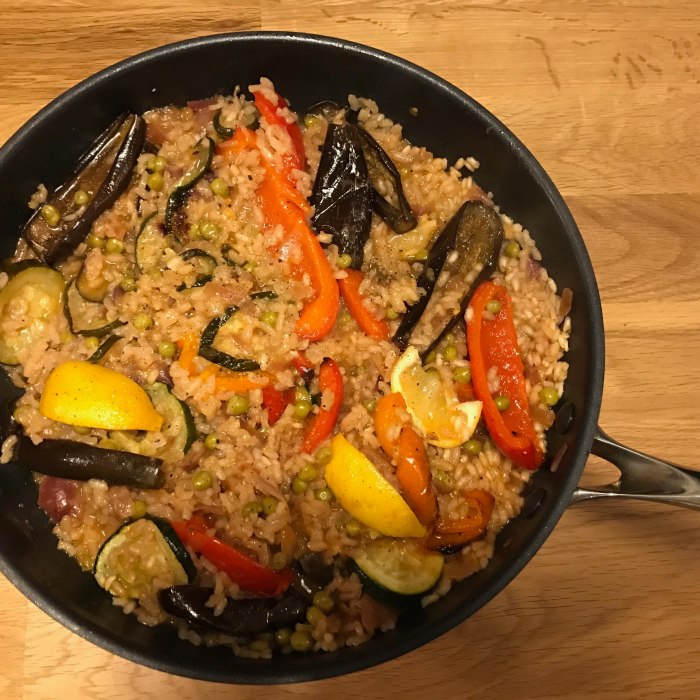
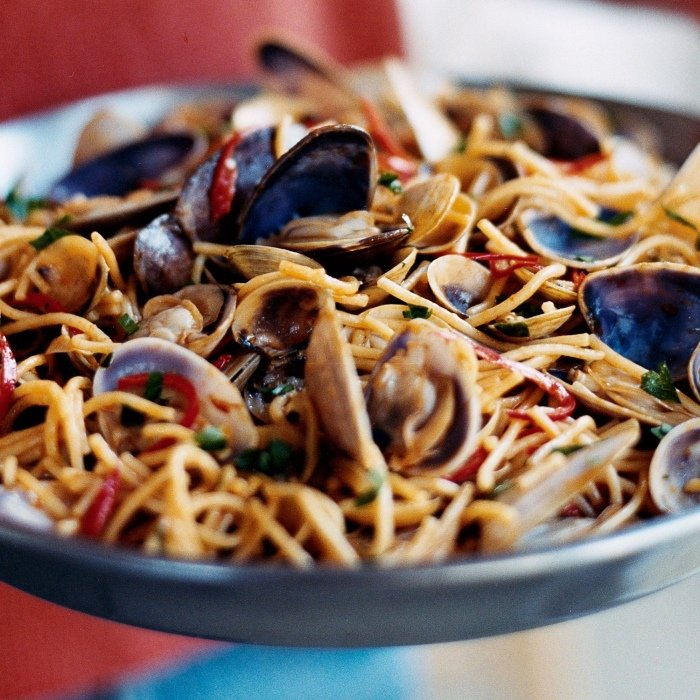
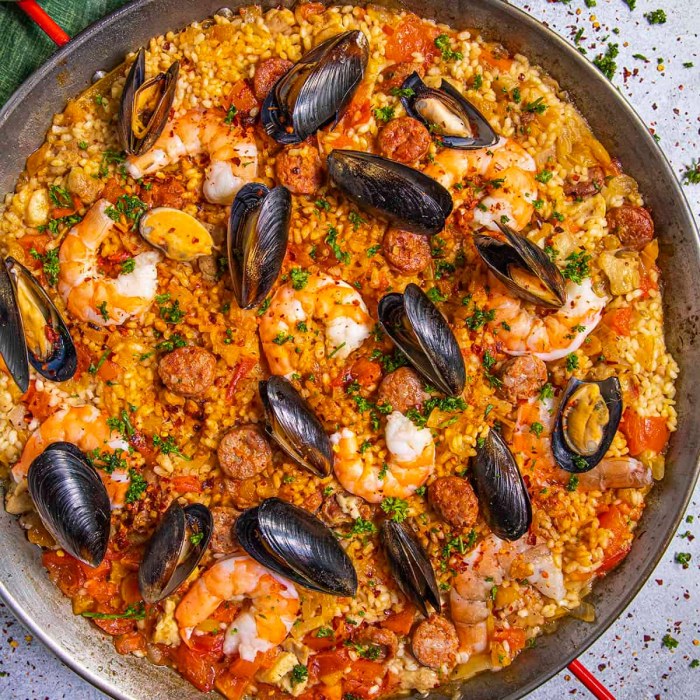
Paella valenciana is the original — rabbit, snails, butter beans, rosemary, saffron, no chorizo and no seafood despite what Anglophone restaurants serve. Other rice traditions include arroz negro (squid-ink black rice), arroz caldoso (soupier), and fideuà (made with thin pasta instead).
The cured-pork tradition
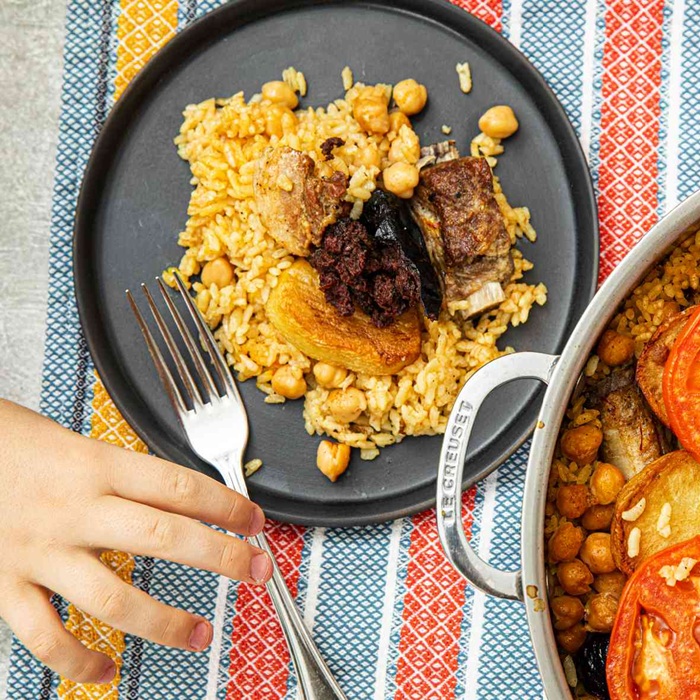
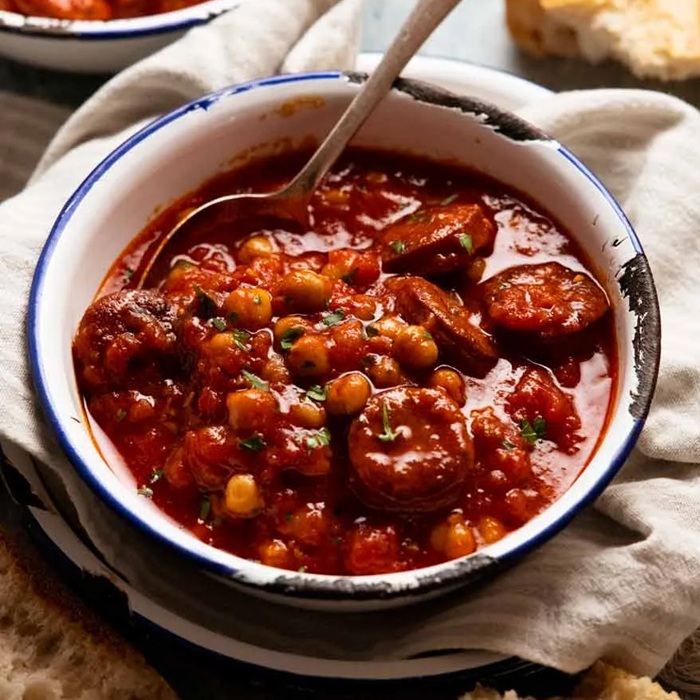
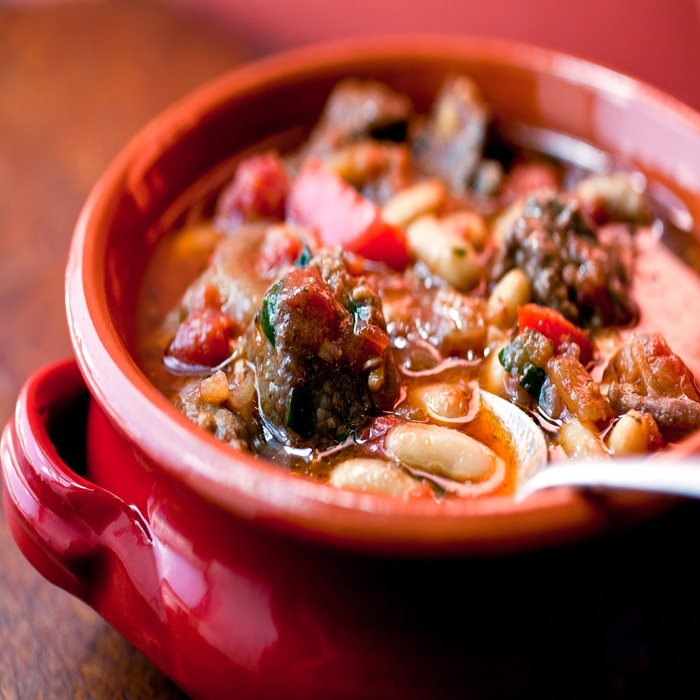
Jamón ibérico (from black-hoofed pigs fed on acorns) is one of the world's great cured meats; jamón serrano is its more accessible cousin. Chorizo (paprika-cured), morcilla (blood sausage), lomo (cured pork loin), and the pork-fat backbone of dishes like fabada and cocido madrileño.
Staple ingredients
The pantry you'll want.
Spanish olive oil, smoked sweet and hot paprika (pimentón de la Vera), saffron, sherry vinegar, fino and oloroso sherry for cooking, jamón, chorizo, manchego, piquillo peppers, dried bacalao, bomba or calasparra rice, chickpeas, sweet onion, flat-leaf parsley, garlic, almonds.
You don't need everything at once. Build the pantry over a few months as recipes call for it; most of these are shelf-stable and useful across cuisines.
Core techniques
A few moves to learn well.
- Building sofrito — onion, tomato, sometimes garlic and pepper — slowly in olive oil as the base of most rice and stew dishes
- Cooking paella in a wide, thin layer to create the prized socarrat (the toasted rice crust on the bottom)
- Curing fish or meat with salt as a flavour-concentration technique
- Using sherry vinegar where other Mediterranean cuisines would use wine vinegar