
Cuisine guide
Thai
recipes.
Thai cooking is famously about balance — every dish is built around the interplay of salty (fish sauce), sweet (palm sugar), sour (lime, tamarind), hot (chillies), and umami (fermented seafood, oyster sauce). The technique is fast and aromatic: pounded curry pastes fried in coconut cream, stir-fries done over violent heat, raw salads (yum) dressed and tossed à la minute. Thai food is also one of the world's great street-food cuisines, with dishes designed to be cooked at speed, eaten one at a time, and shared at the table.
Editorial guide reviewed
Recipes from Thai
27 dishes to cook from

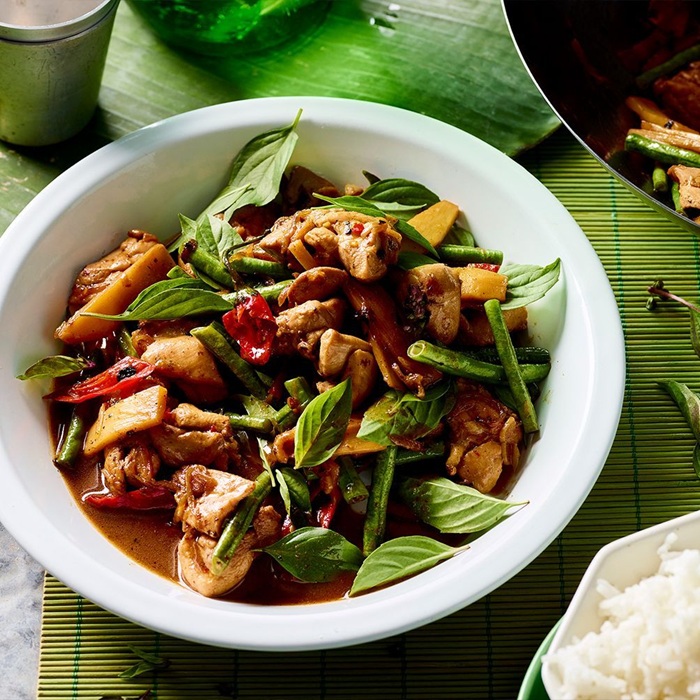
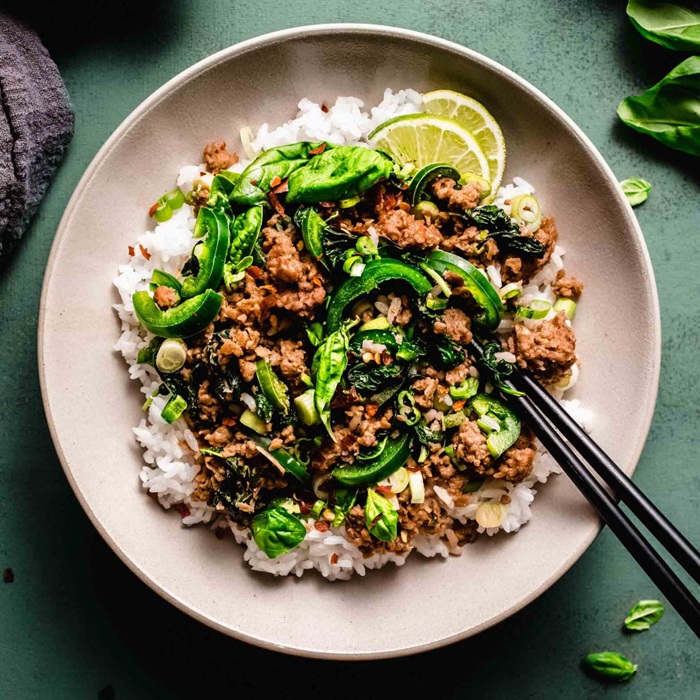
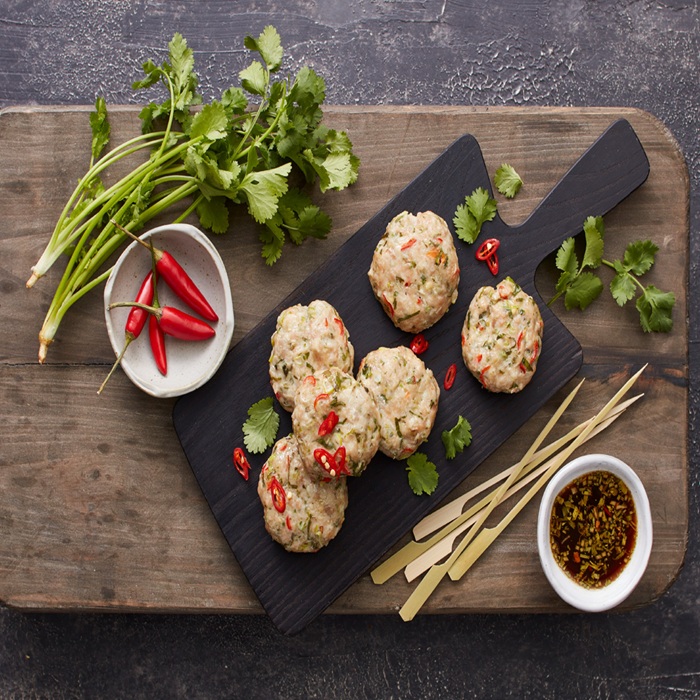
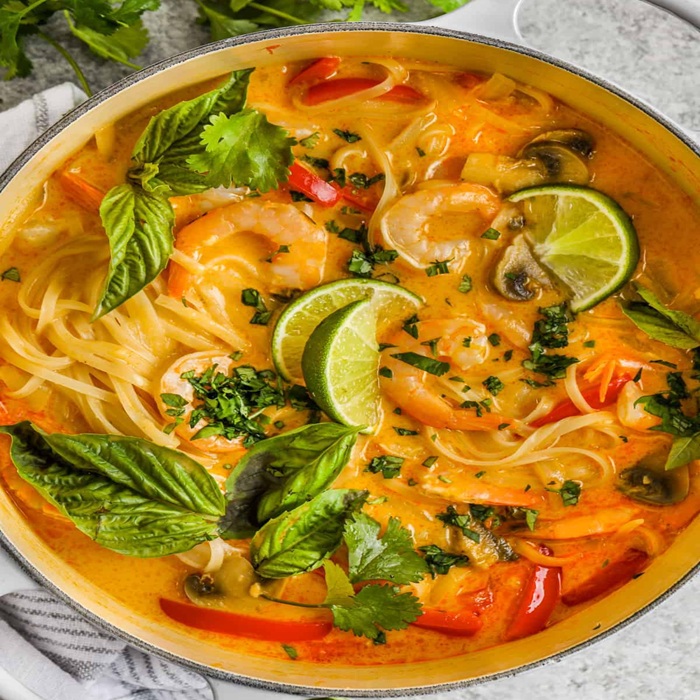
The shape of the cuisine
Three pillars to anchor what you cook.
Curry pastes
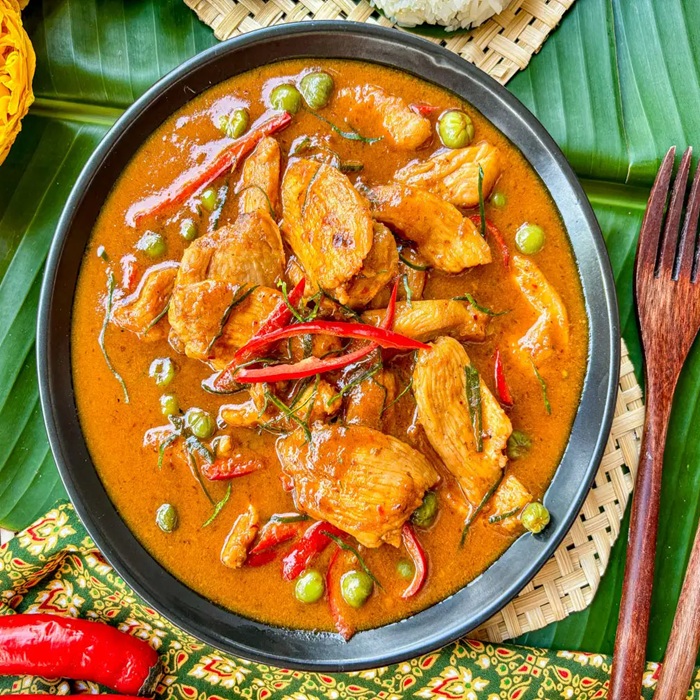
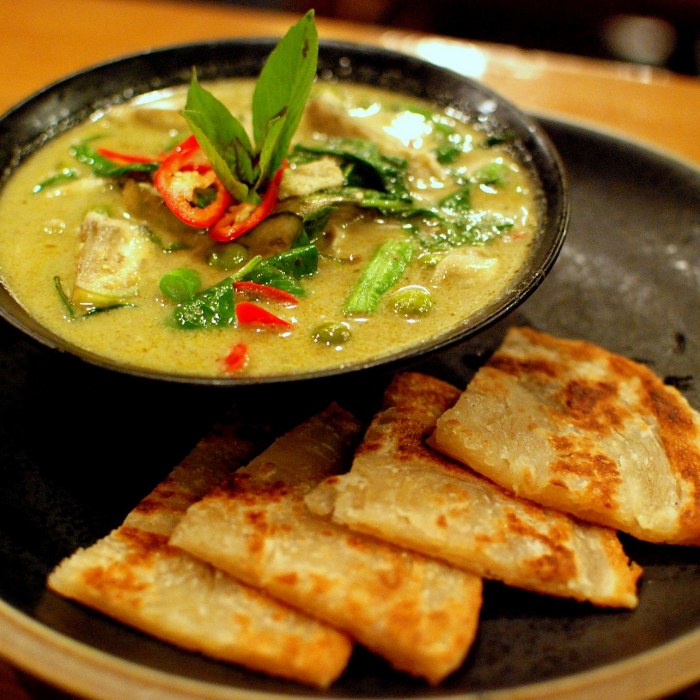
The mortar and pestle is non-optional. Red, green, yellow, massaman, panang, jungle — each is a precise blend of dry spices, fresh aromatics (galangal, lemongrass, kaffir lime), shrimp paste, and chillies, pounded in sequence to build flavour. Blender pastes are workable but flatter.
Wok cooking
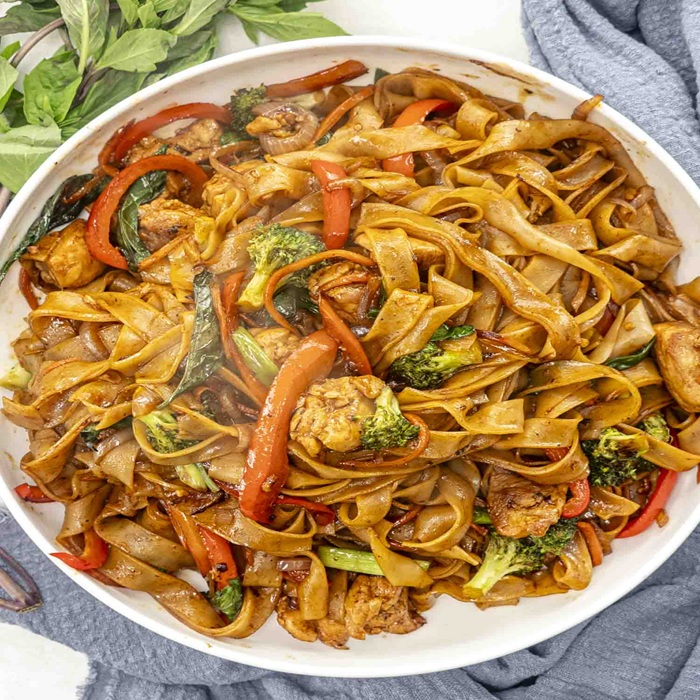
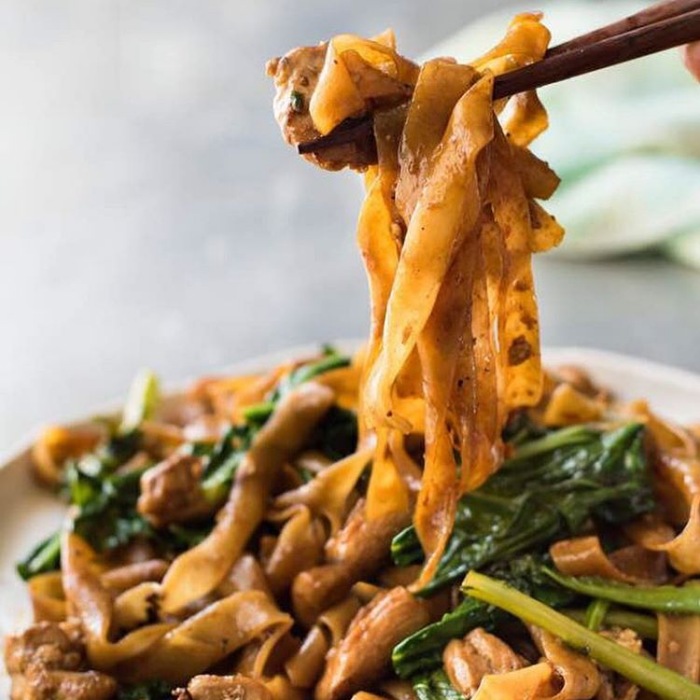
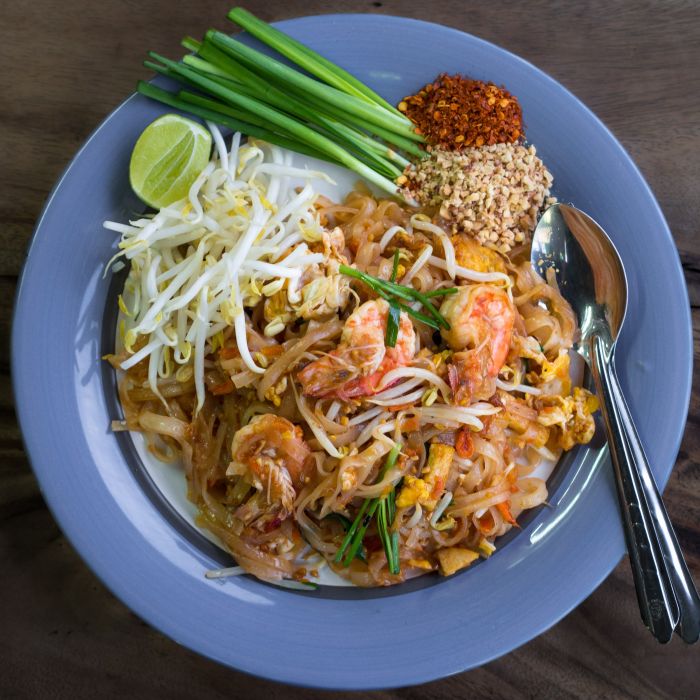
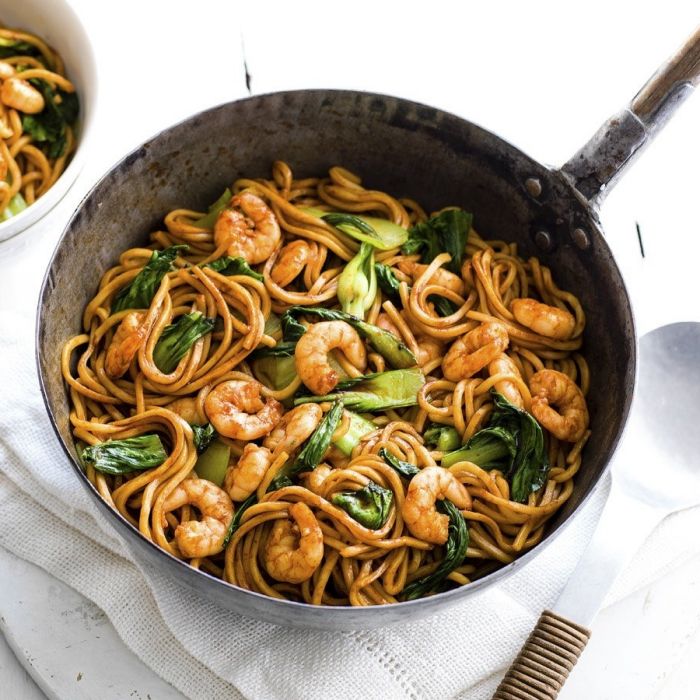
Stir-fries (pad thai, pad see ew, pad krapow) cook in 3–5 minutes over the highest heat your stove can muster. The Thai term wok hei — 'breath of the wok' — describes the smoky, slightly charred quality that comes from real flame contact, hard to reproduce on a home electric burner.
Salads (yum) and soups (tom)
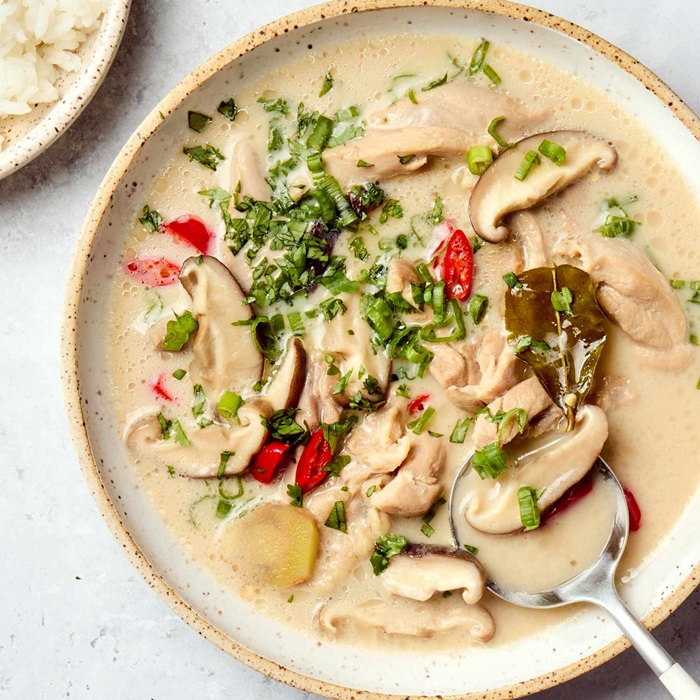
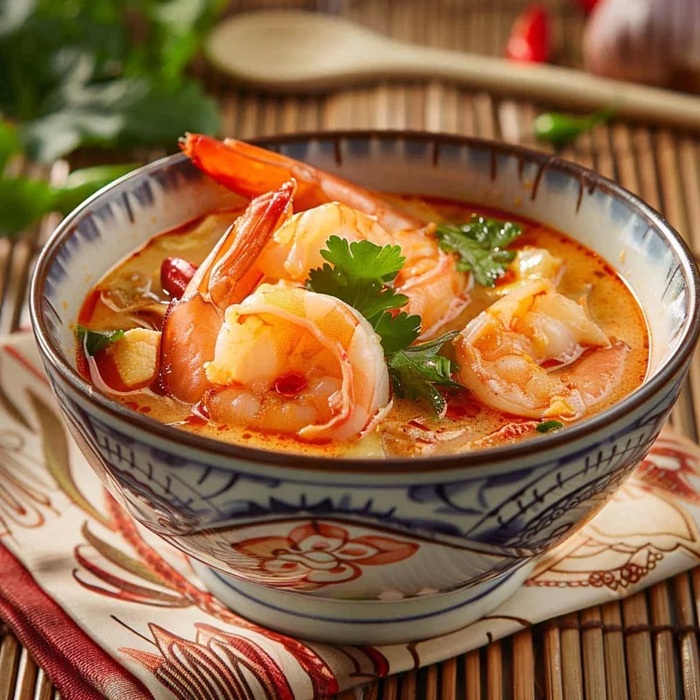
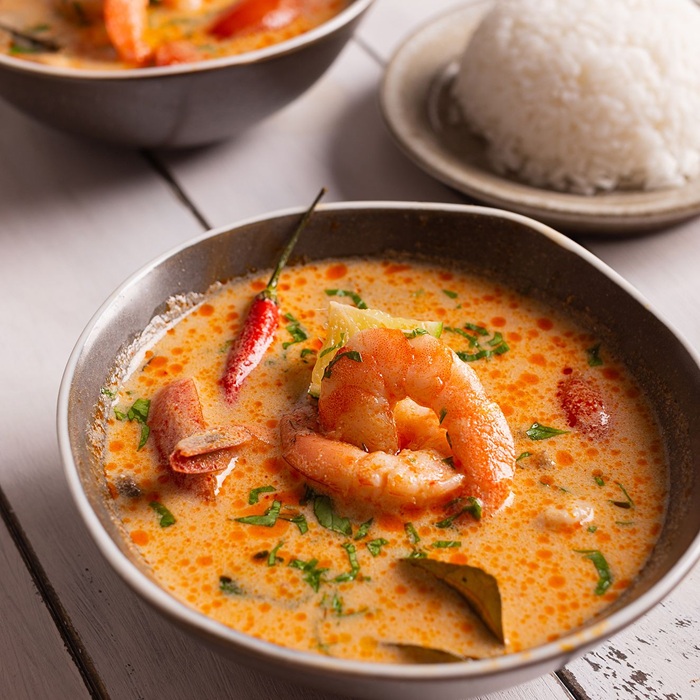
Yum dishes are pounded or tossed with lime, fish sauce, sugar, chillies — green papaya salad (som tum) is the canonical example. Tom yum and tom kha are clear, aromatic broths, not the thick coconut-curry the West sometimes assumes.
Staple ingredients
The pantry you'll want.
Fish sauce (nam pla), palm sugar, tamarind paste, kaffir lime leaves, galangal, lemongrass, Thai basil and holy basil (krapow), bird's-eye chillies, jasmine rice, sticky rice, rice noodles in several widths, oyster sauce, coconut milk and cream, dried shrimp.
You don't need everything at once. Build the pantry over a few months as recipes call for it; most of these are shelf-stable and useful across cuisines.
Core techniques
A few moves to learn well.
- Frying curry paste in coconut cream until the oil splits, before adding stock
- Tasting as you go — adjusting salty, sweet, sour, hot until each is just present
- Toasting rice for nam tok and other isaan salads
- Soaking rice noodles in cold water rather than boiling them