
Cuisine guide
Japanese
recipes.
Japanese cooking treats ingredients with what the rest of the world might recognise as reverence — a single piece of fish, a hand-pressed tofu, a bowl of perfectly polished rice. The five-flavour, five-colour, five-method principle (gomi, goshiki, gohō) underlies everything from kaiseki to a workday bento. Western readers tend to know the cuisine through sushi and ramen — both legitimate but both relatively recent (sushi as we know it is a 19th-century innovation; ramen is a 20th-century import-from-China that became Japanese) — while the older heart of the cuisine is in dashi, miso, soy, mirin, and the patient seasonal use of vegetables.
Editorial guide reviewed
Recipes from Japanese
9 dishes to cook from
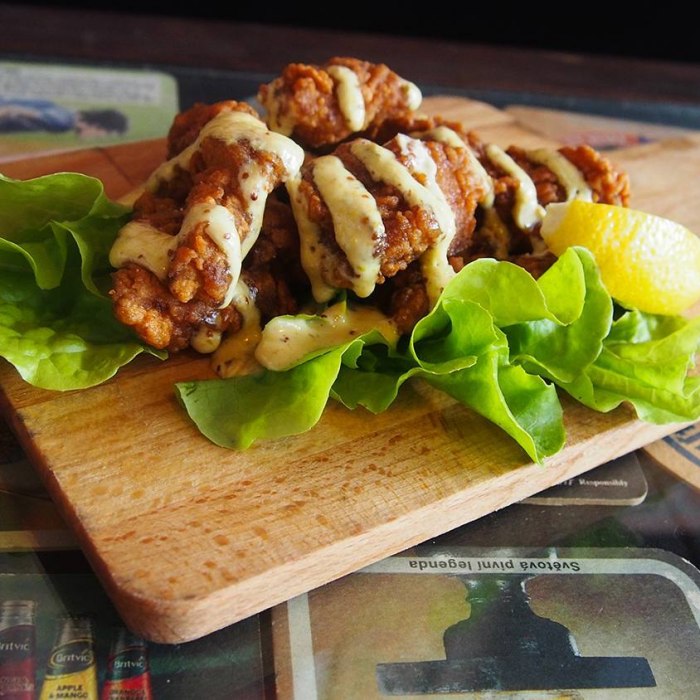
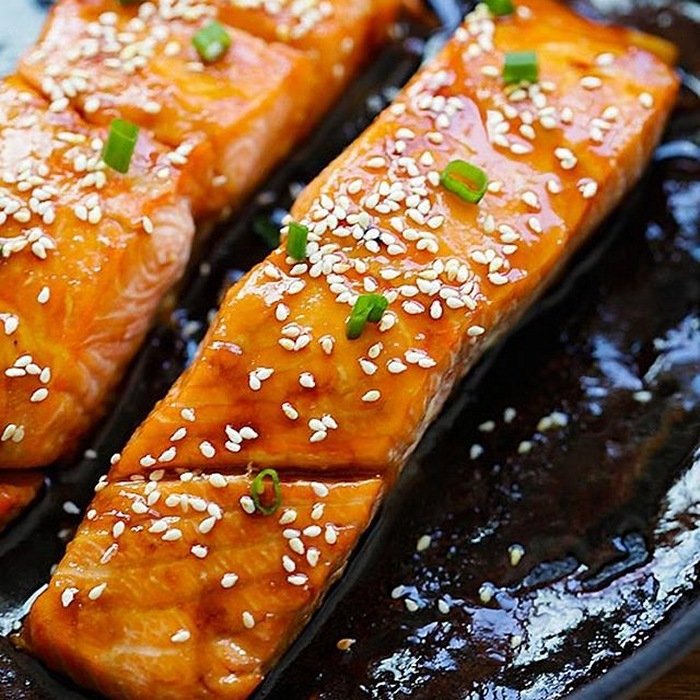
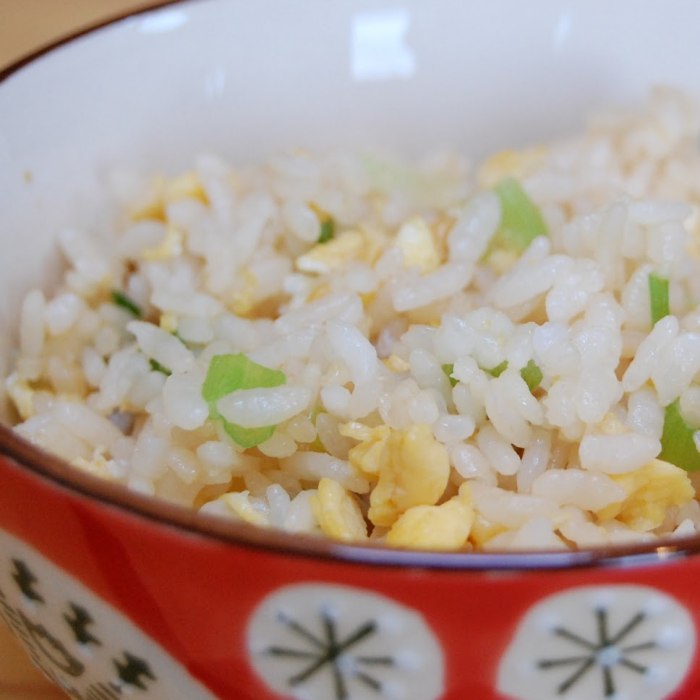
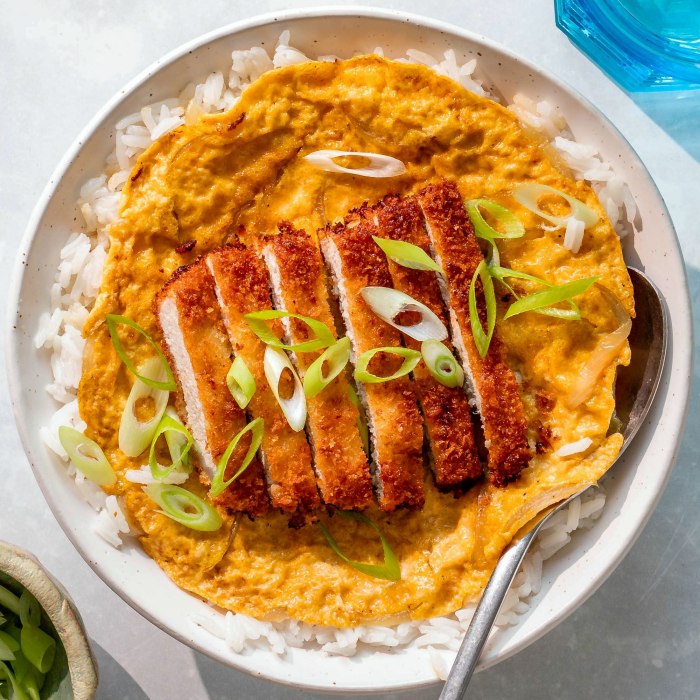
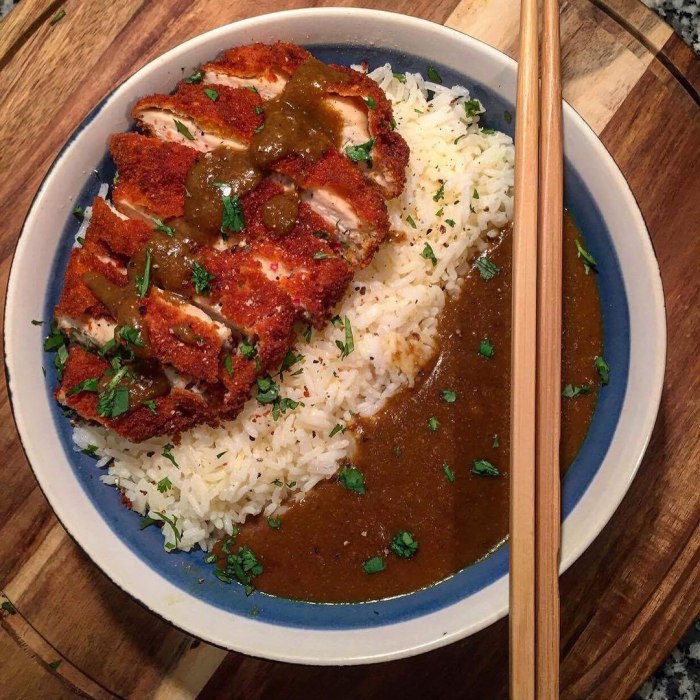
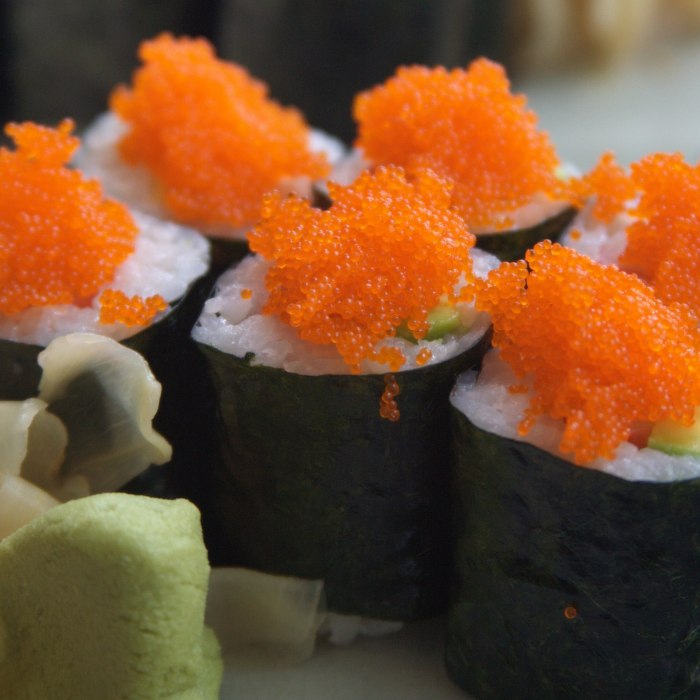
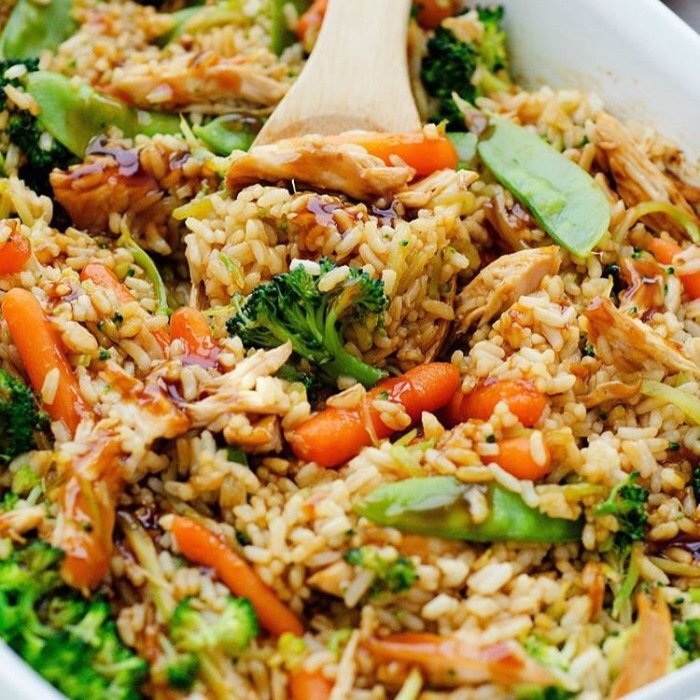
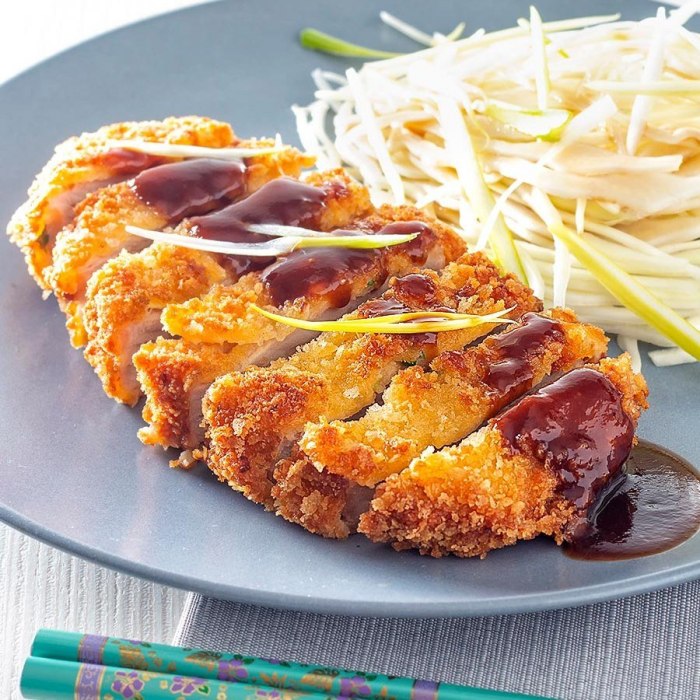
The shape of the cuisine
Three pillars to anchor what you cook.
Dashi as foundation
Almost every traditional Japanese savoury dish starts with dashi — kombu (kelp) and katsuobushi (smoked, dried, fermented bonito) steeped briefly in hot water. It's the backbone of miso soup, of nimono braises, of chawanmushi. Substitute powdered dashi if you must; make it from scratch when you can.
Rice and the carbohydrates around it
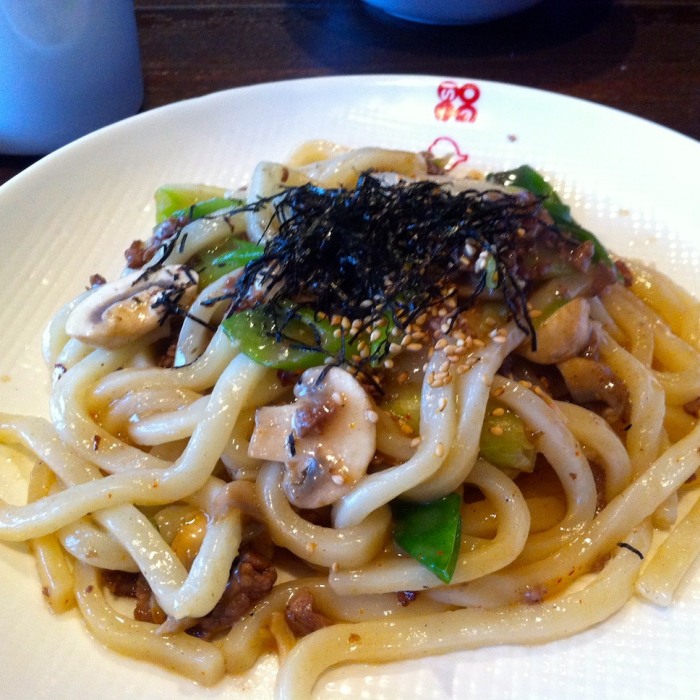
Polished short-grain rice cooked carefully and served on its own merits, not as a vehicle for sauce. Beyond rice: udon (thick wheat noodles, often in dashi-based broth), soba (buckwheat noodles, served hot or cold), and ramen (thin wheat noodles in a long-cooked stock).
Pickling, preservation, and seasonality
Tsukemono (pickled vegetables) appear at almost every traditional meal — daikon, cucumbers, plums, ginger, all in different brines. The seasonal calendar (shun) is taken seriously; certain fish, vegetables, and fruits are eaten only at their peak.
Staple ingredients
The pantry you'll want.
Short-grain Japanese rice, kombu, katsuobushi, miso (white shiro, red aka, mixed awase), soy sauce (koikuchi or usukuchi), mirin, rice vinegar, sake for cooking, panko, nori, wasabi, pickled ginger.
You don't need everything at once. Build the pantry over a few months as recipes call for it; most of these are shelf-stable and useful across cuisines.
Core techniques
A few moves to learn well.
- Cooking rice with a precise water ratio and a covered, undisturbed rest
- Salting fish 15–30 minutes ahead to draw out moisture before grilling (shio-yaki)
- Building a clear dashi without overheating it — kombu pulled before it boils
- Knife work — kireba (the Japanese cutting board) and the discipline of even, very thin slices