
Category guide
Beef
recipes.
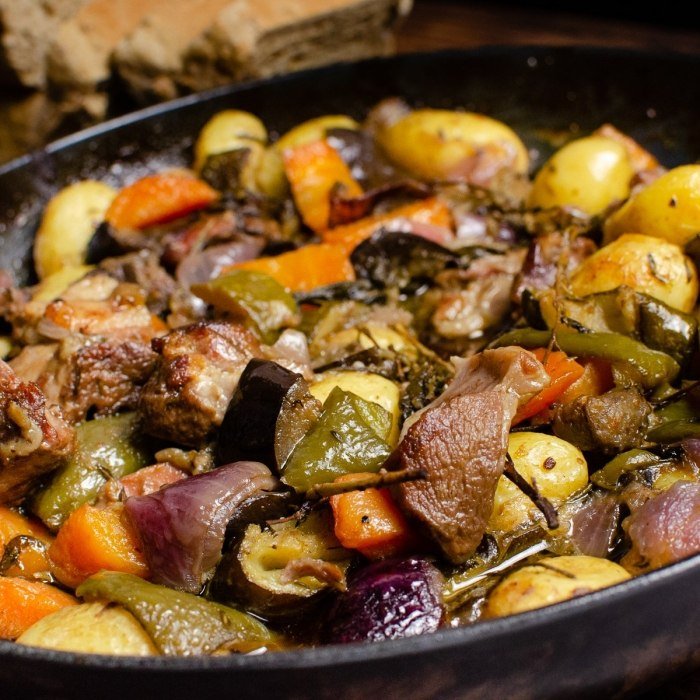
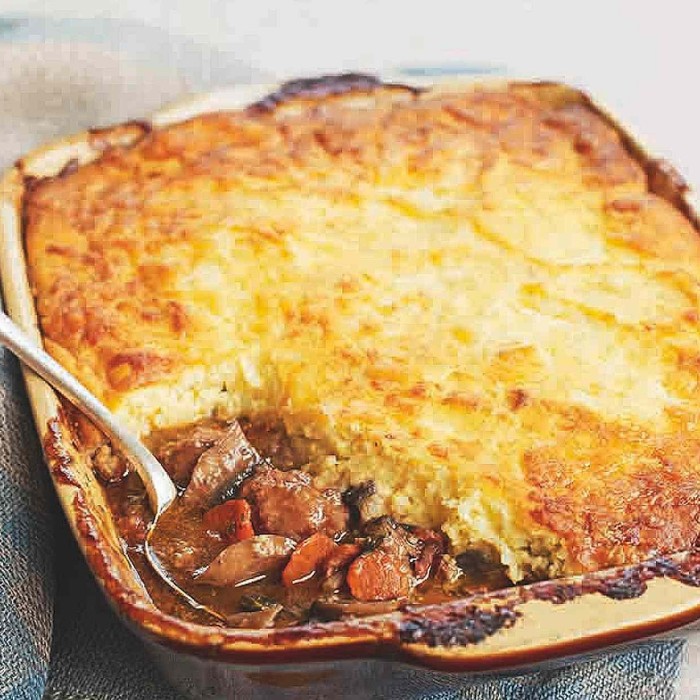
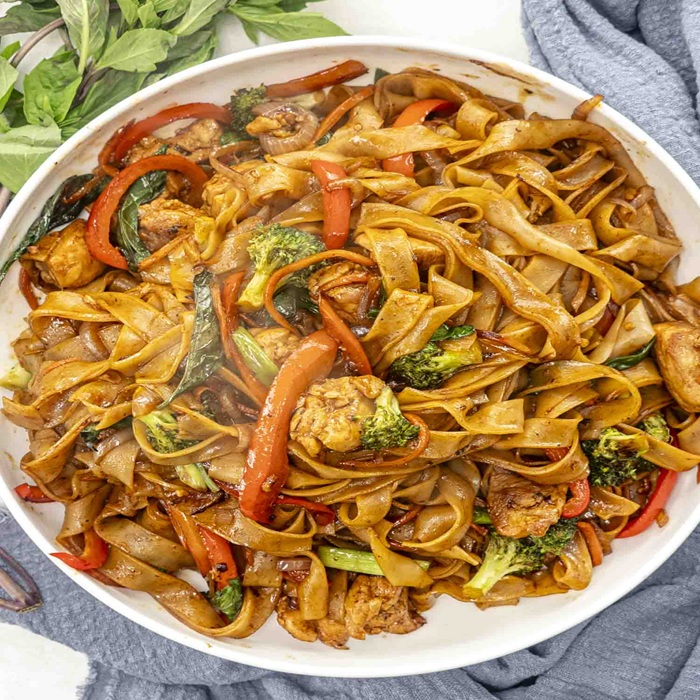
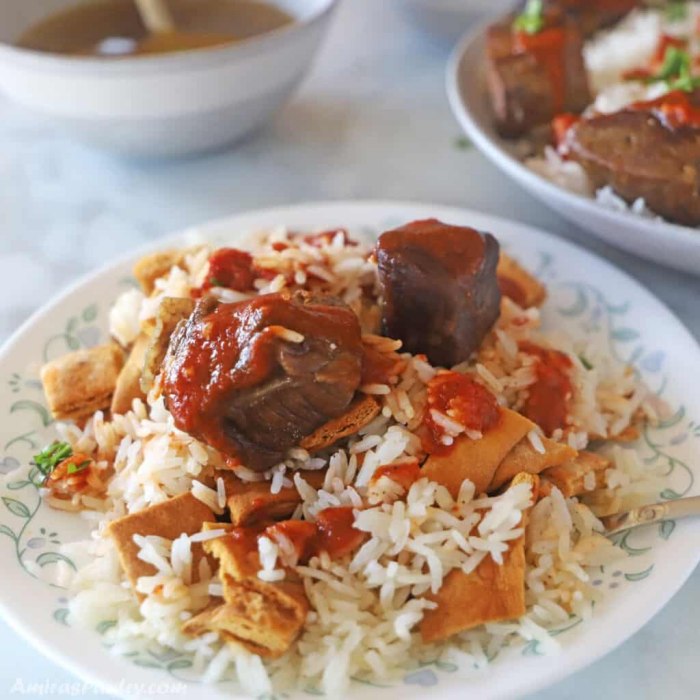
Beef cooks across a wider temperature and time range than any other common meat. A ribeye wants thirty seconds per side over violent heat; a chuck roast wants four hours at 300 °F until the collagen surrenders. The cut tells you the technique: tender muscles (loin, rib, tenderloin) for fast high-heat cooking, hard-working muscles (shoulder, brisket, shank, cheek) for low-and-slow braising, and ground beef for everything in between. Master those three categories and you can cook beef confidently across every cuisine — from a French daube to a Korean bulgogi to a Texan brisket.
Editorial guide reviewed
Beef recipes
95 dishes to cook from
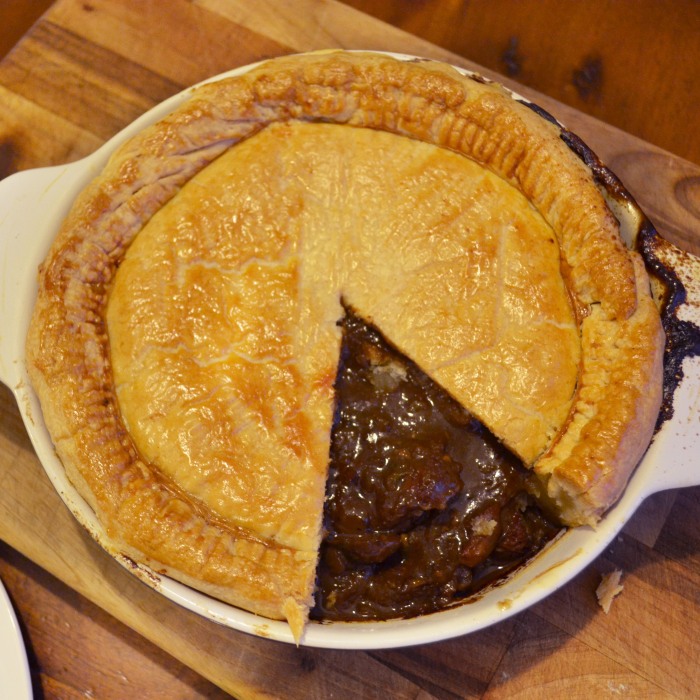
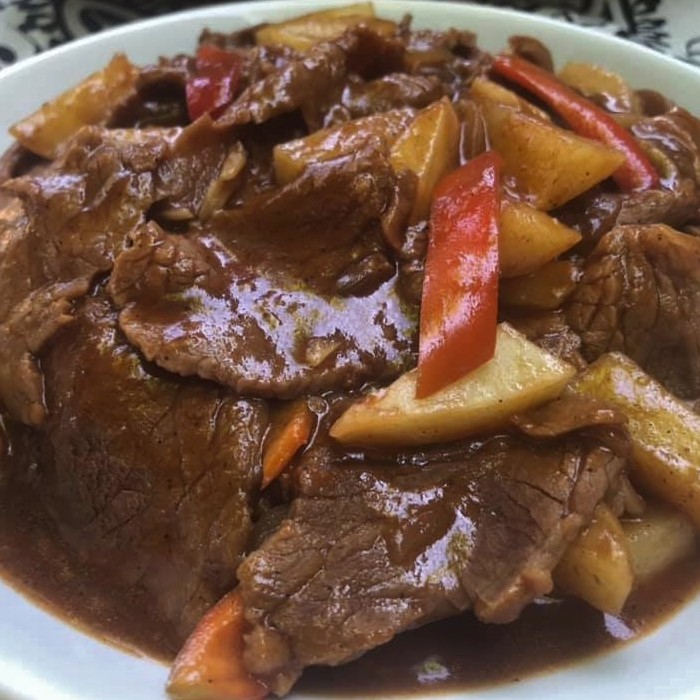
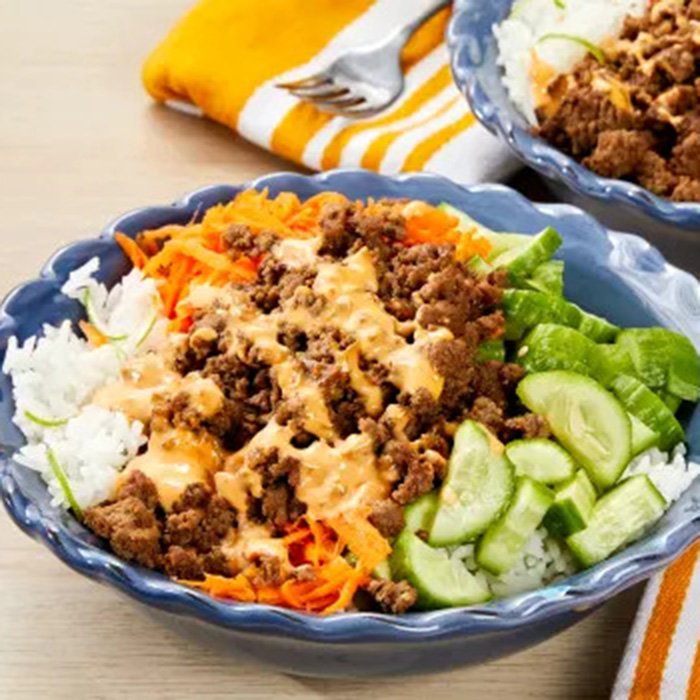
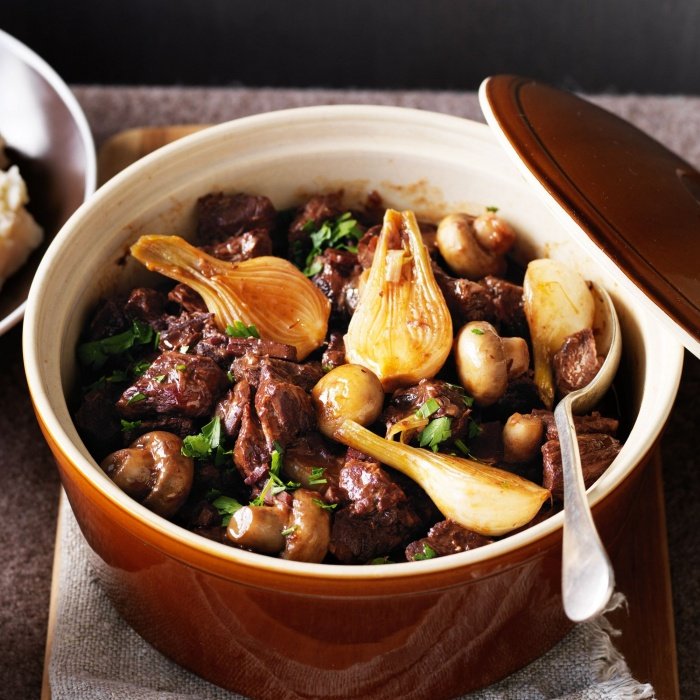

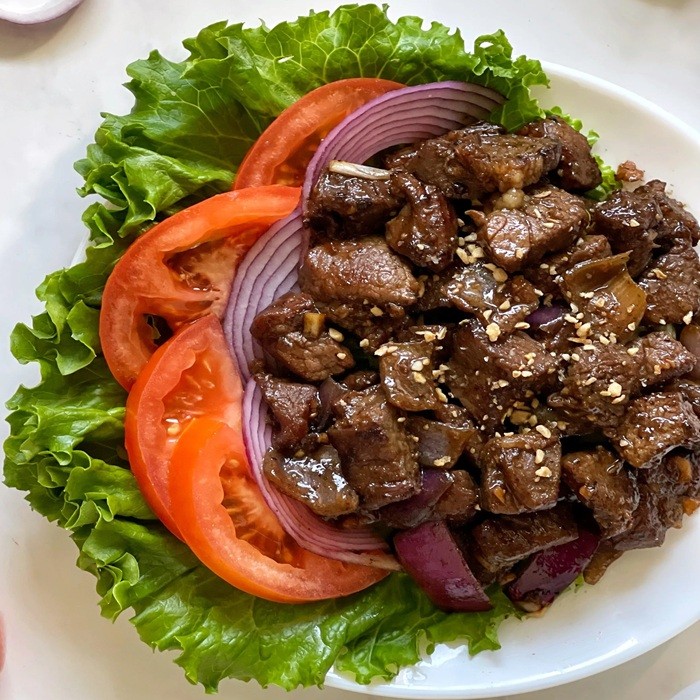
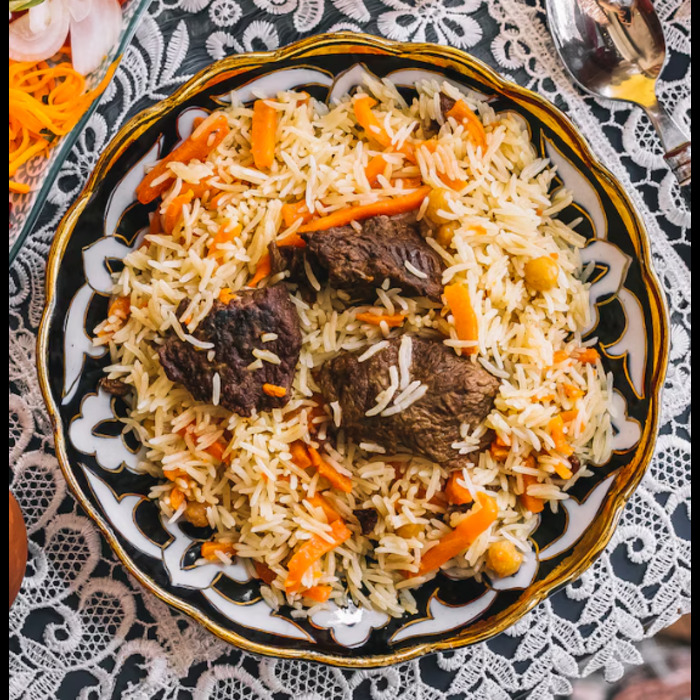
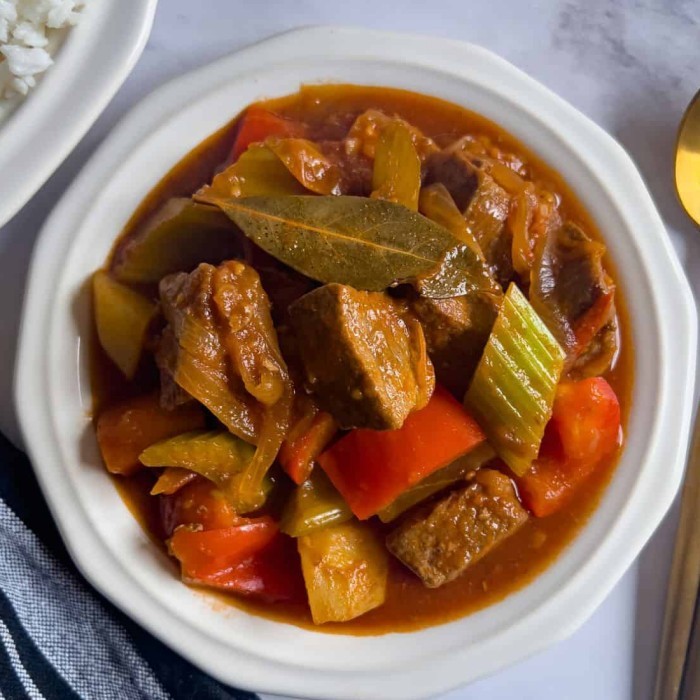

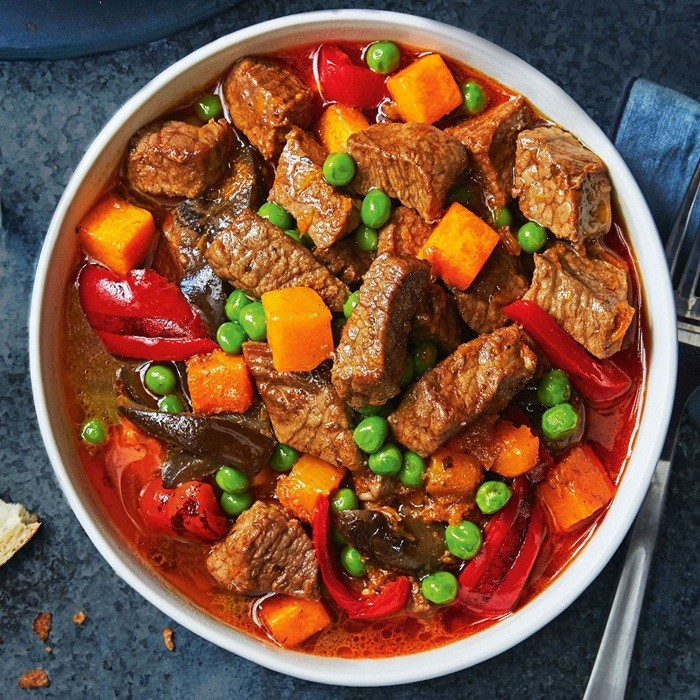
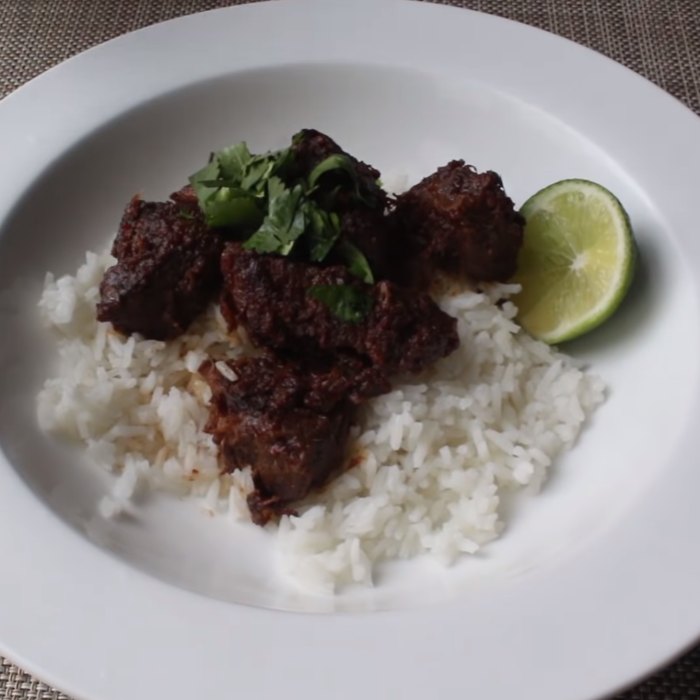
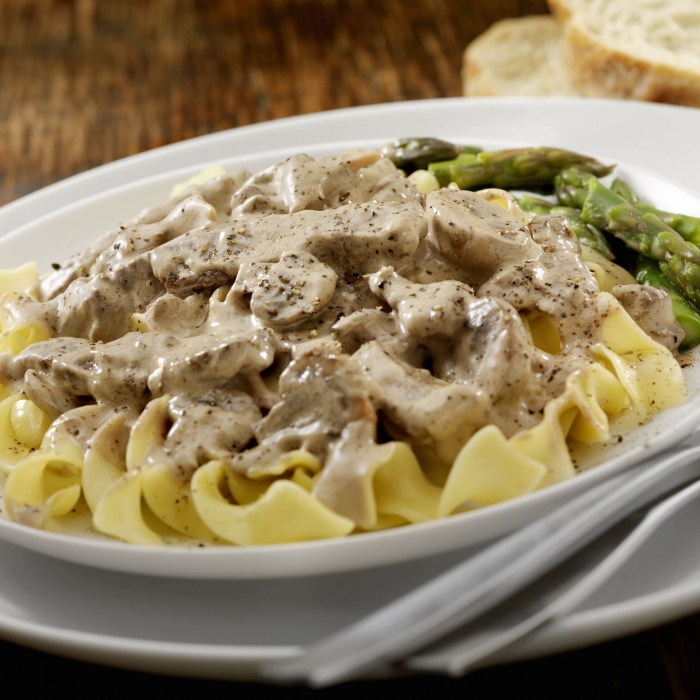
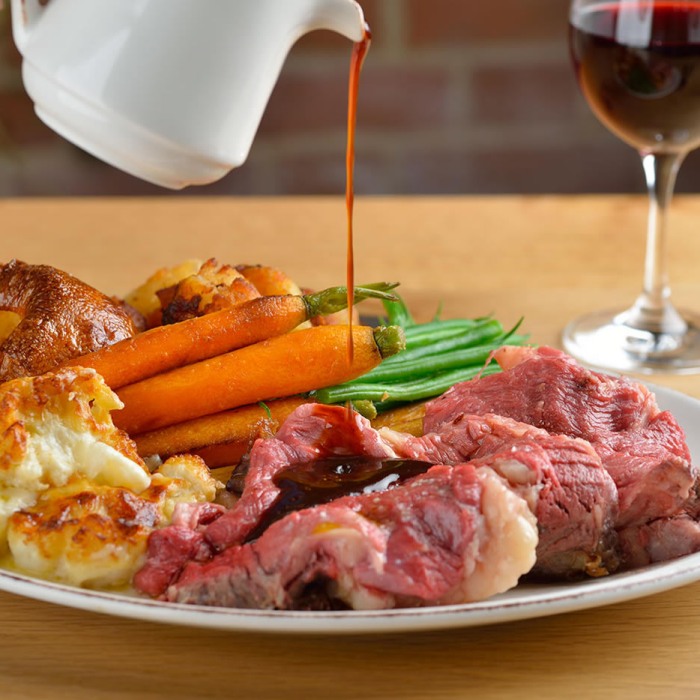
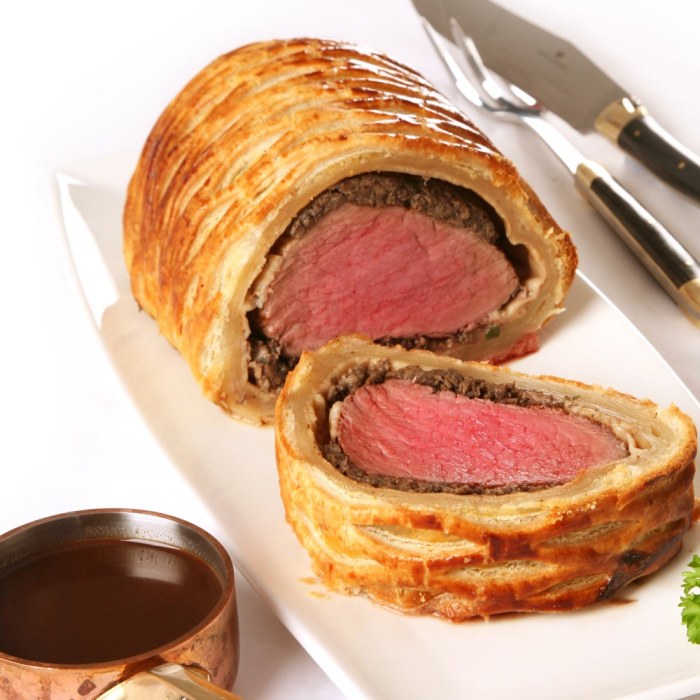

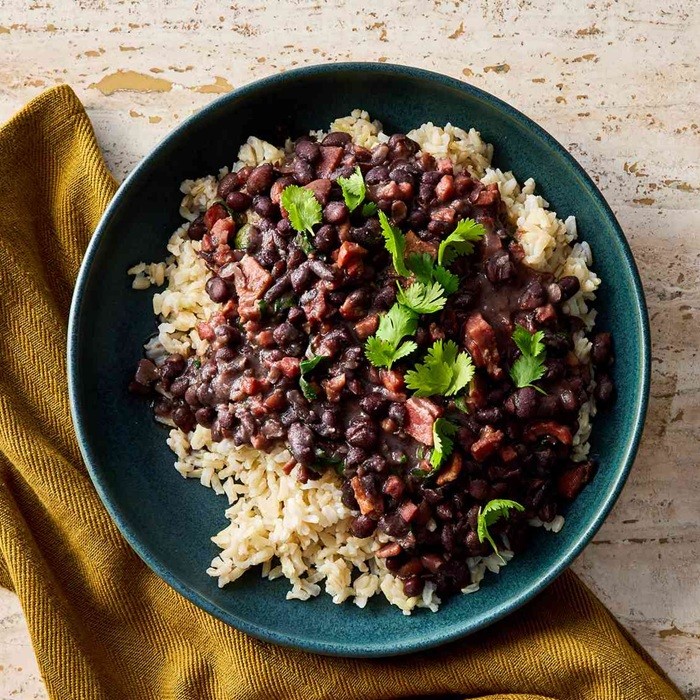

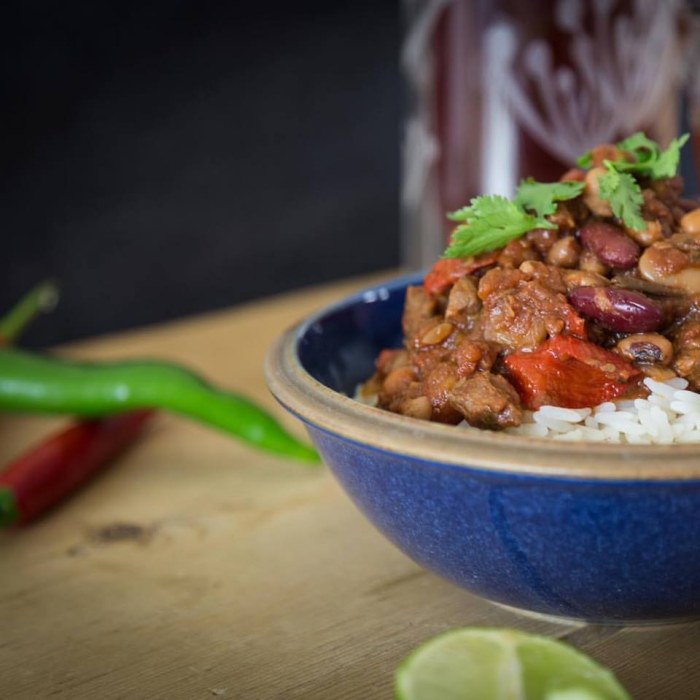
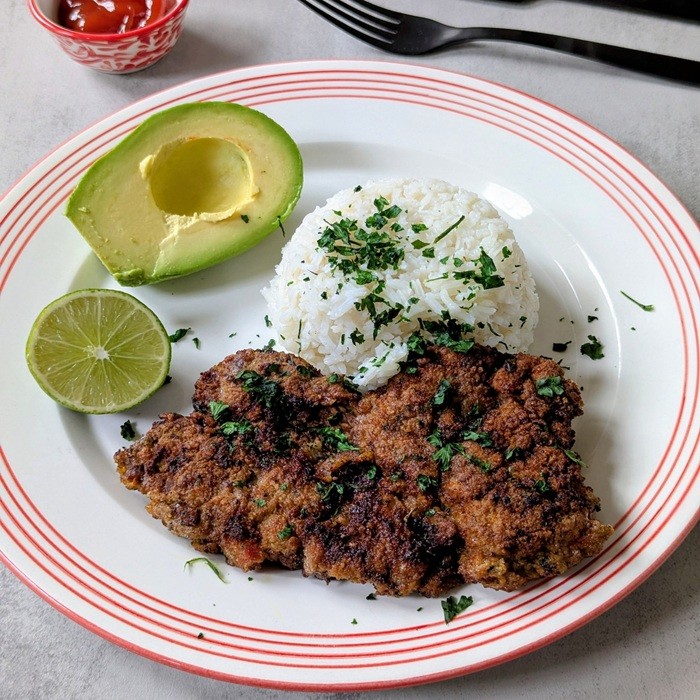

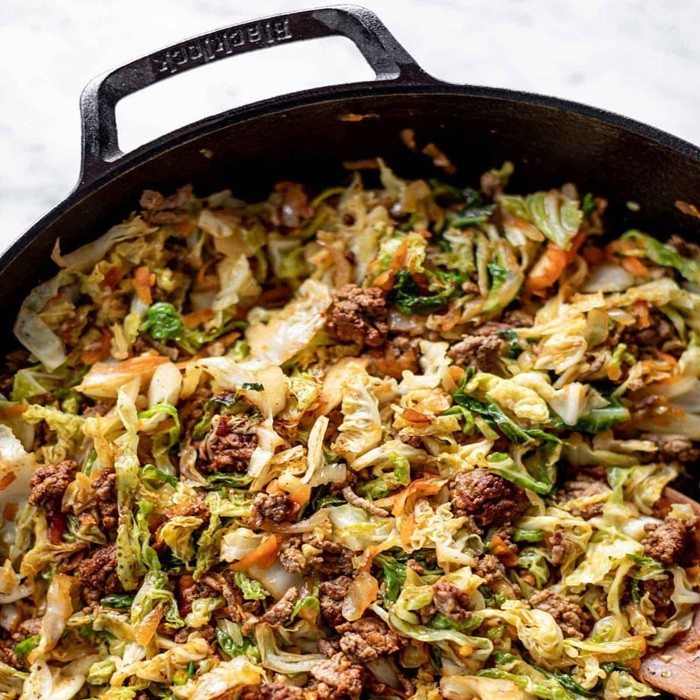

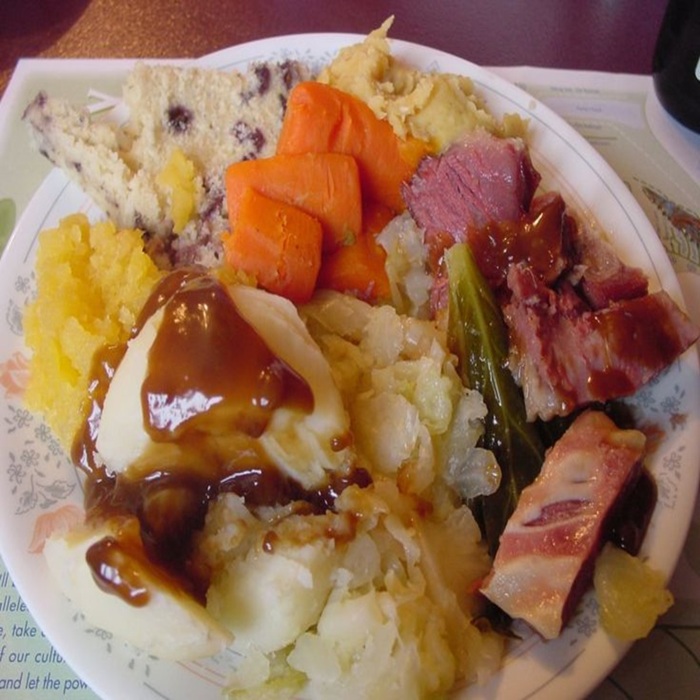
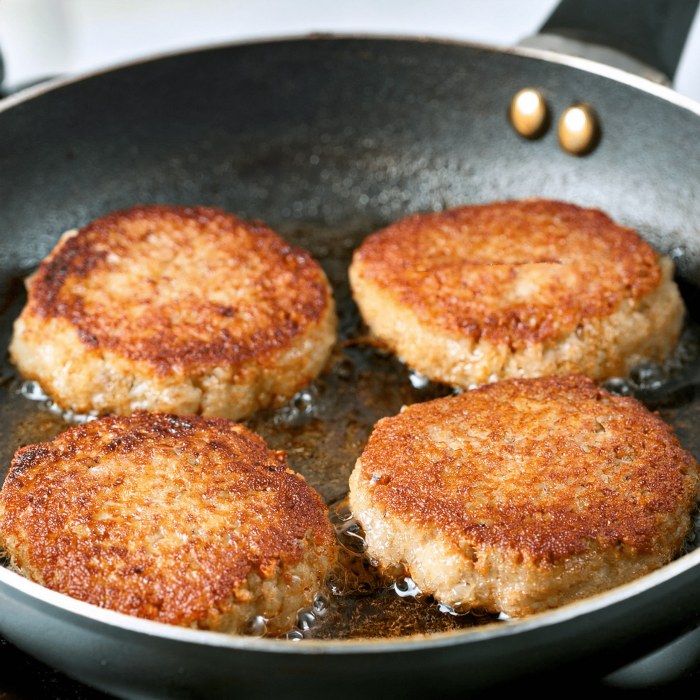
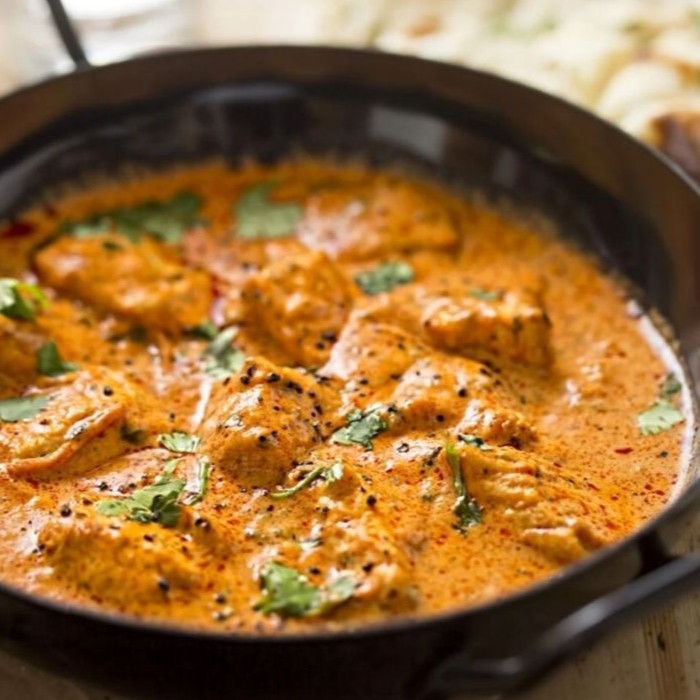
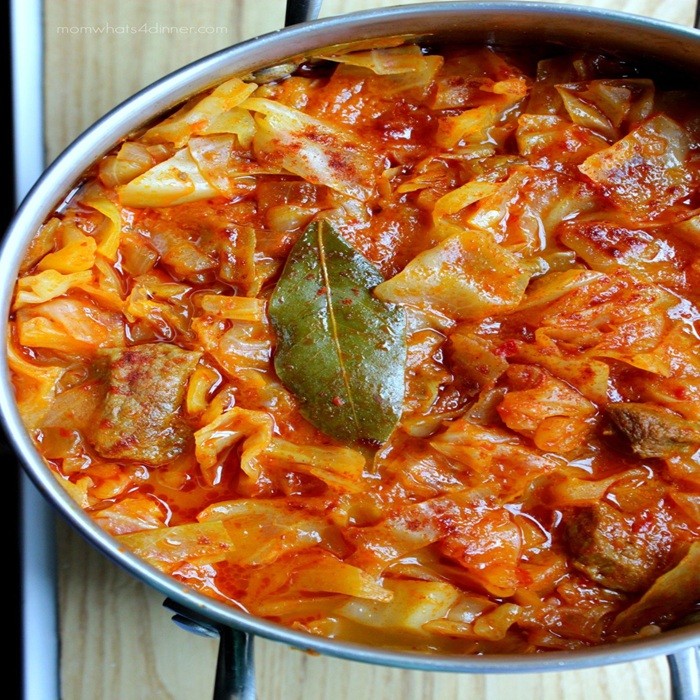


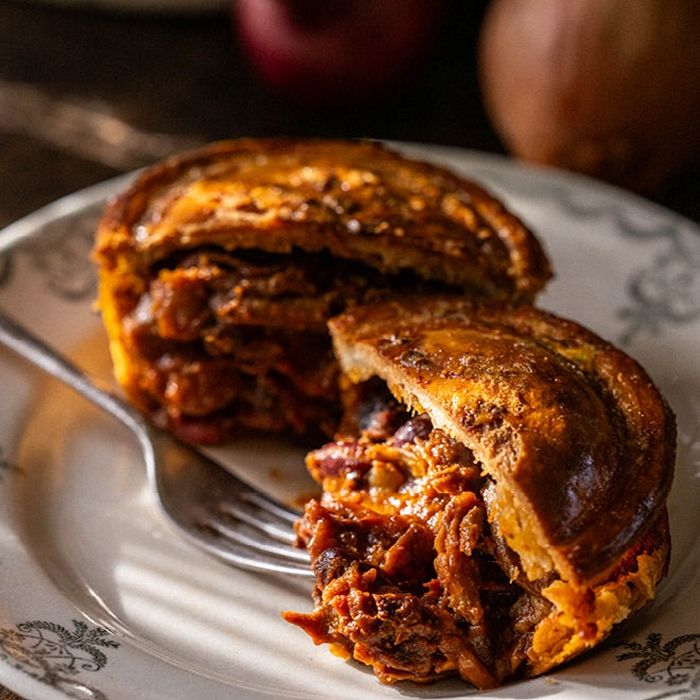
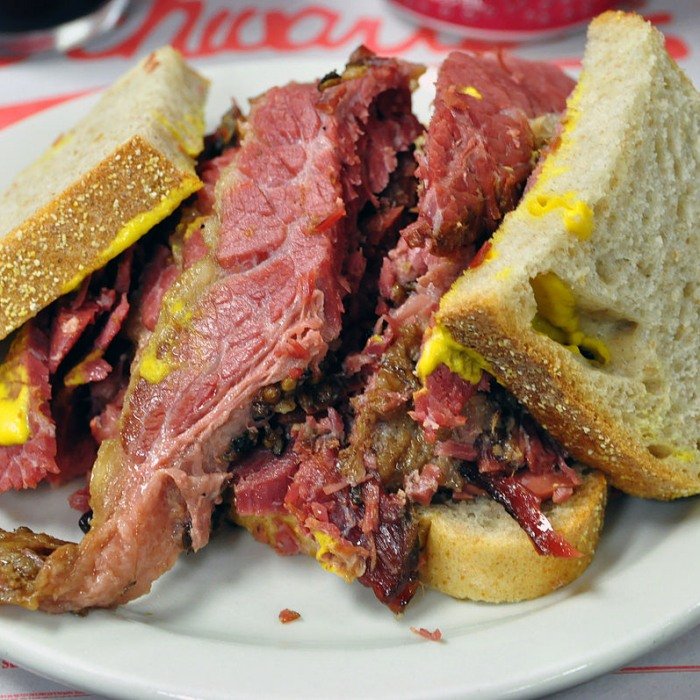
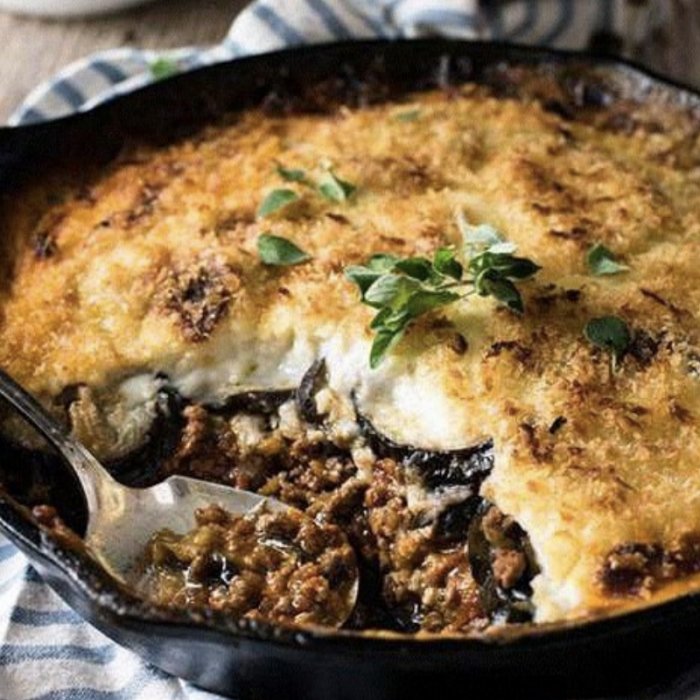
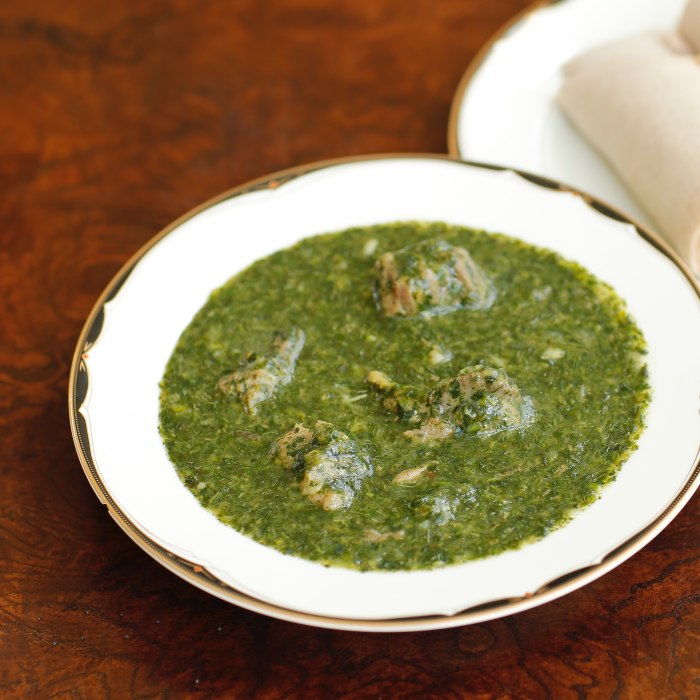

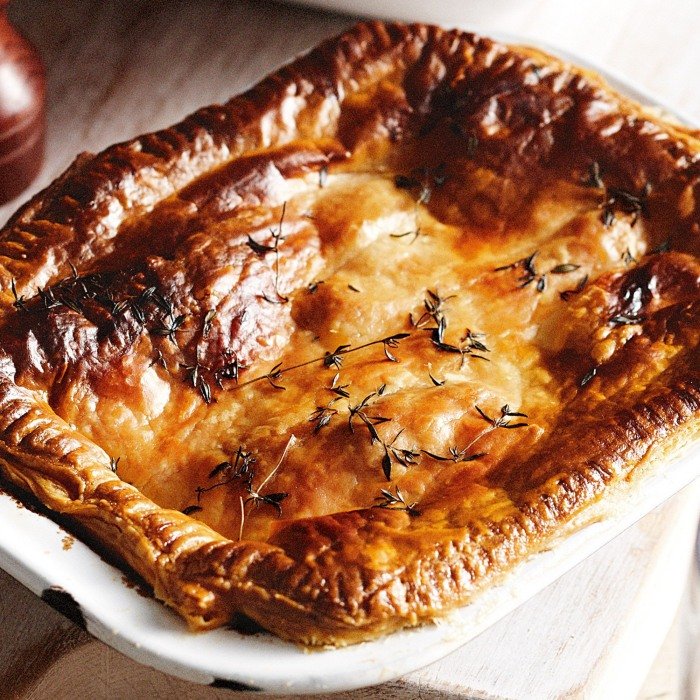
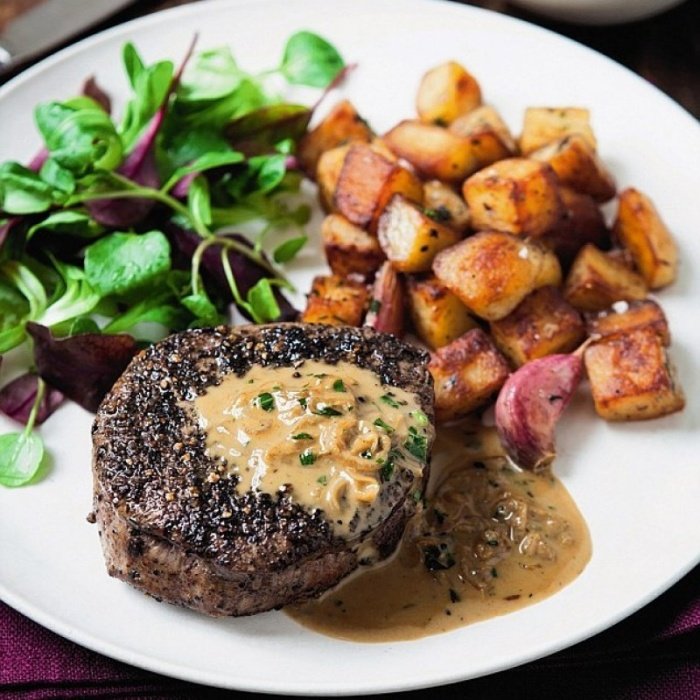
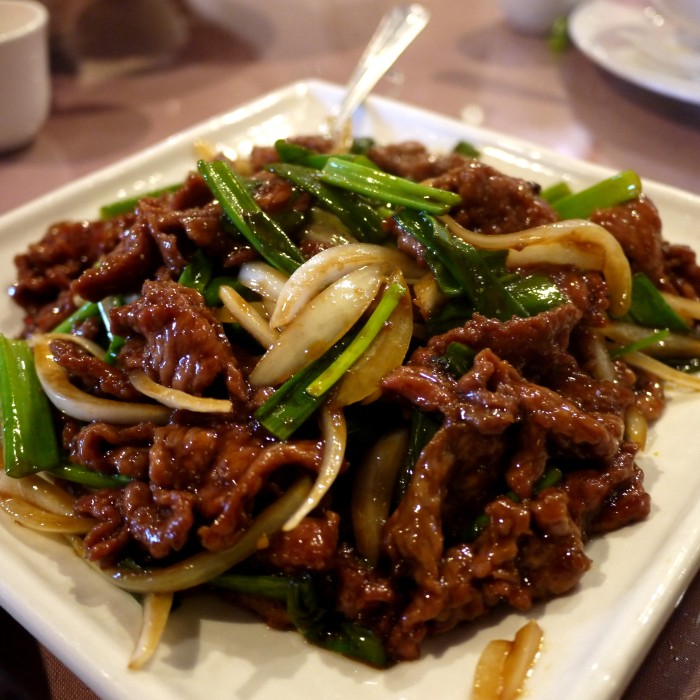
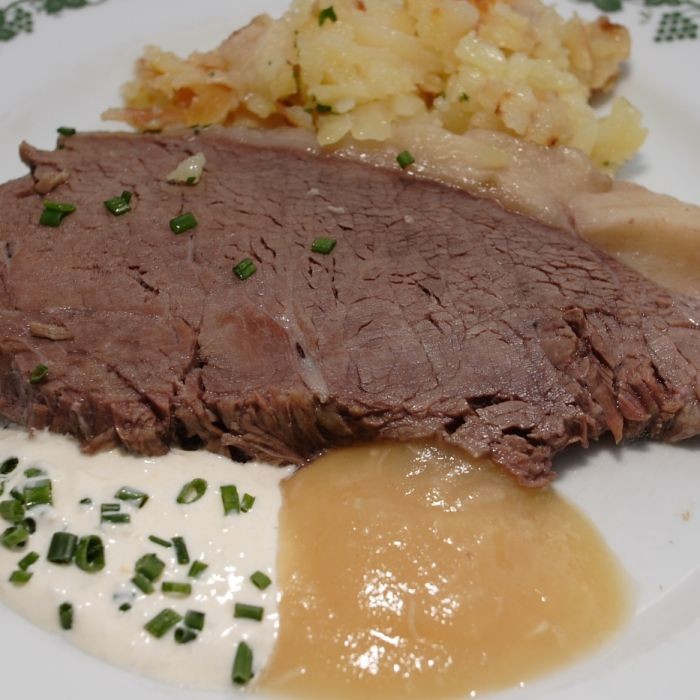


How to cook in this category
Three pillars to anchor what you cook.
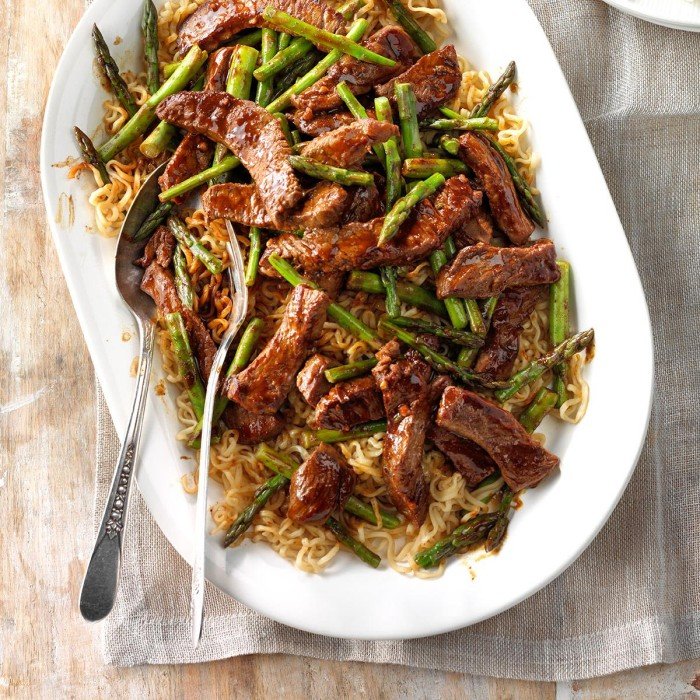
The fast cuts: steak and stir-fry
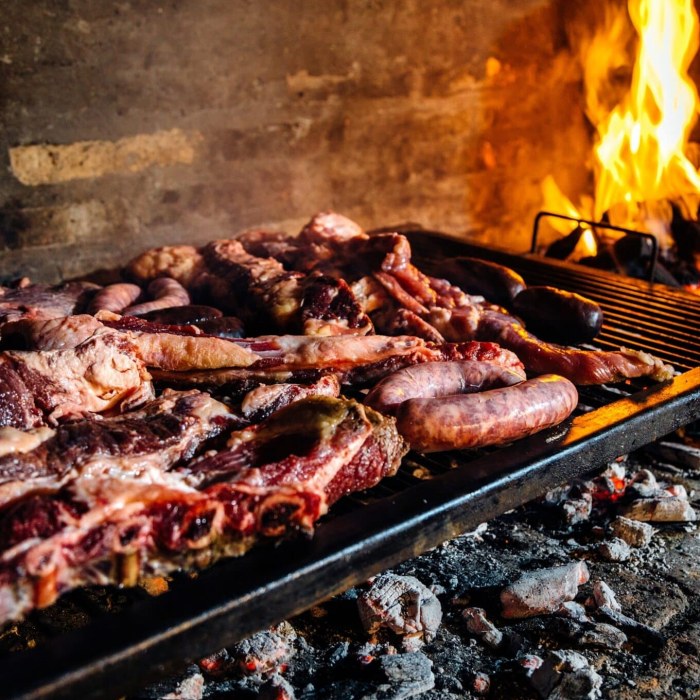
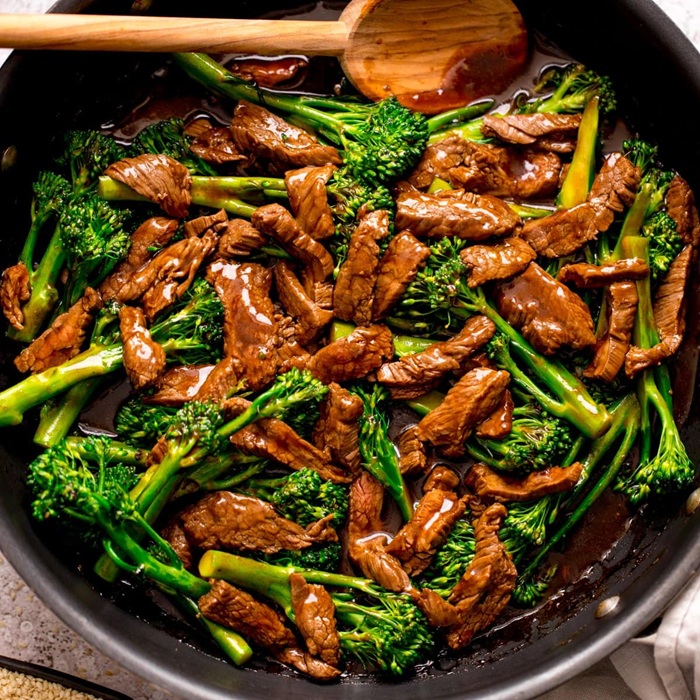
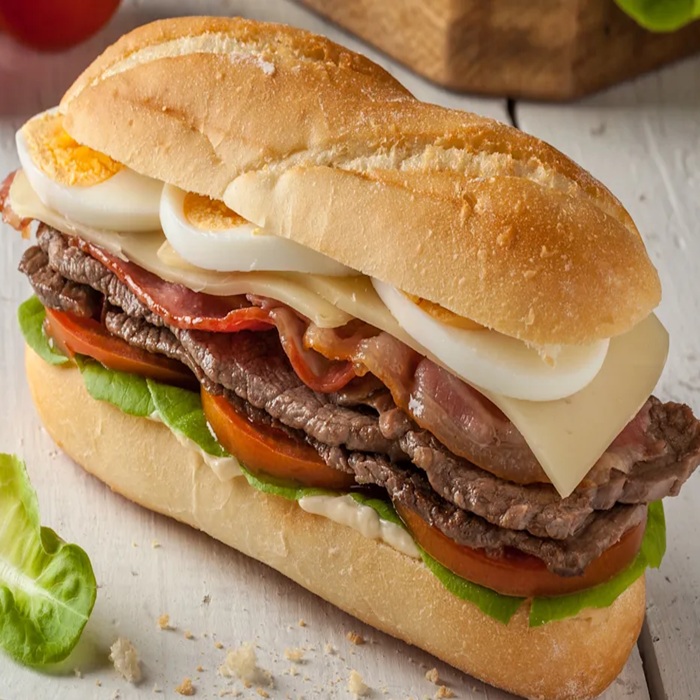
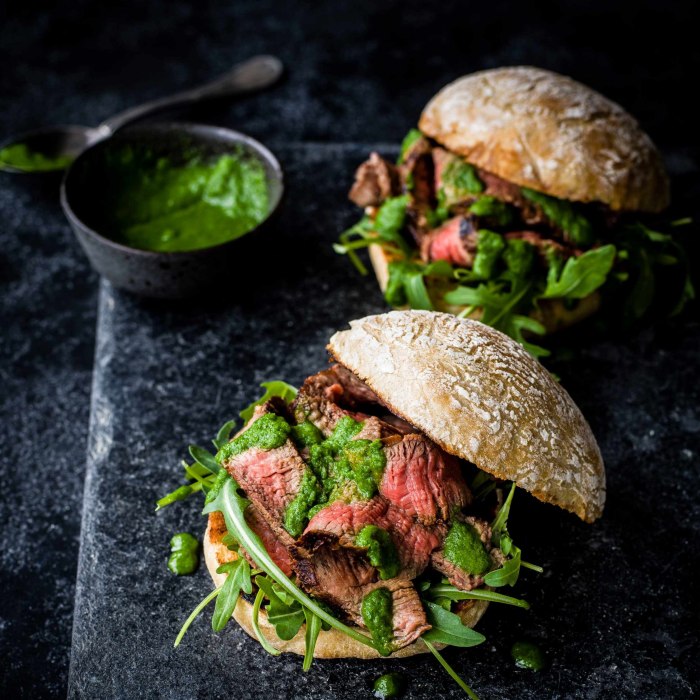
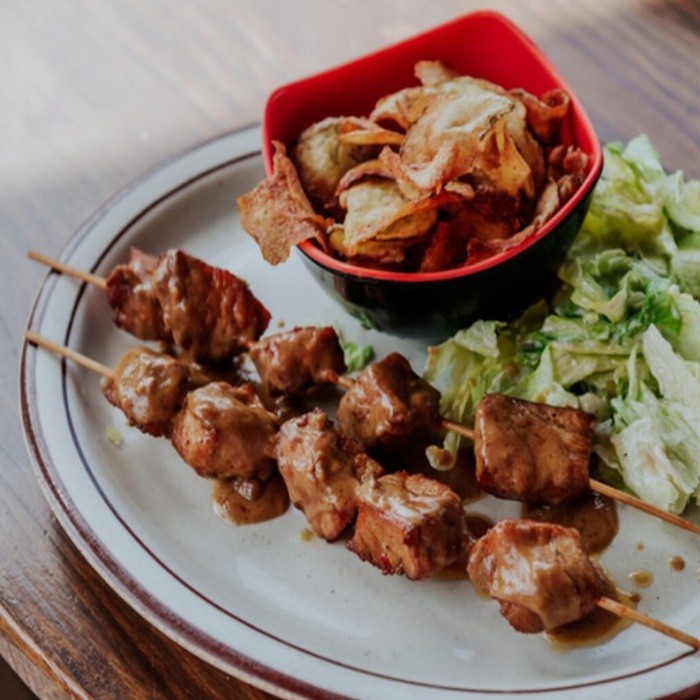
Ribeye, strip, tenderloin, sirloin, flat iron, hanger, skirt — all want the highest heat your stove or grill can muster, and they want a few minutes total, not many. Pat dry, salt aggressively at least 40 minutes ahead (or right before), and rest after cooking for half the cooking time. Reverse-sear (low oven, then high finish) for thicker cuts.
The slow cuts: braises, stews, and barbecue
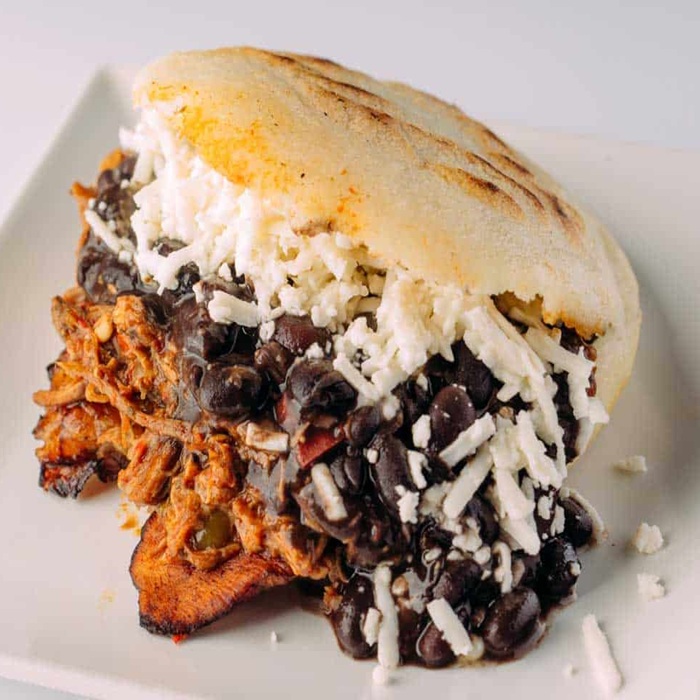
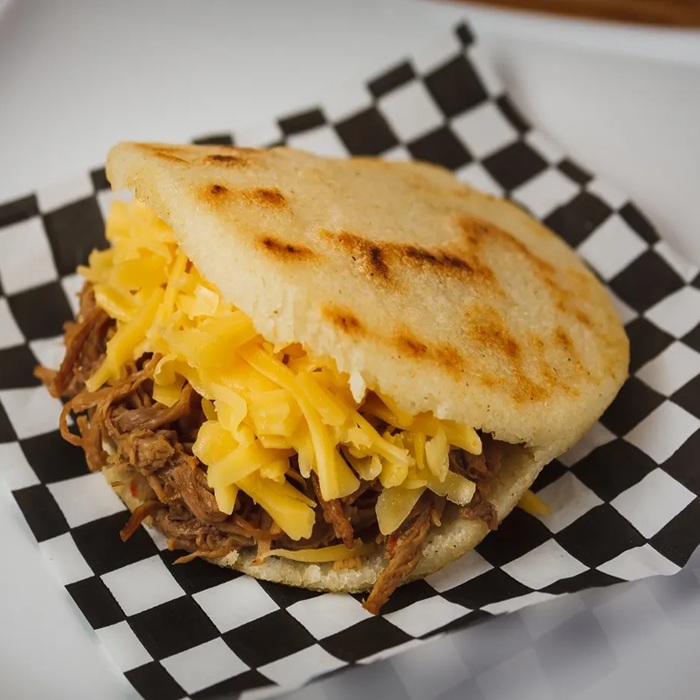
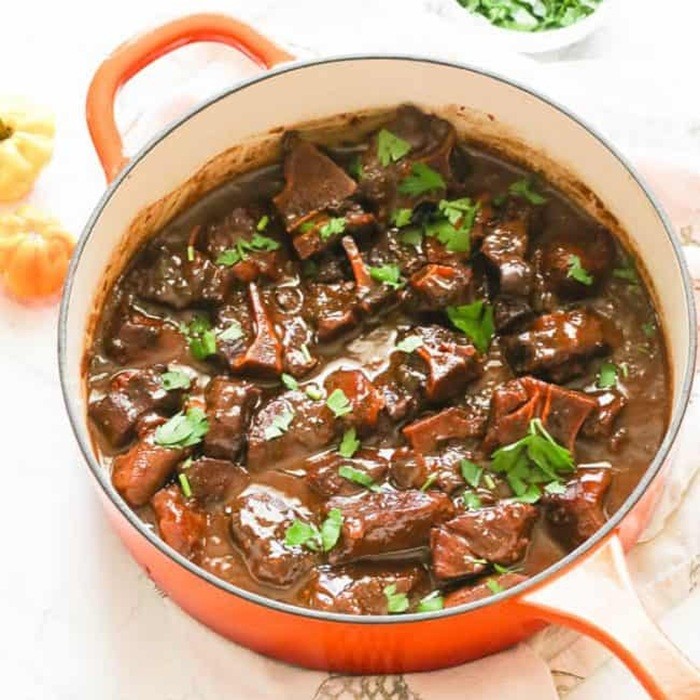
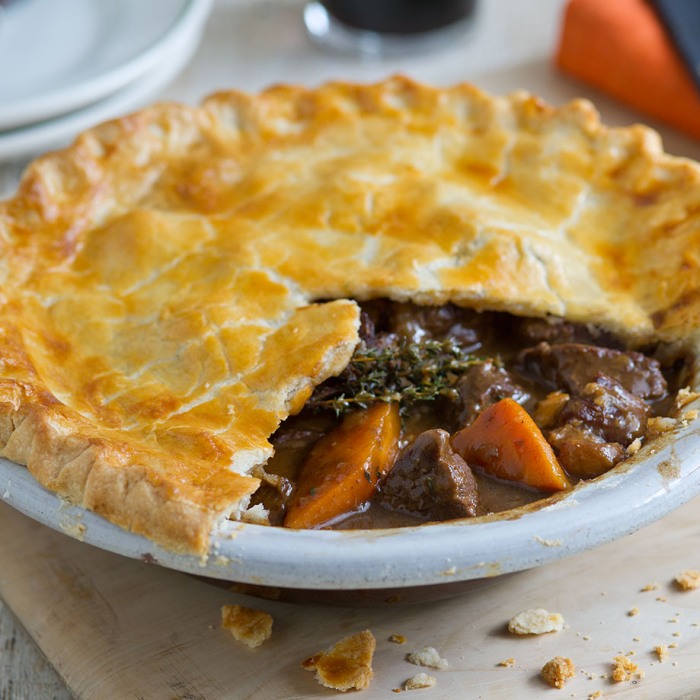
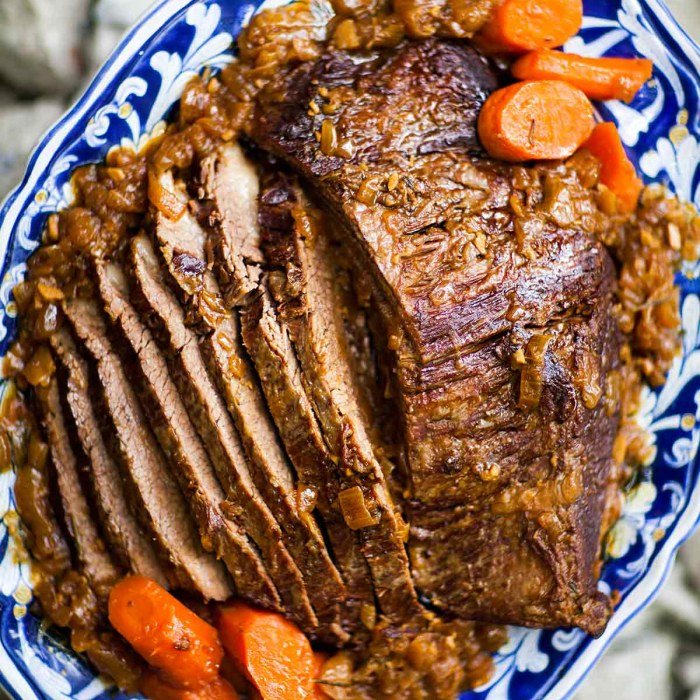
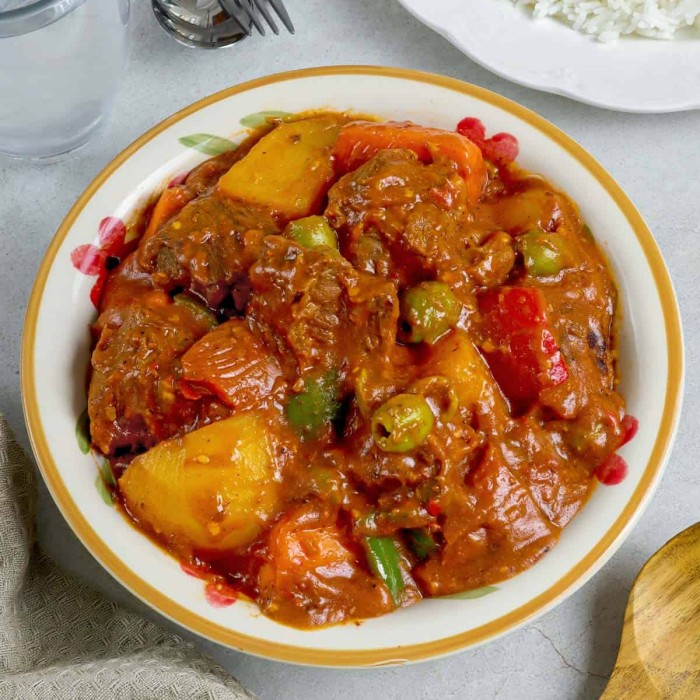
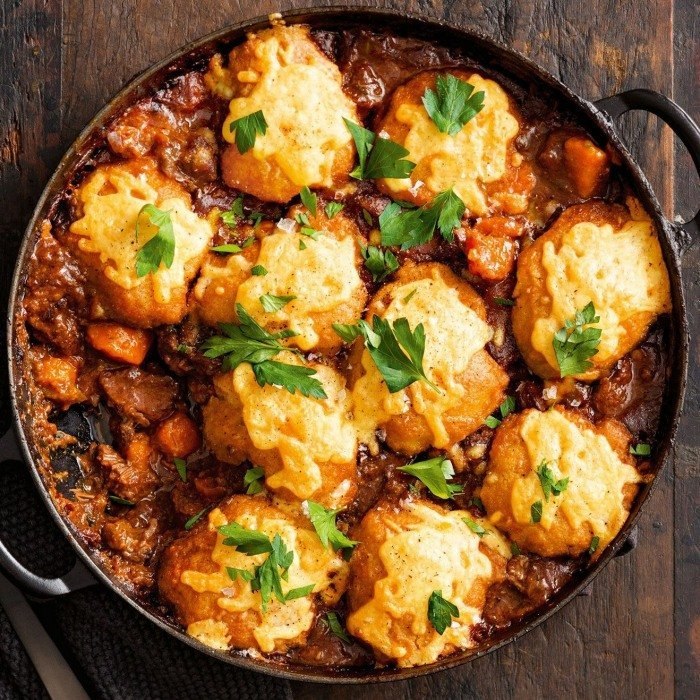
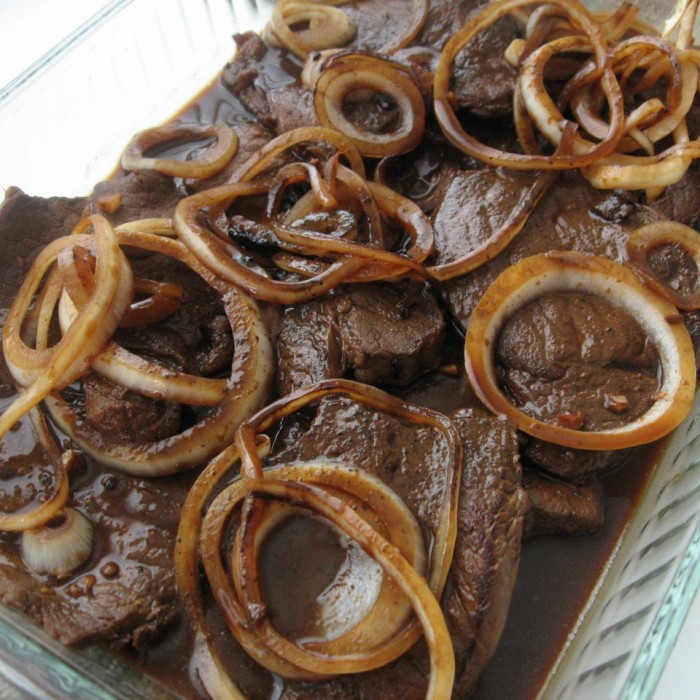
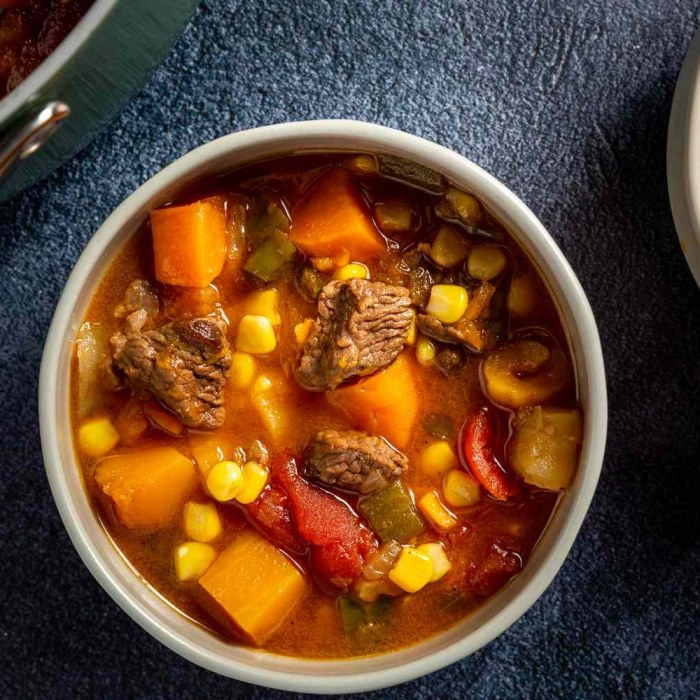
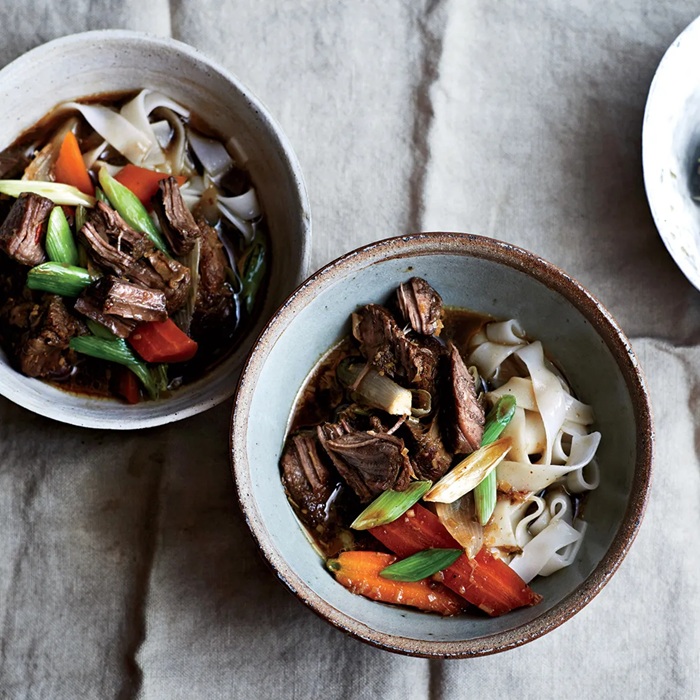
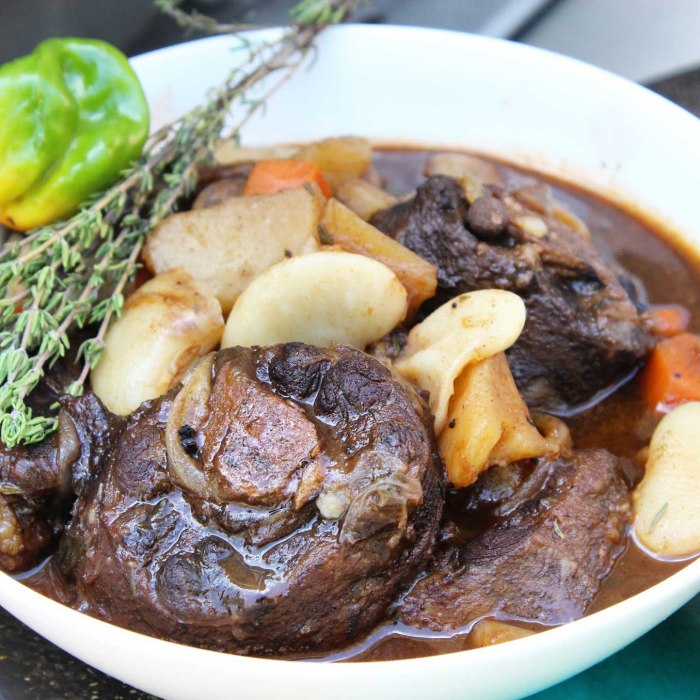
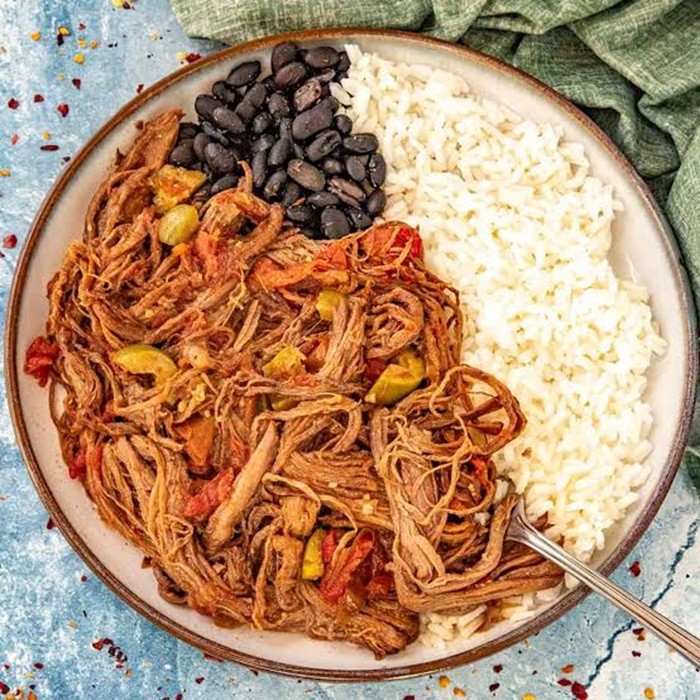
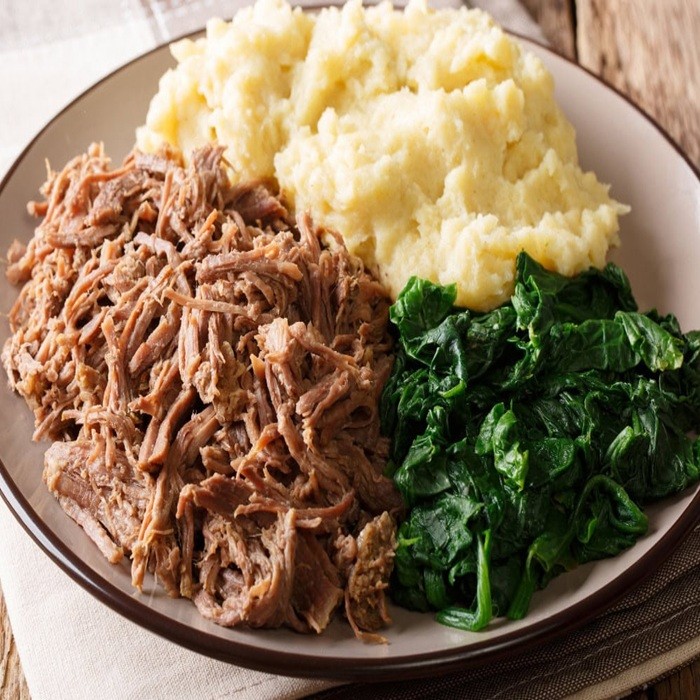
Chuck, brisket, short rib, shank, oxtail, cheek — all hard-worked muscles full of connective tissue that needs time and gentle heat to convert into gelatin. The temperature is what matters: 200–250 °F oven for braises, 225 °F smoker for barbecue. Rushing them leaves them tough; patience leaves them silky.
Ground beef and the everyday
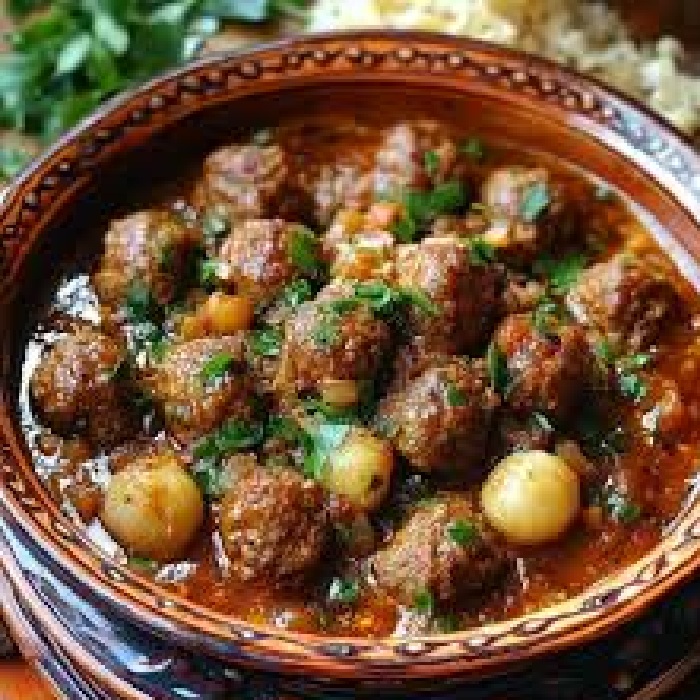
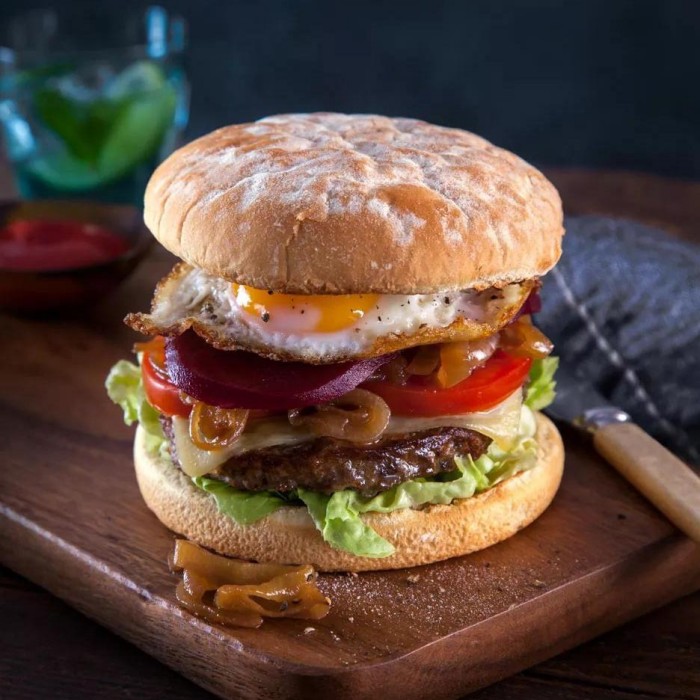
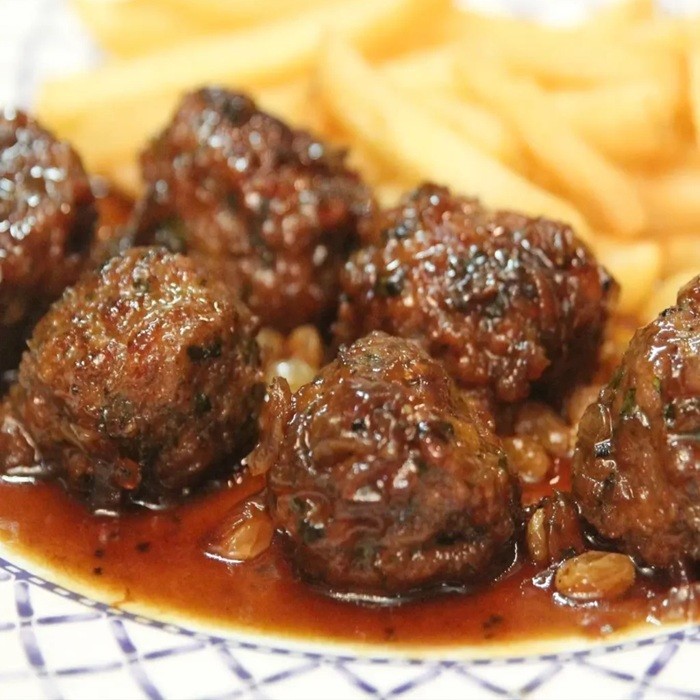
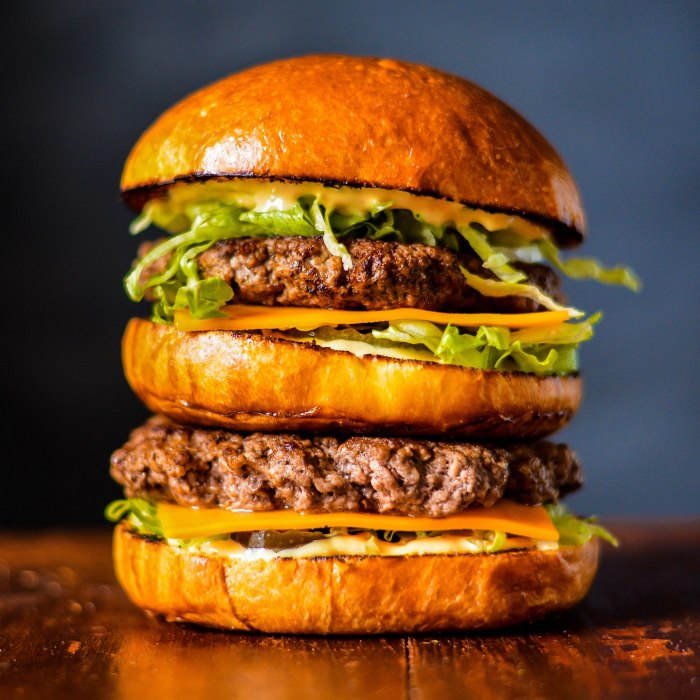
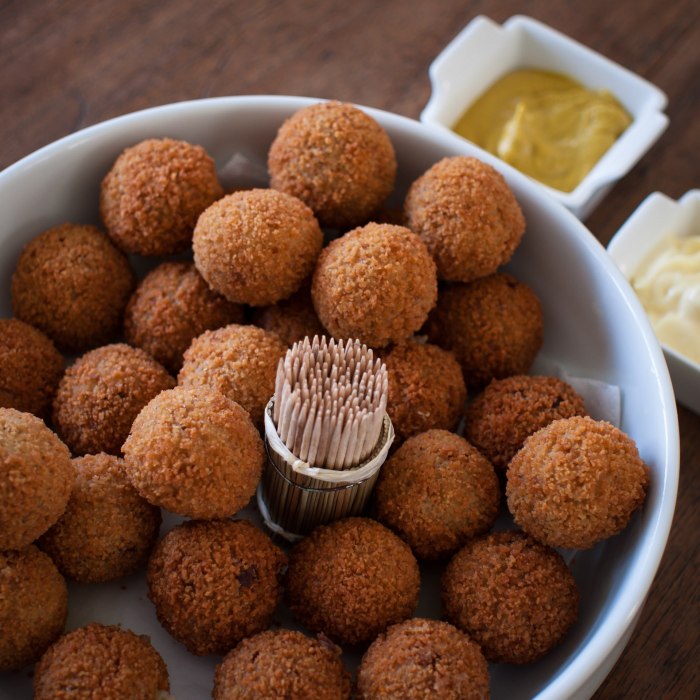
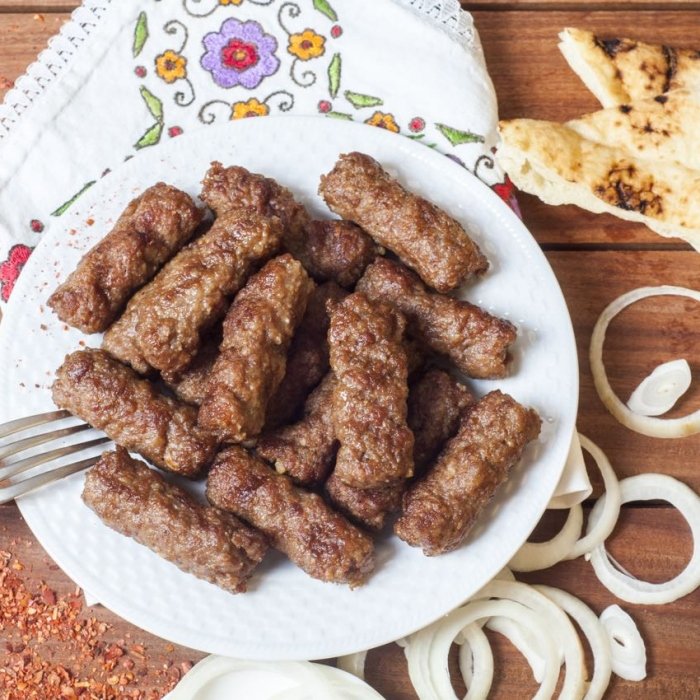
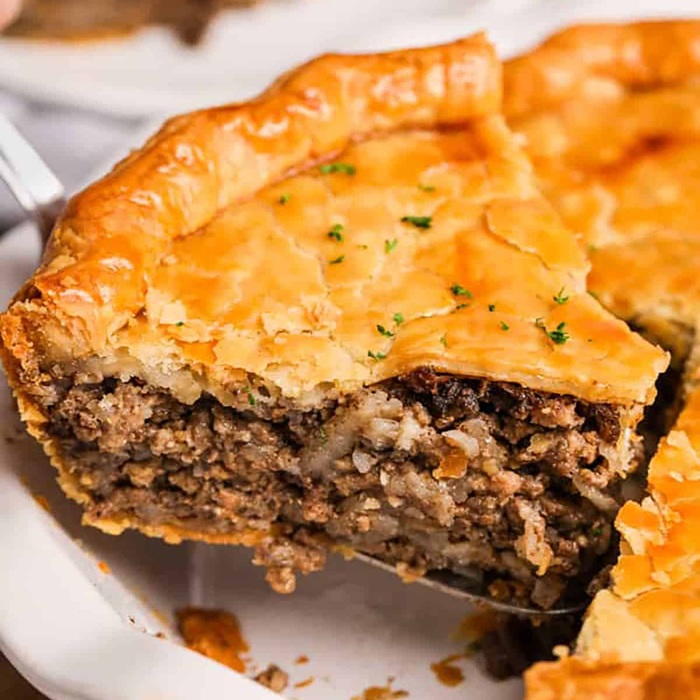
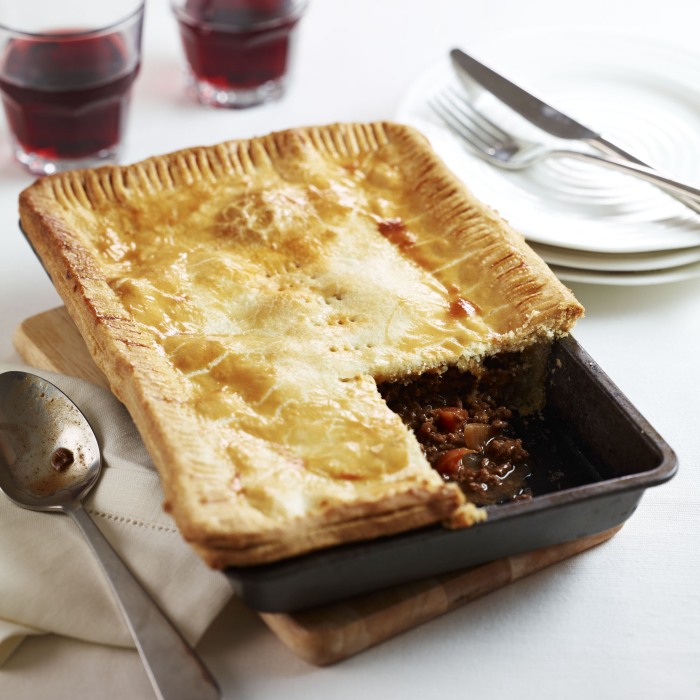
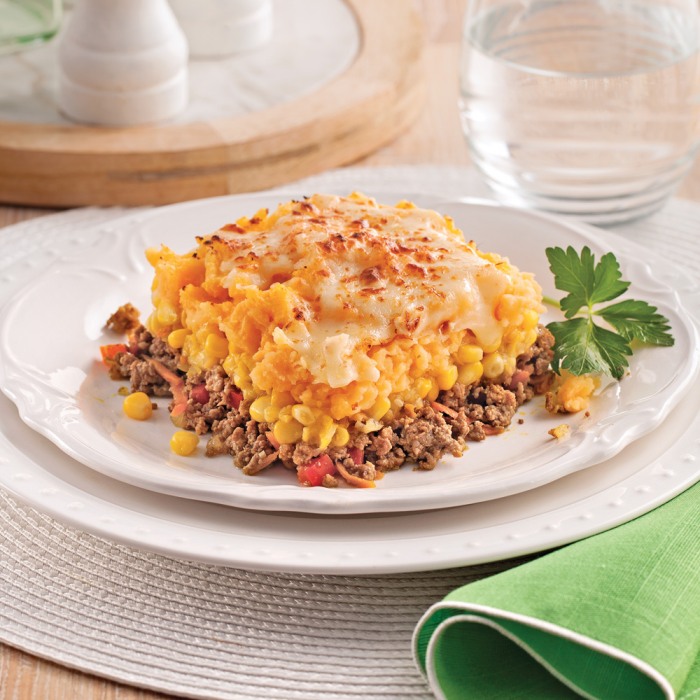
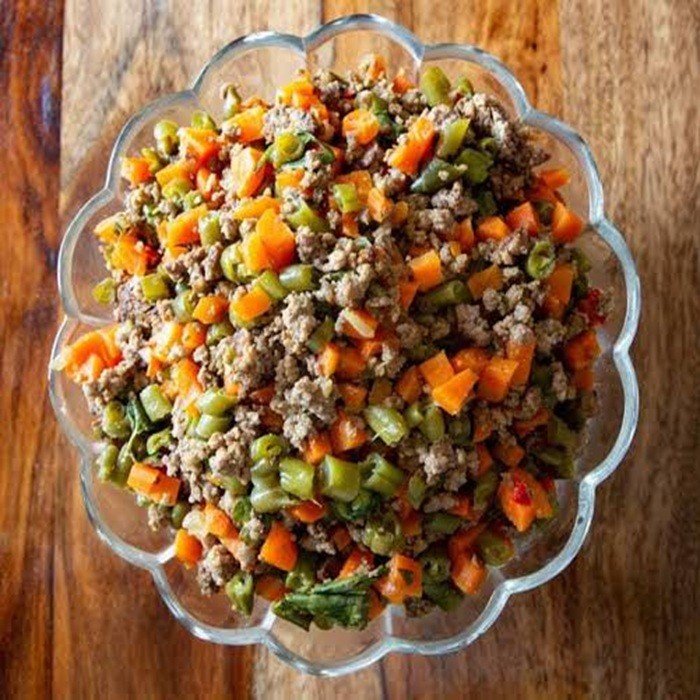
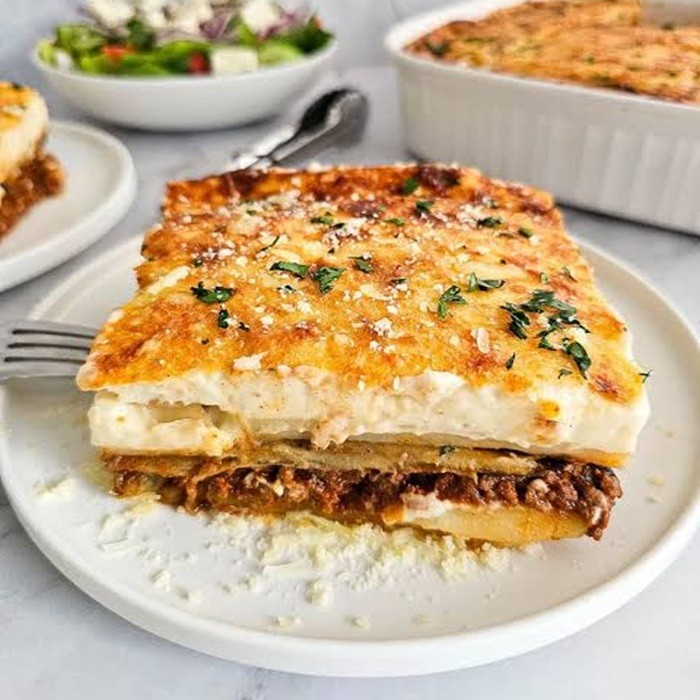
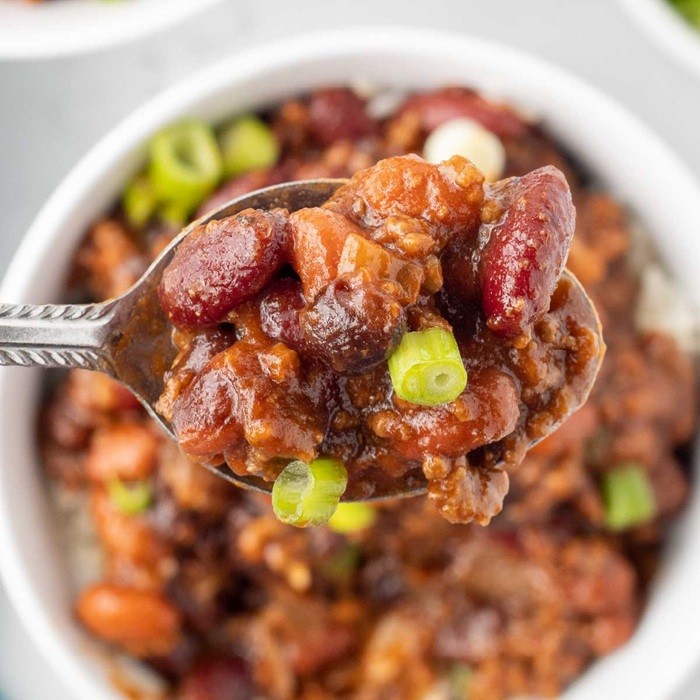
Burgers, meatballs, meatloaf, bolognese, chili, tacos, kebabs, dumpling fillings. Mince blends matter — 80/20 (chuck) is the default for burgers; leaner blends dry out. Brown in a screaming-hot pan in batches; crowding steams the meat and you lose the fond.
Pantry staples
What to keep on hand.
Coarse kosher salt, freshly cracked black pepper, beef stock or demi-glace, red wine for braising, tomato paste, smoked paprika, garlic, shallots, thyme, bay leaf, Dijon mustard, Worcestershire sauce, soy sauce (for stir-fries), neutral high-smoke-point oil, butter, beef tallow.
You don't need everything at once. Build the pantry as recipes call for it; most of these are shelf-stable and useful across many dishes.
Core techniques
A few moves to learn well.
- Salting steaks at least 40 minutes ahead — surface moisture reabsorbs and browning improves
- Browning meat for braises in batches, never crowded, until deeply caramelised
- Resting meat off-heat for half the cooking time before cutting
- Slicing across the grain for tougher cuts (flank, skirt, brisket)