
Category guide
Dessert
recipes.
Dessert is where the rules of savoury cooking break down. A pinch more salt in a stew is fine; a pinch more salt in a meringue can collapse it. Baking and pastry are chemistry — proteins, fats, sugars, and water in carefully balanced ratios that produce specific structures (a tender crumb, a flaky lamination, a stable foam). The cook who improvises freely with a stew should weigh ingredients in grams for dessert, watch oven temperature with a thermometer, and resist the urge to swap fats or sugars one-for-one. The good news: once you internalise the chemistry, dessert becomes deeply repeatable.
Editorial guide reviewed
Dessert recipes
168 dishes to cook from





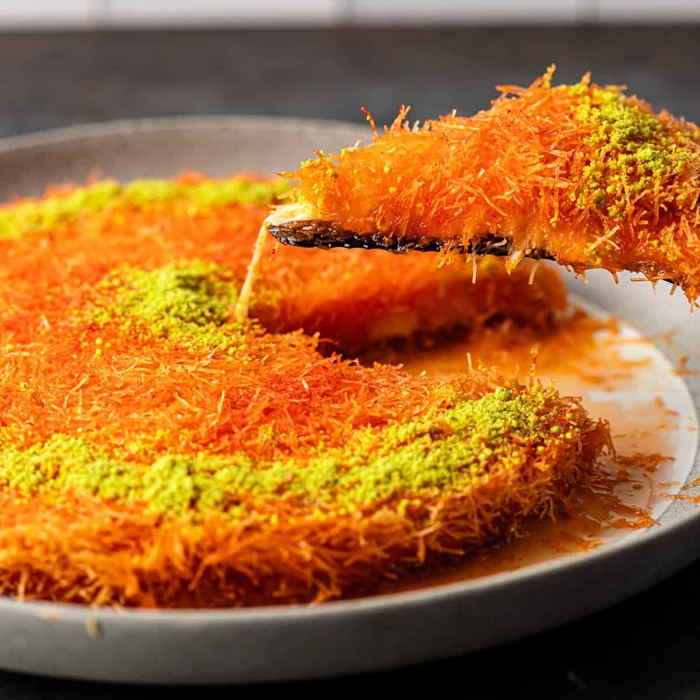
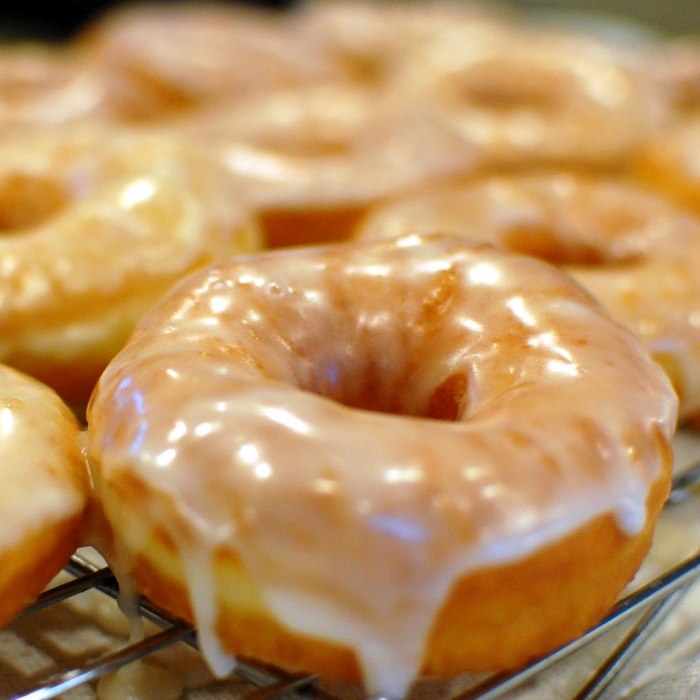
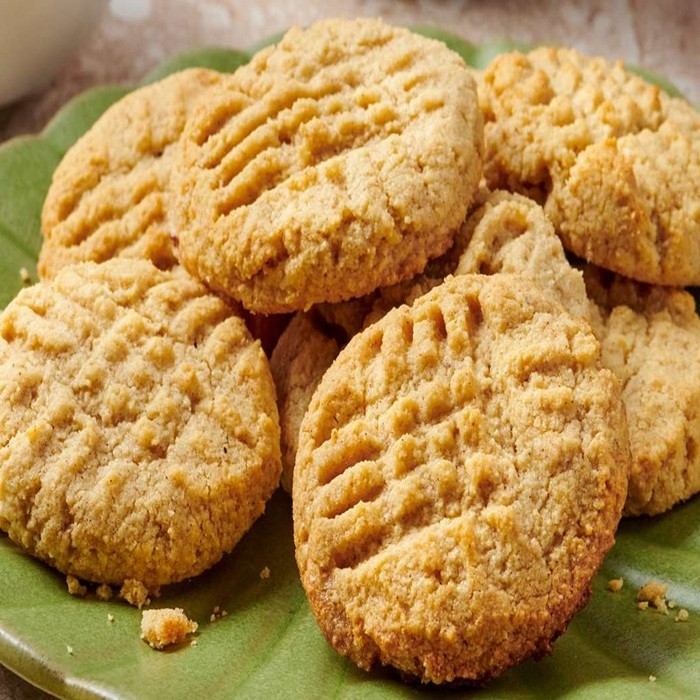
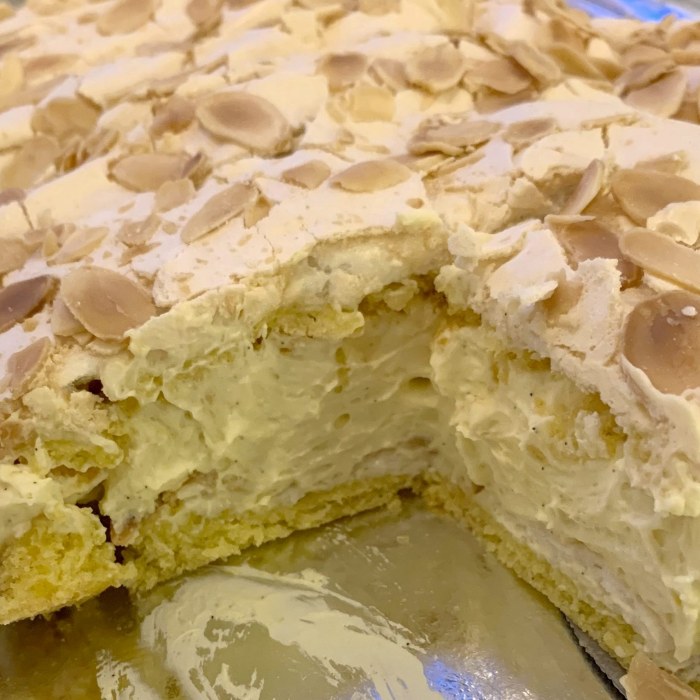
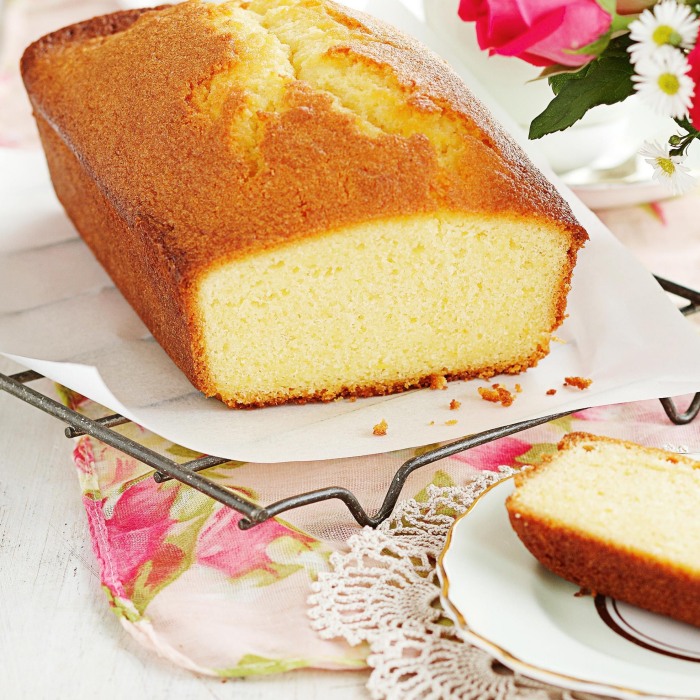
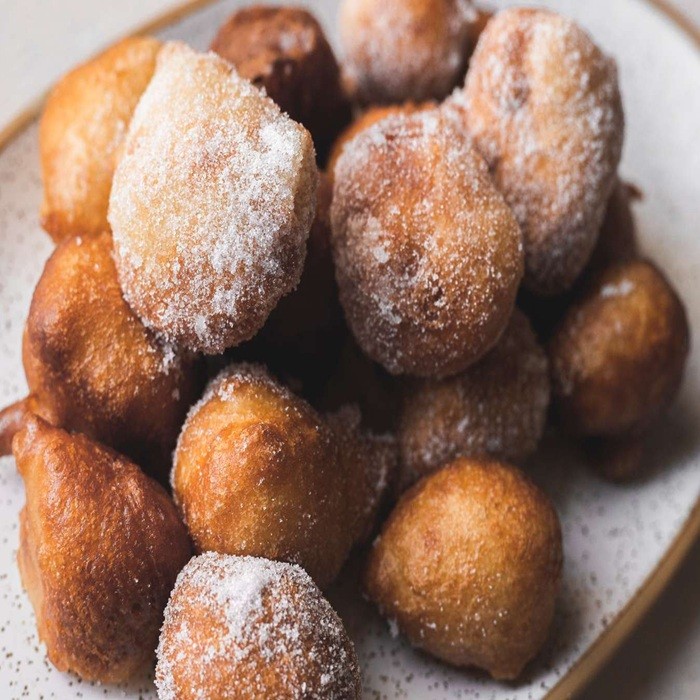
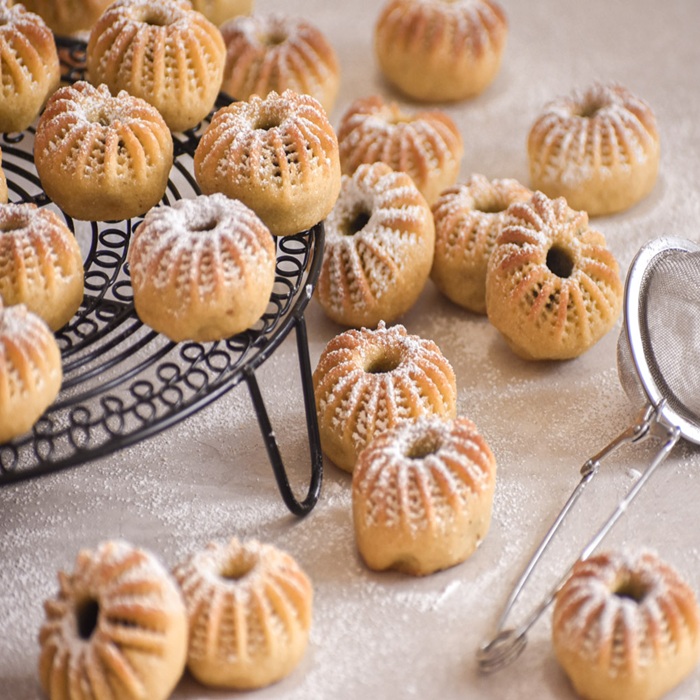
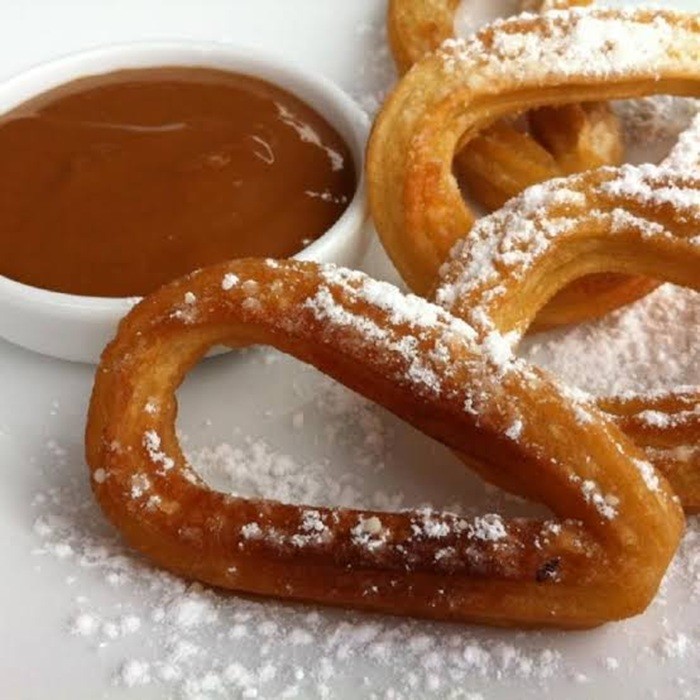

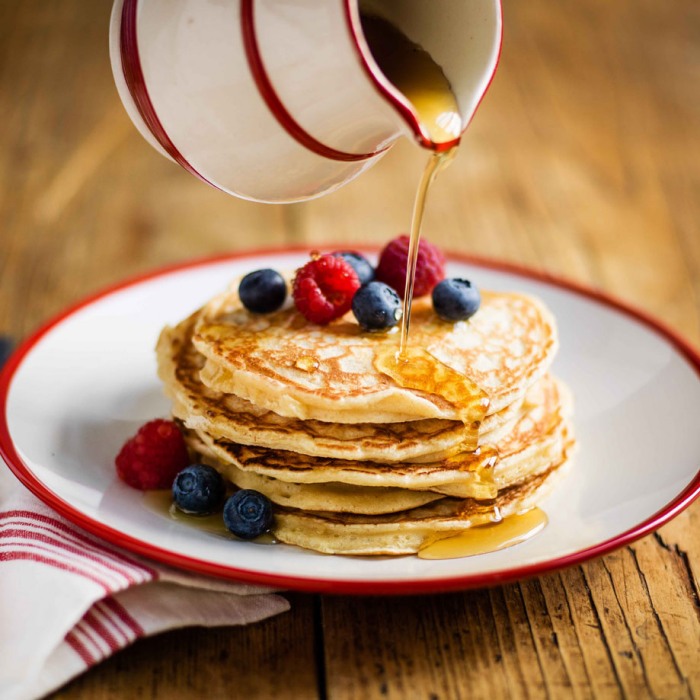
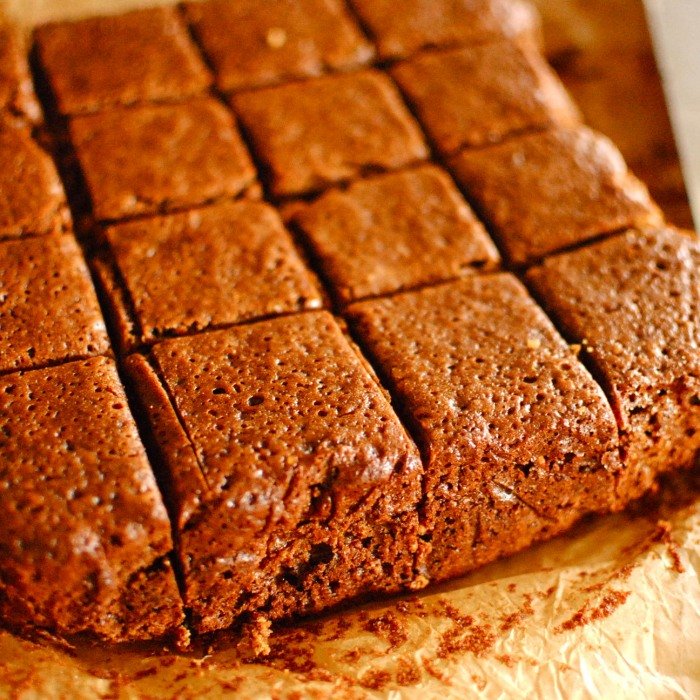
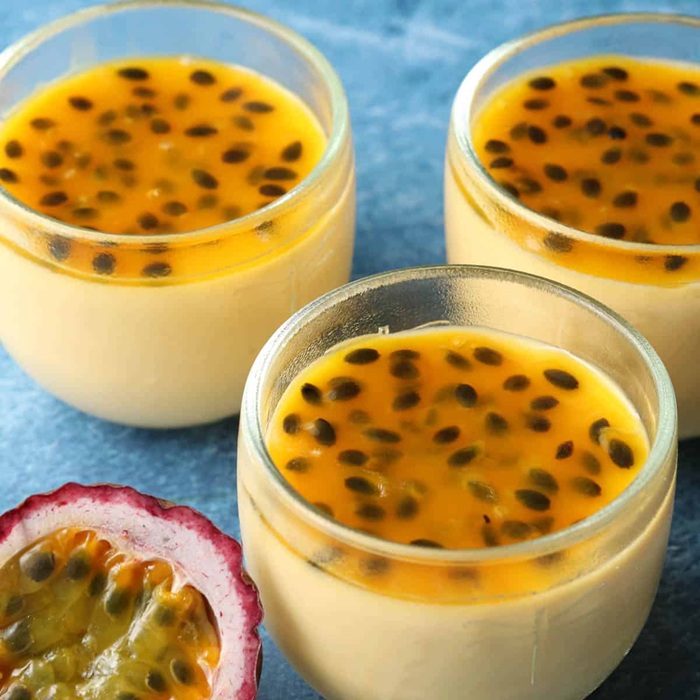
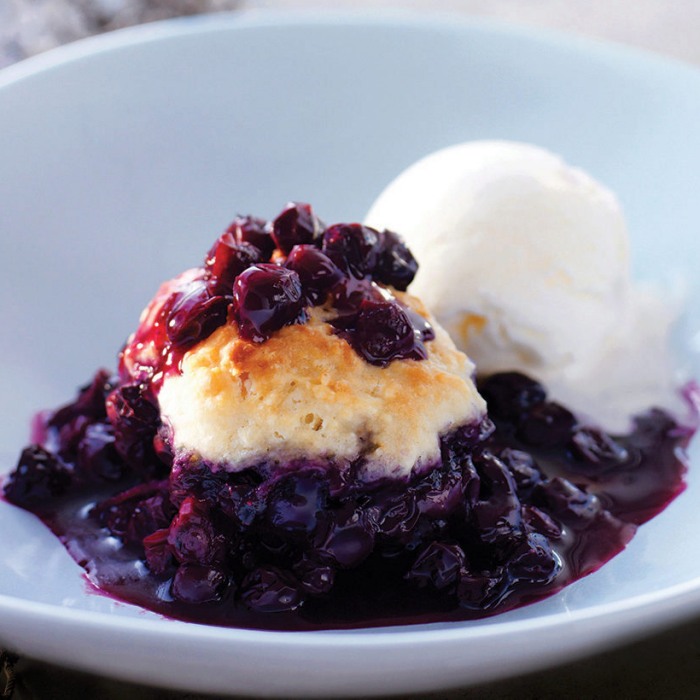
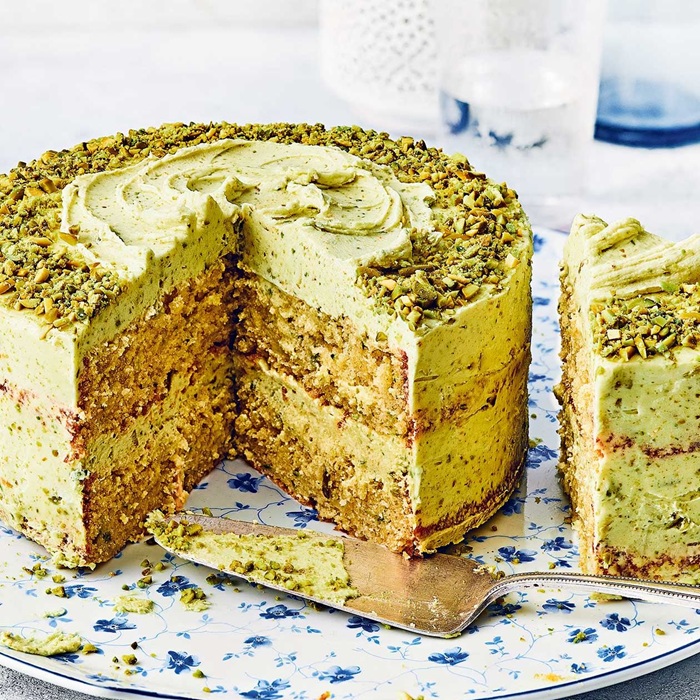

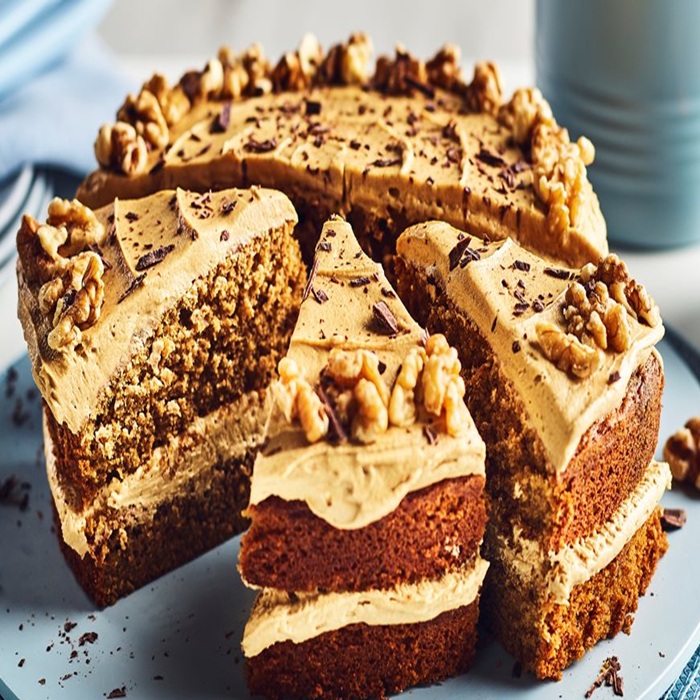
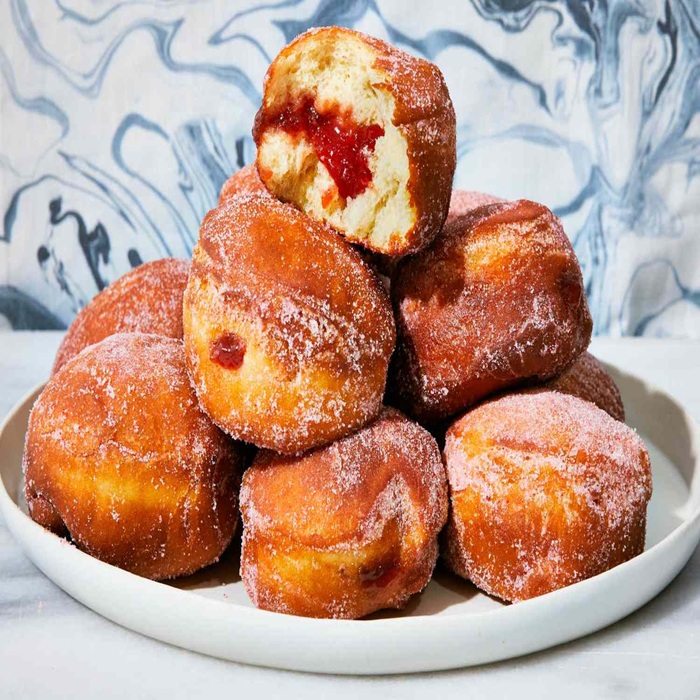
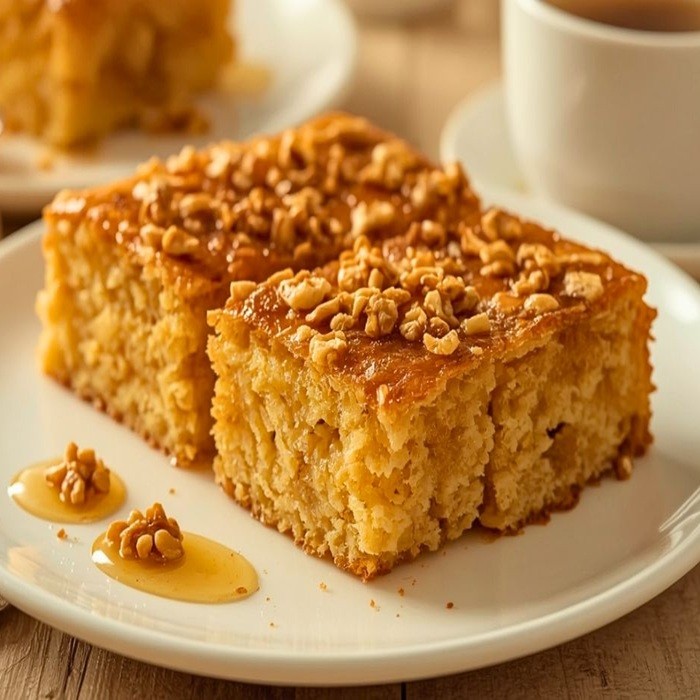
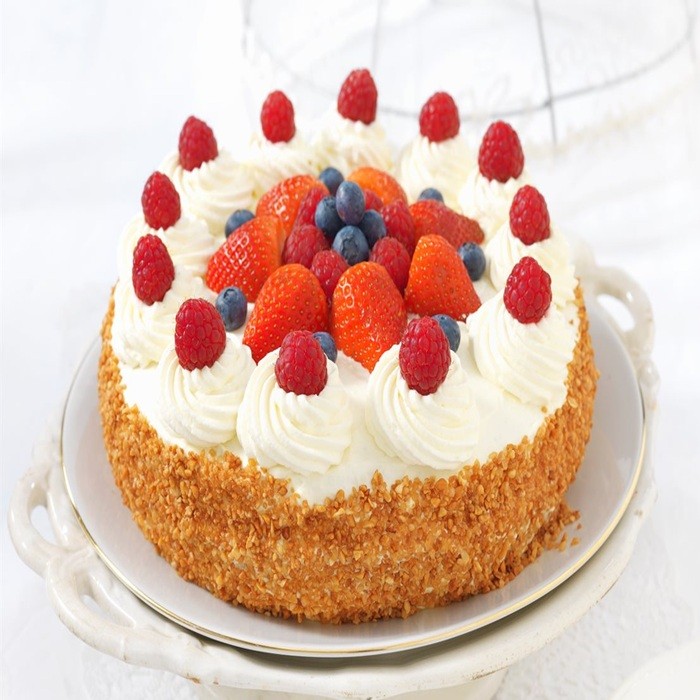
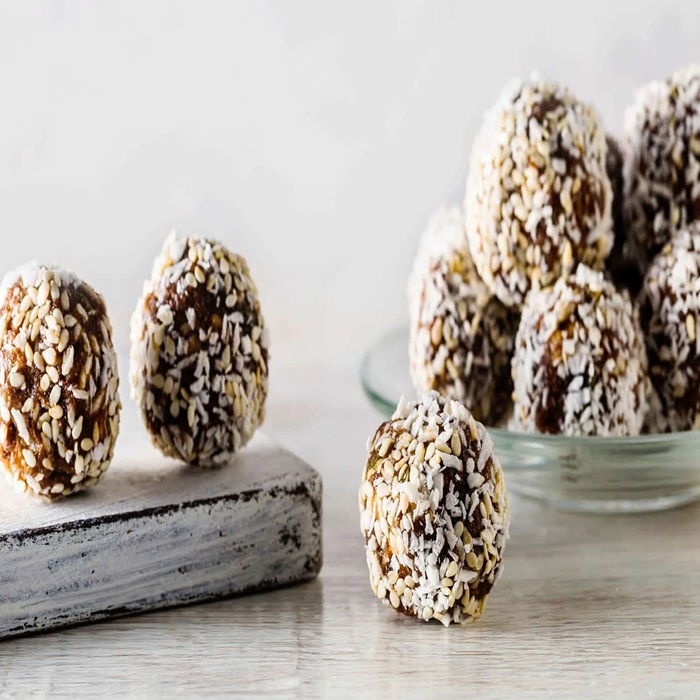
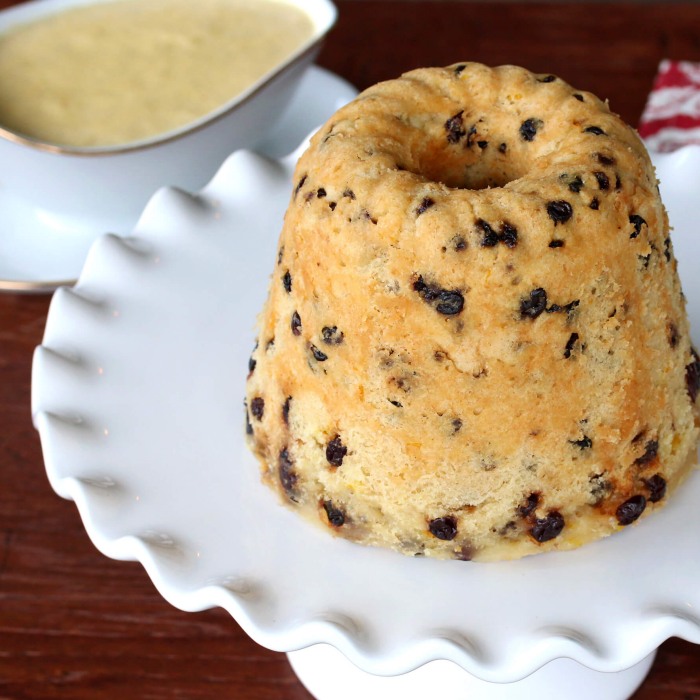


How to cook in this category
Three pillars to anchor what you cook.
Cakes, cookies, and the creaming method
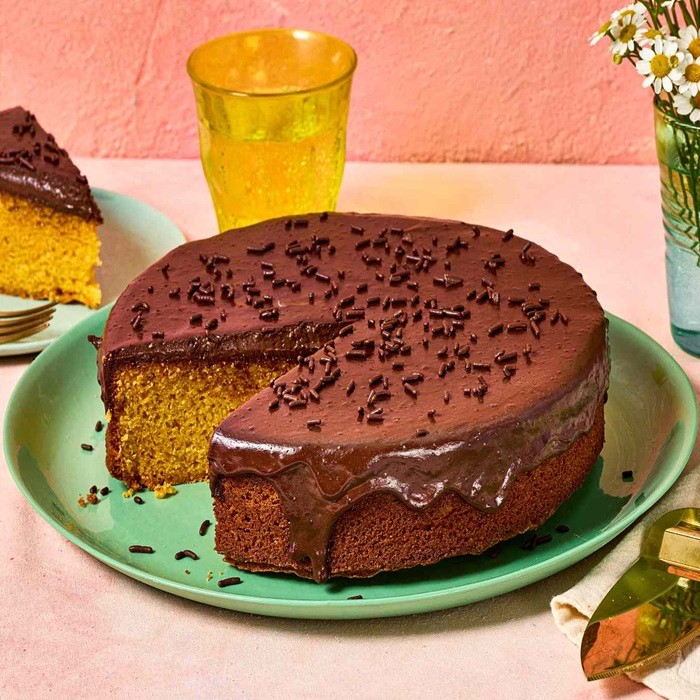
Most baked sweets start with creaming butter and sugar — beating air into a fat-and-sugar matrix that becomes the structure of the finished cake or cookie. Butter temperature is critical: 65–67 °F for cookies, slightly cooler for cakes. Too cold and it won't aerate; too warm and the structure collapses.
Pastry: pâte brisée, sablée, feuilletée, choux
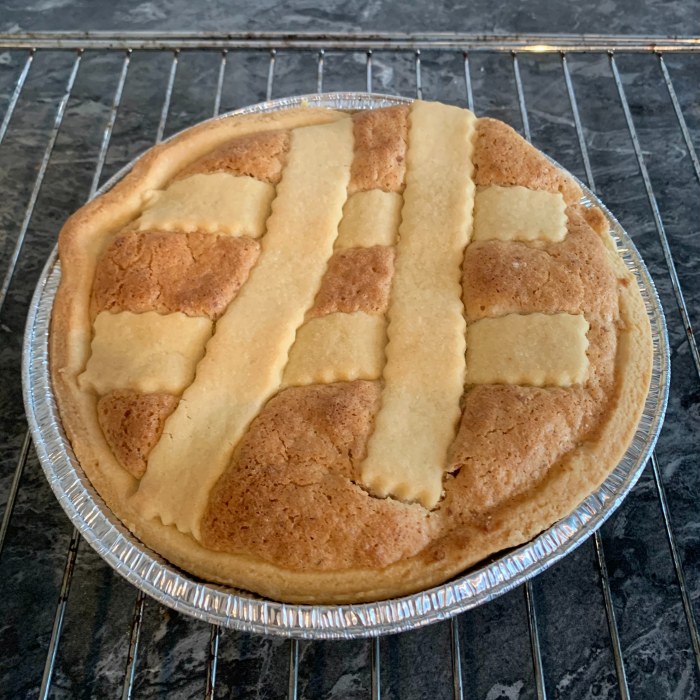
Pastry is about fat-and-flour ratios, water content, and temperature. Cold butter cut into flour, just-enough water, minimal handling. Lamination (puff pastry) is butter folded into dough through repeated turns to produce hundreds of paper-thin layers.
Custards, mousses, and the egg-based desserts
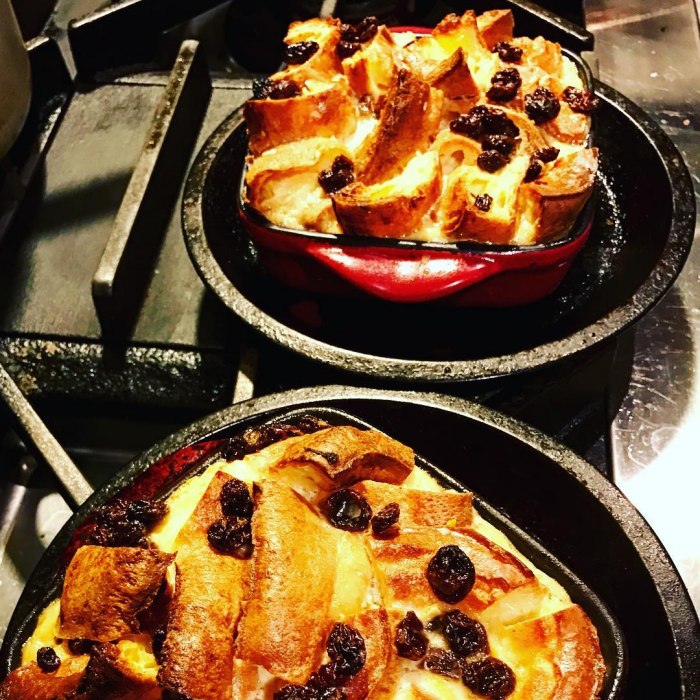
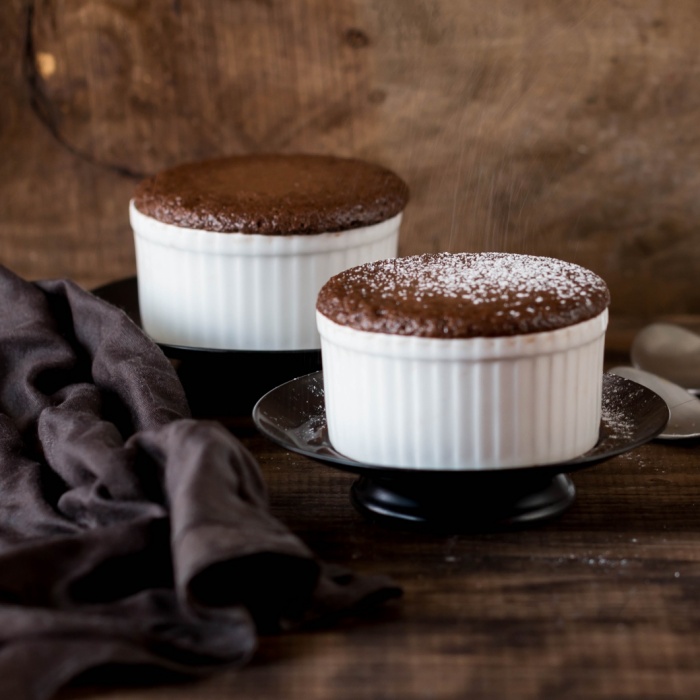
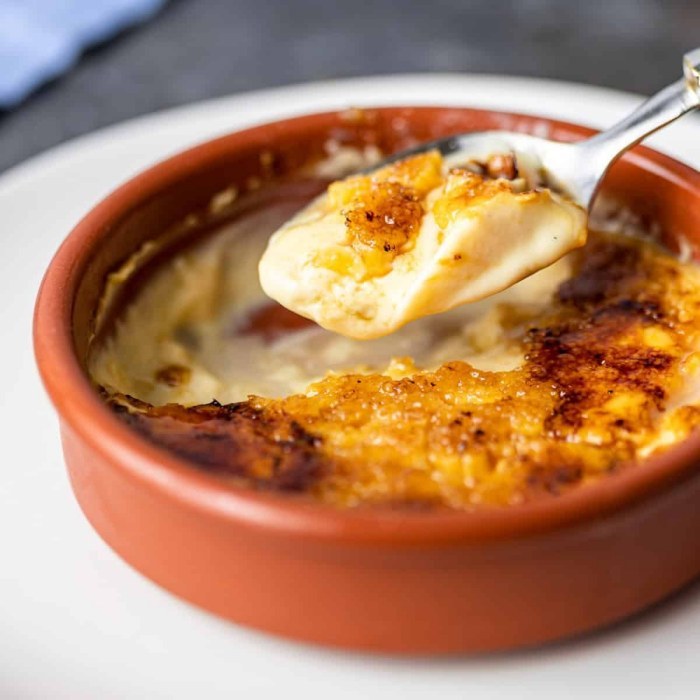
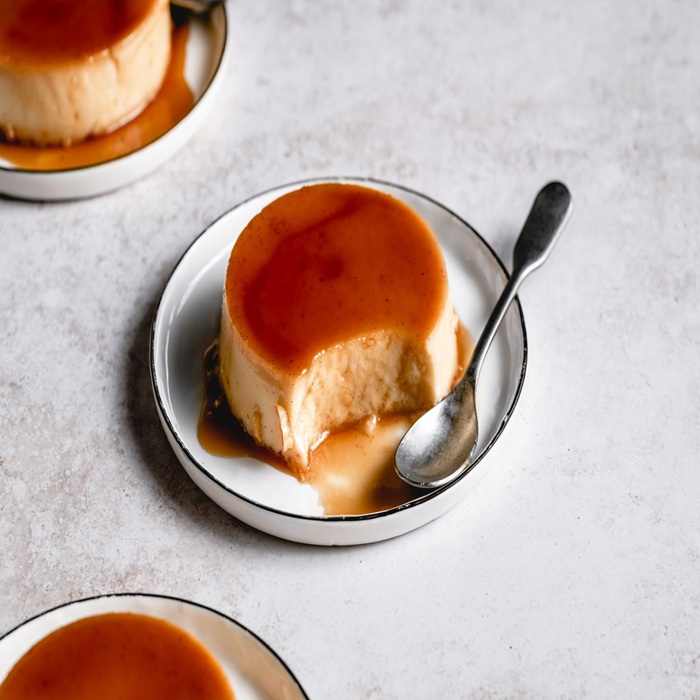
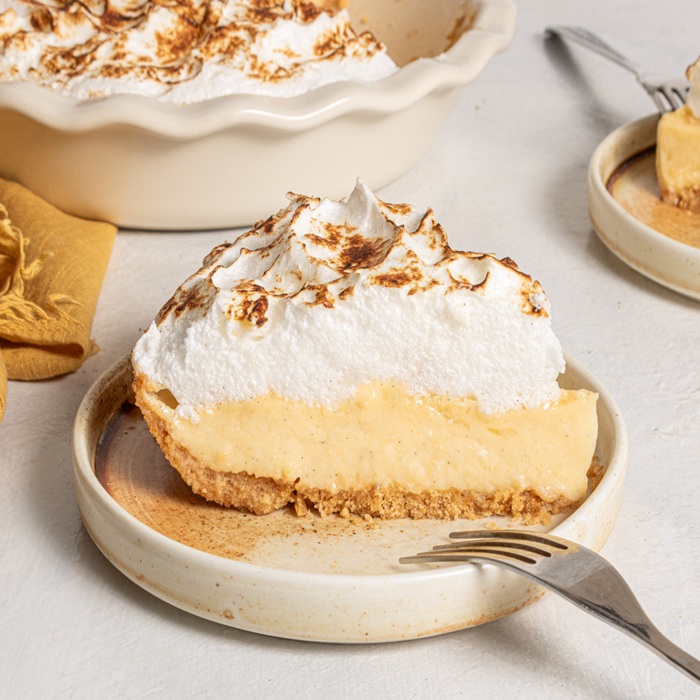
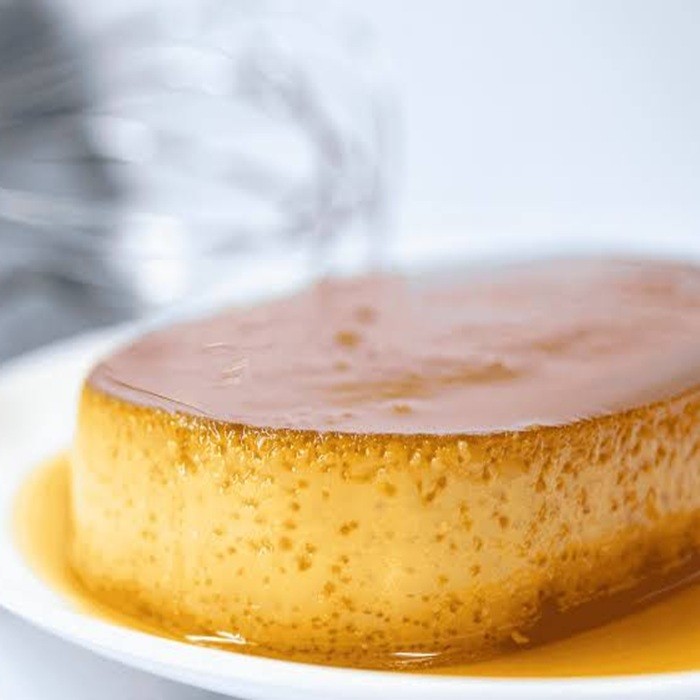
Crème anglaise, pastry cream, lemon curd, soufflé, mousse — all rely on careful egg cookery. Eggs coagulate gently between 160 °F and 180 °F; above that they curdle. A tempered, slow-cooked custard is one of the most useful skills in dessert.
Pantry staples
What to keep on hand.
All-purpose flour, cake flour, granulated sugar, brown sugar, powdered sugar, unsalted butter, eggs, whole milk, heavy cream, baking powder, baking soda, fine sea salt, vanilla extract, cocoa powder, dark and milk chocolate, almond flour, gelatine sheets, fruit (in season).
You don't need everything at once. Build the pantry as recipes call for it; most of these are shelf-stable and useful across many dishes.
Core techniques
A few moves to learn well.
- Weighing ingredients in grams rather than measuring by volume
- Bringing eggs and dairy to room temperature before incorporating
- Tempering custards by streaming hot dairy into yolks while whisking
- Lining cake tins with parchment, even when greased — releases without trauma