
Category guide
Side dish
recipes.
Sides are the unsung half of cooking — the vegetable, the grain, the salad, the small thing that carries texture and acid and brightness next to the main. A roast chicken with a tired vegetable next to it is a tired dinner; the same chicken with a properly dressed salad, a good pilaf, or a crisp roasted vegetable is a complete meal. Sides also do the double duty of using up what's in season and rounding out a plate's nutrition without anyone calling it 'healthy eating'. Treat them like first-class dishes — season aggressively, dress with care, and don't underestimate the leverage.
Editorial guide reviewed
Side recipes
84 dishes to cook from
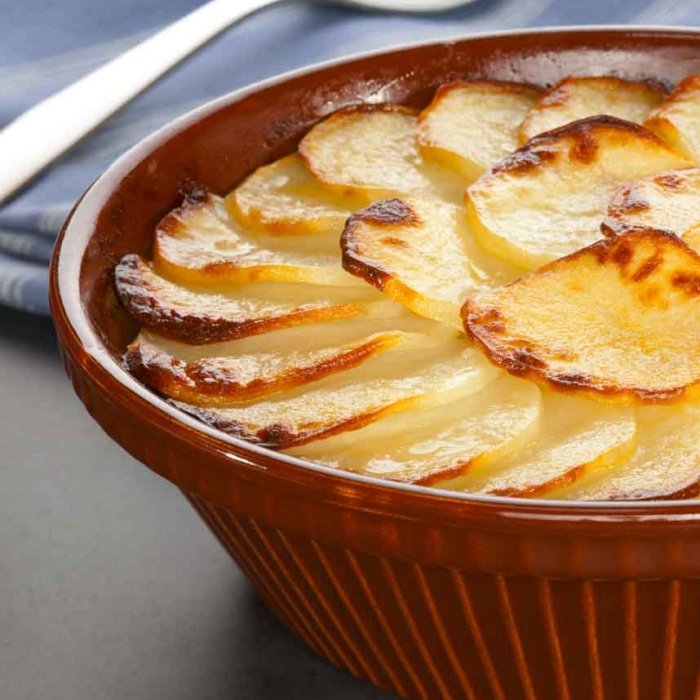
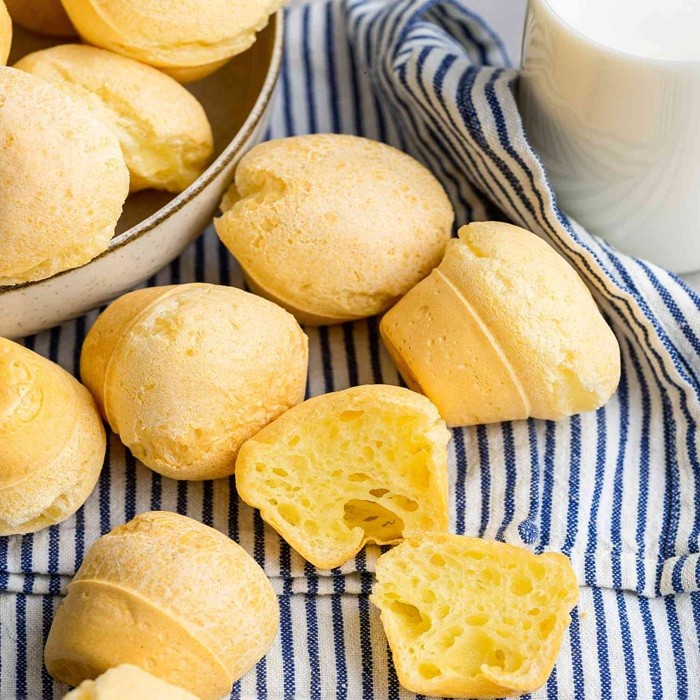
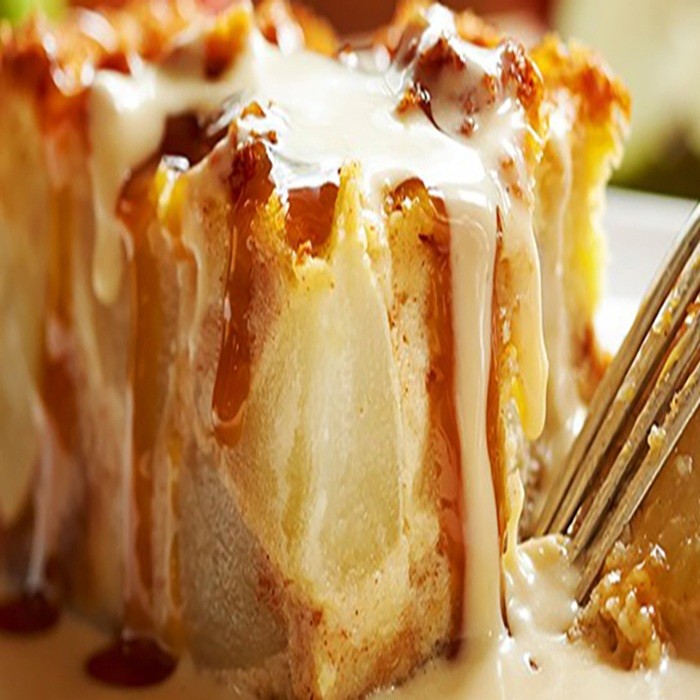
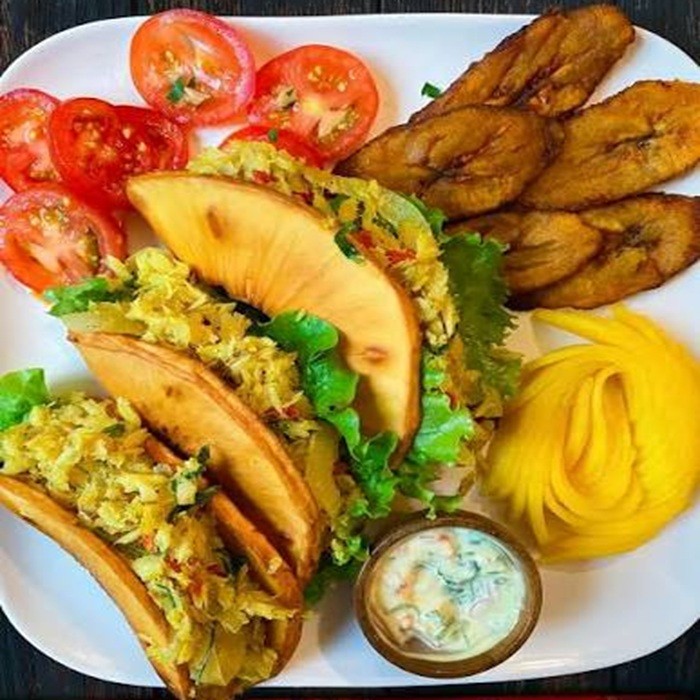

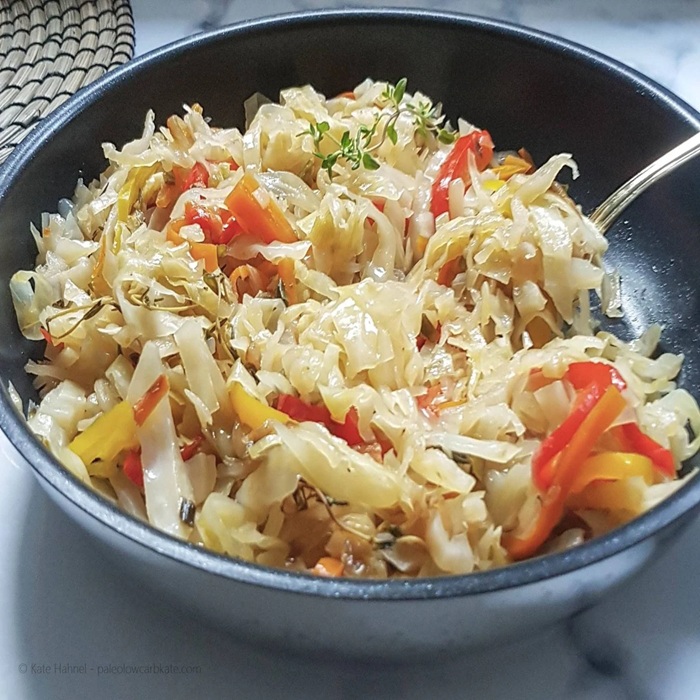
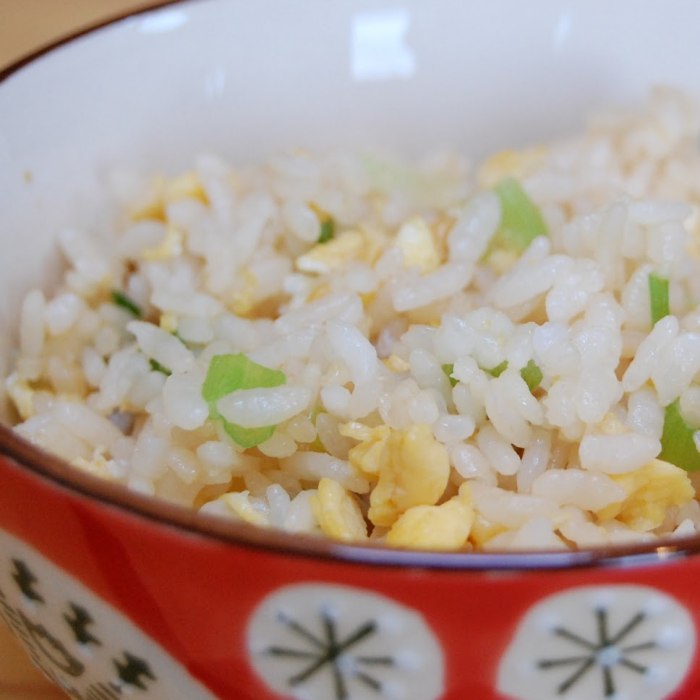
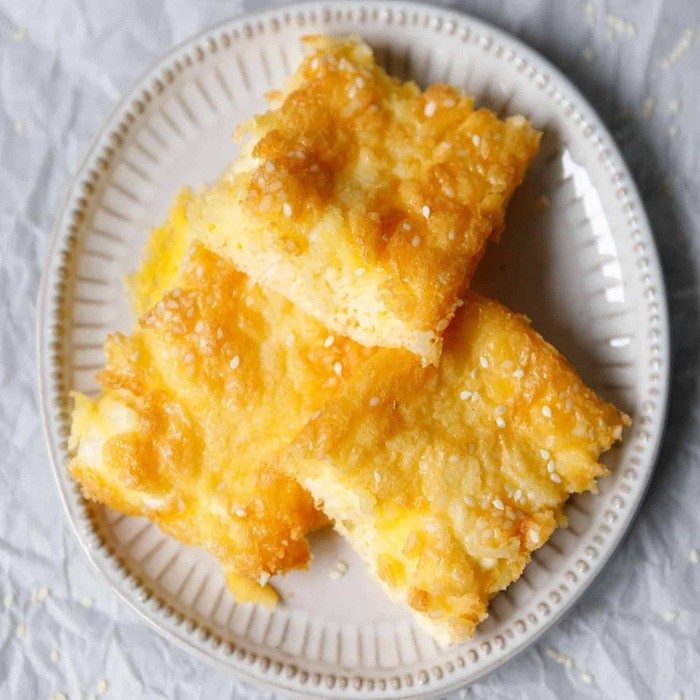
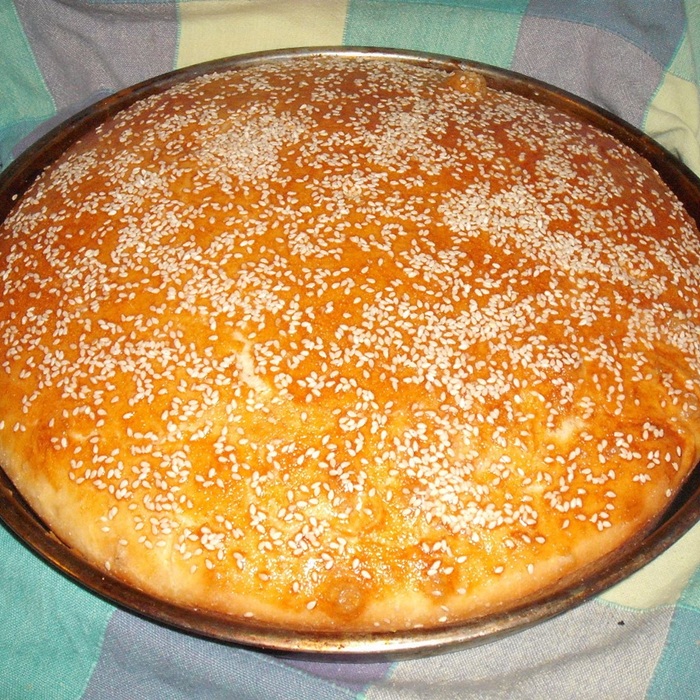


How to cook in this category
Three pillars to anchor what you cook.
Roasted, grilled, and charred vegetables
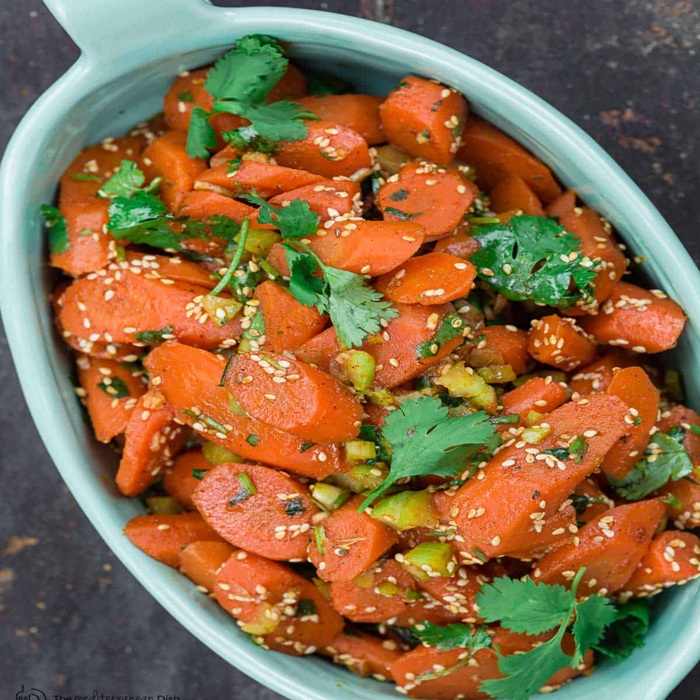
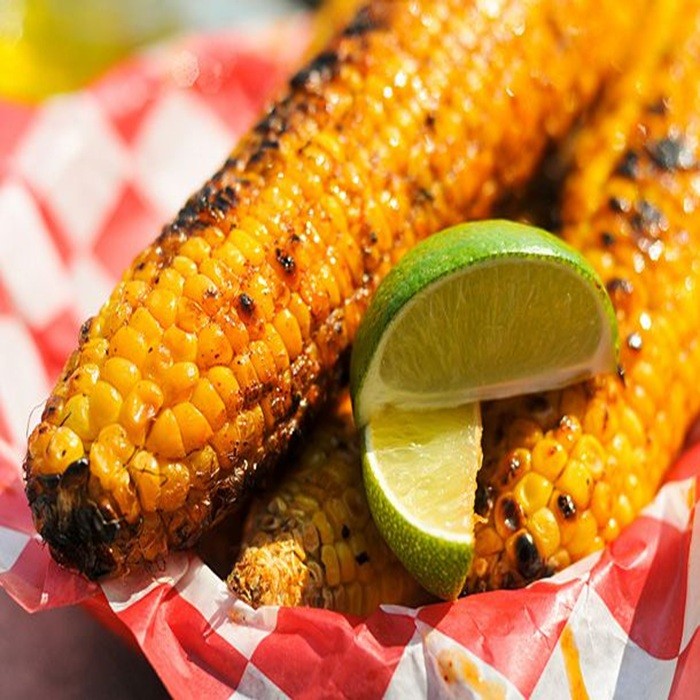
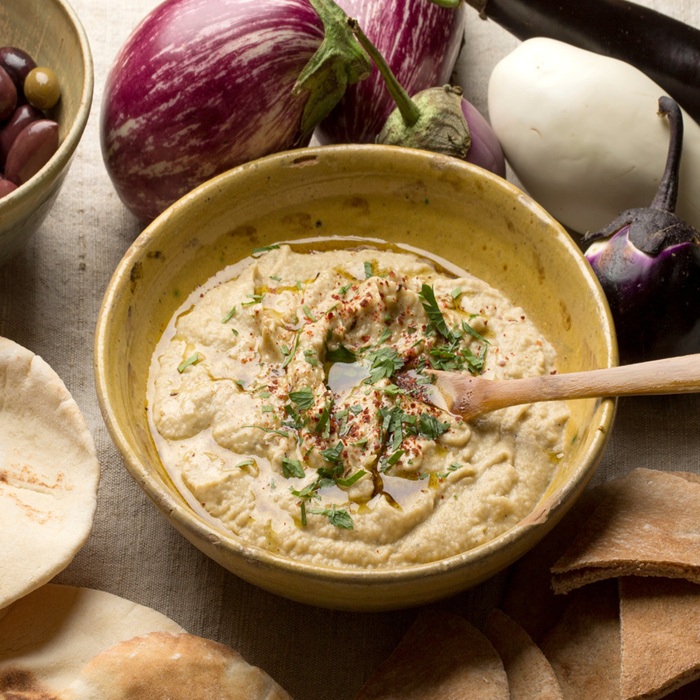
Roasted carrots, charred broccoli, crispy Brussels sprouts, blistered green beans, smoky eggplant. The technique is consistent: high heat (425–450 °F), single layer on the tray, generous oil, season aggressively with salt, finish with acid and herbs. Don't crowd the tray; vegetables steam when crowded.
Grain pilafs and starches
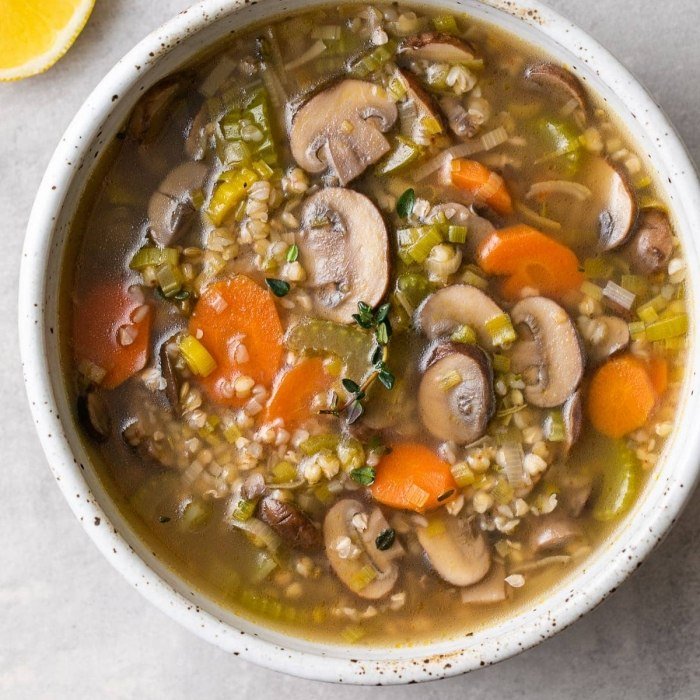
Rice pilafs (with onion + butter + stock), couscous (steamed properly, not boiled), polenta (slow + butter + parmesan), risotto (a course unto itself), bulgur, quinoa, farro. The grain becomes the foundation; the seasoning is the discipline.
Salads, slaws, and the cold sides
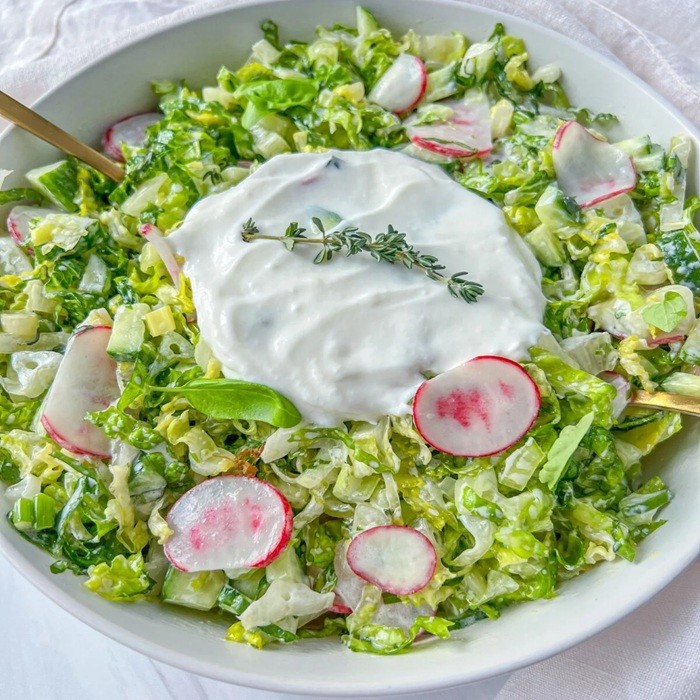
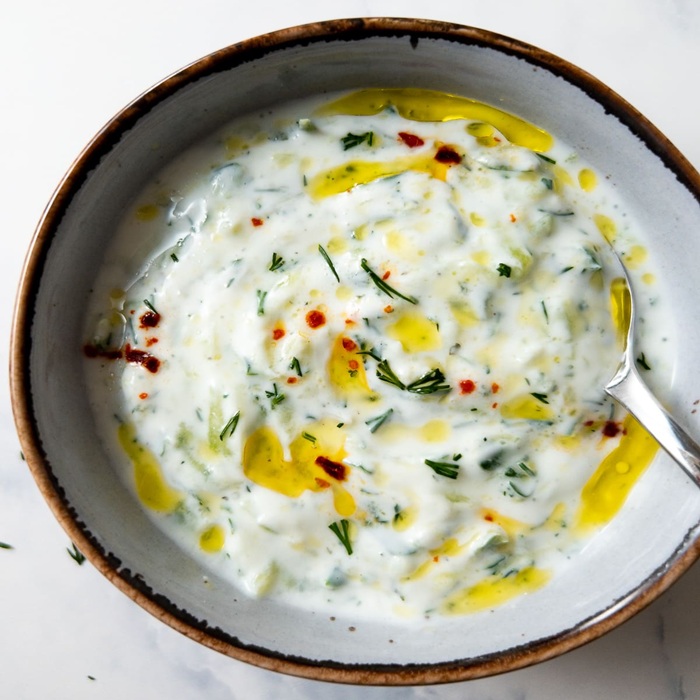
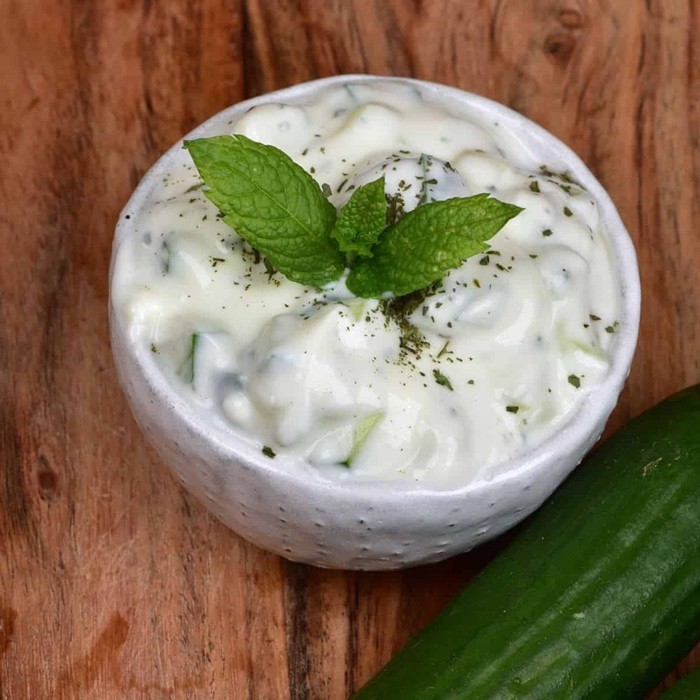
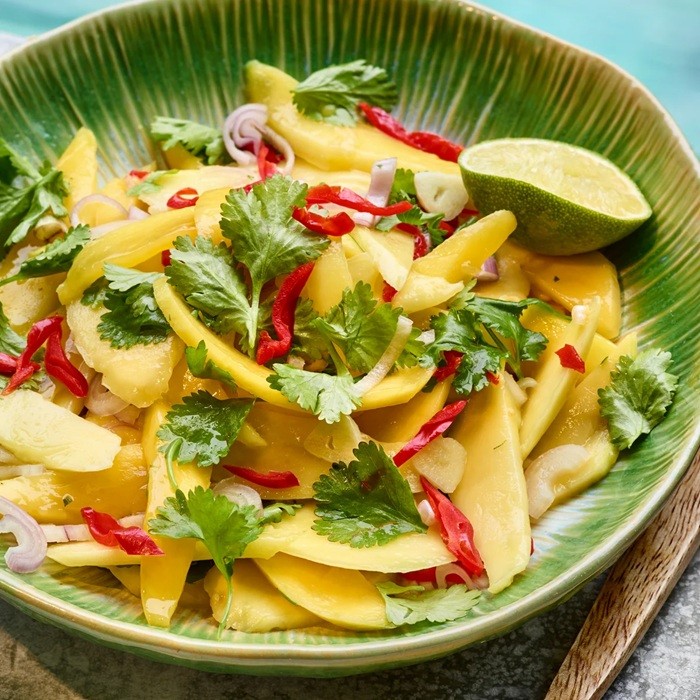
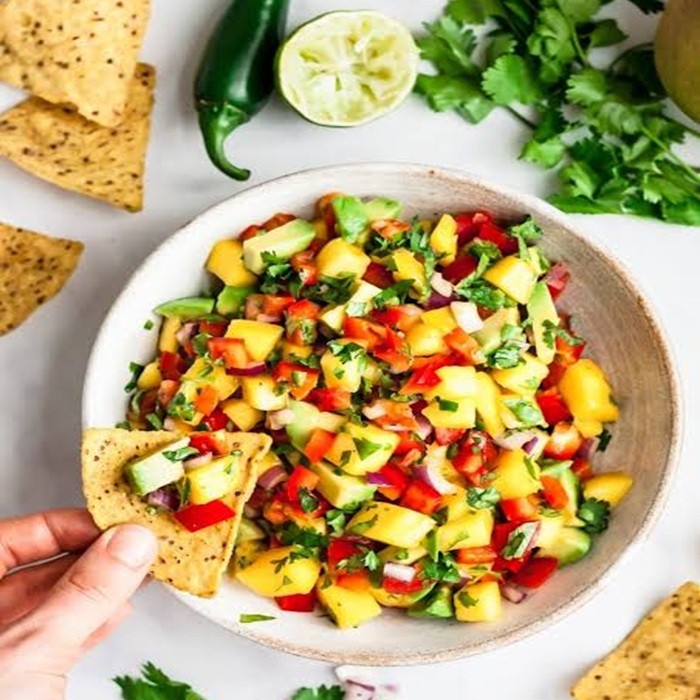
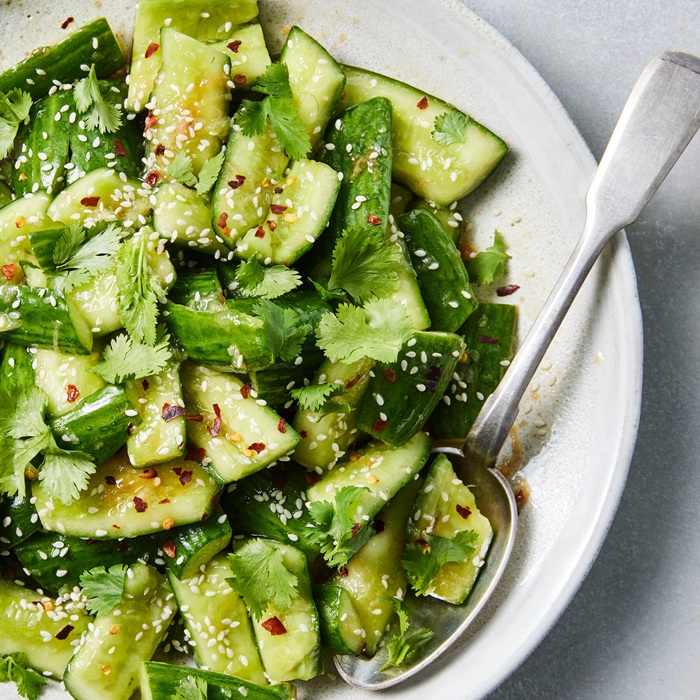
Caesar, panzanella, fattoush, niçoise, coleslaw, Greek salad, tabbouleh, cucumber-yoghurt. A good salad has texture contrast, acid balance (a 3:1 oil-to-vinegar ratio is a starting point), salt at the dressing stage, and is finished just before serving — never sat in dressing for hours.
Pantry staples
What to keep on hand.
Extra-virgin olive oil, neutral oil, kosher salt, lemons and limes, white wine vinegar, sherry vinegar, balsamic, Dijon mustard, garlic, shallots, fresh herbs (parsley, mint, dill, basil, cilantro), tahini, yoghurt, parmesan, feta, sesame seeds, almonds, walnuts, raisins.
You don't need everything at once. Build the pantry as recipes call for it; most of these are shelf-stable and useful across many dishes.
Core techniques
A few moves to learn well.
- Salting vegetables generously before roasting — extracts moisture, deepens flavour
- Resting grains covered, off-heat, after cooking — they finish steaming and fluff better
- Dressing salads at the moment of service, not before
- Toasting nuts and seeds in a dry pan until just fragrant — adds depth no other step provides